Triumph
Triumph
TR250
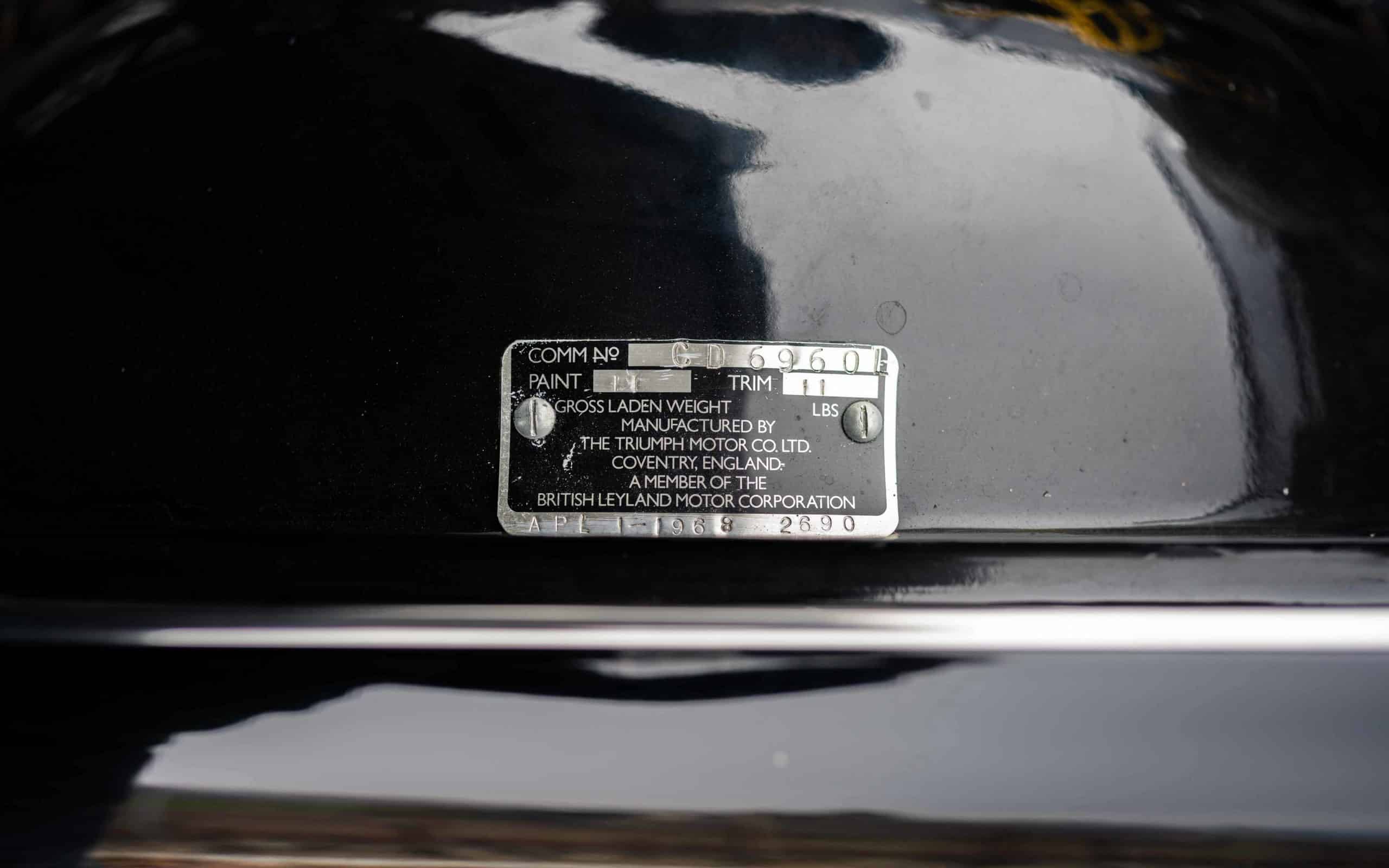
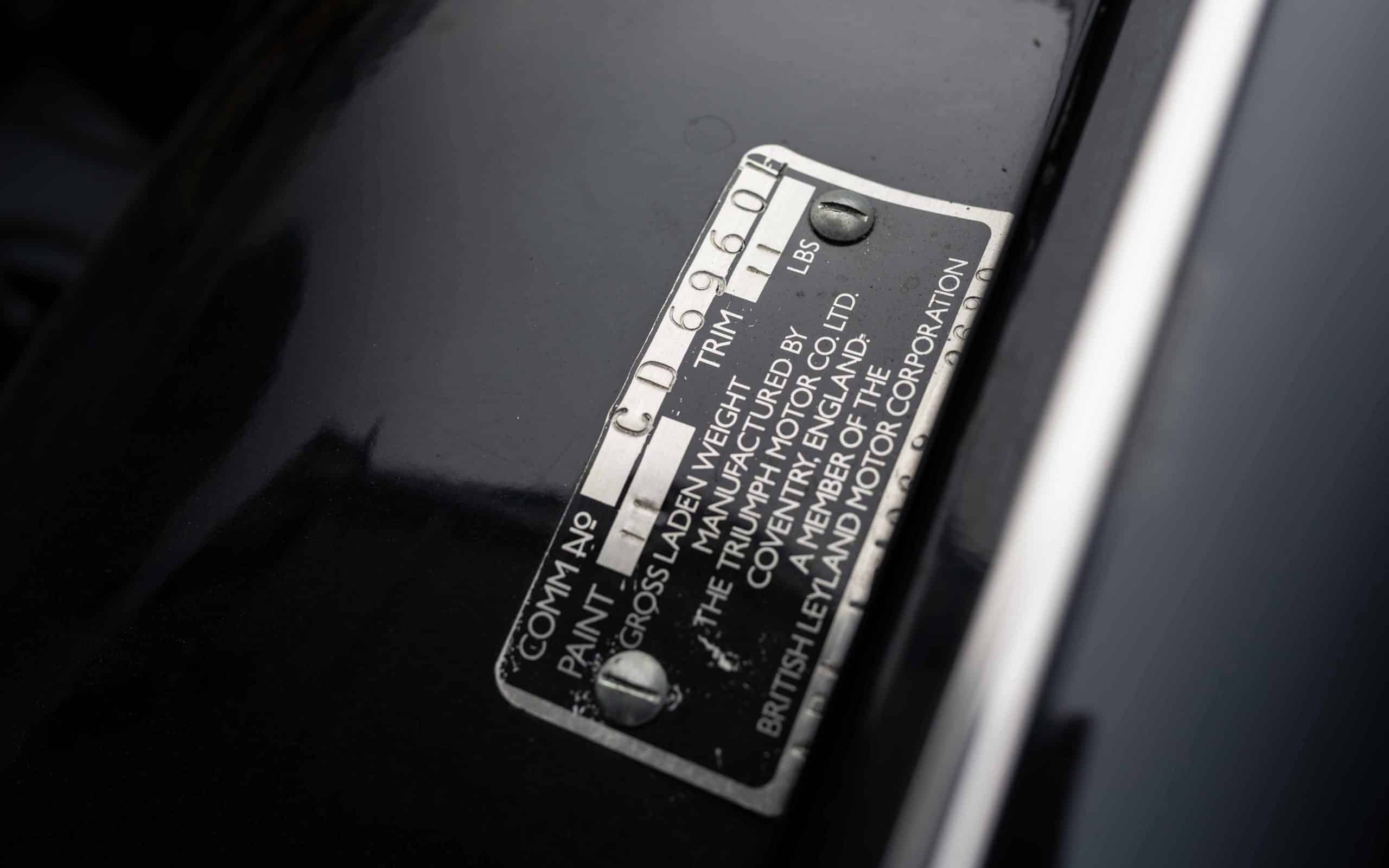
CD6960L
CD6960L
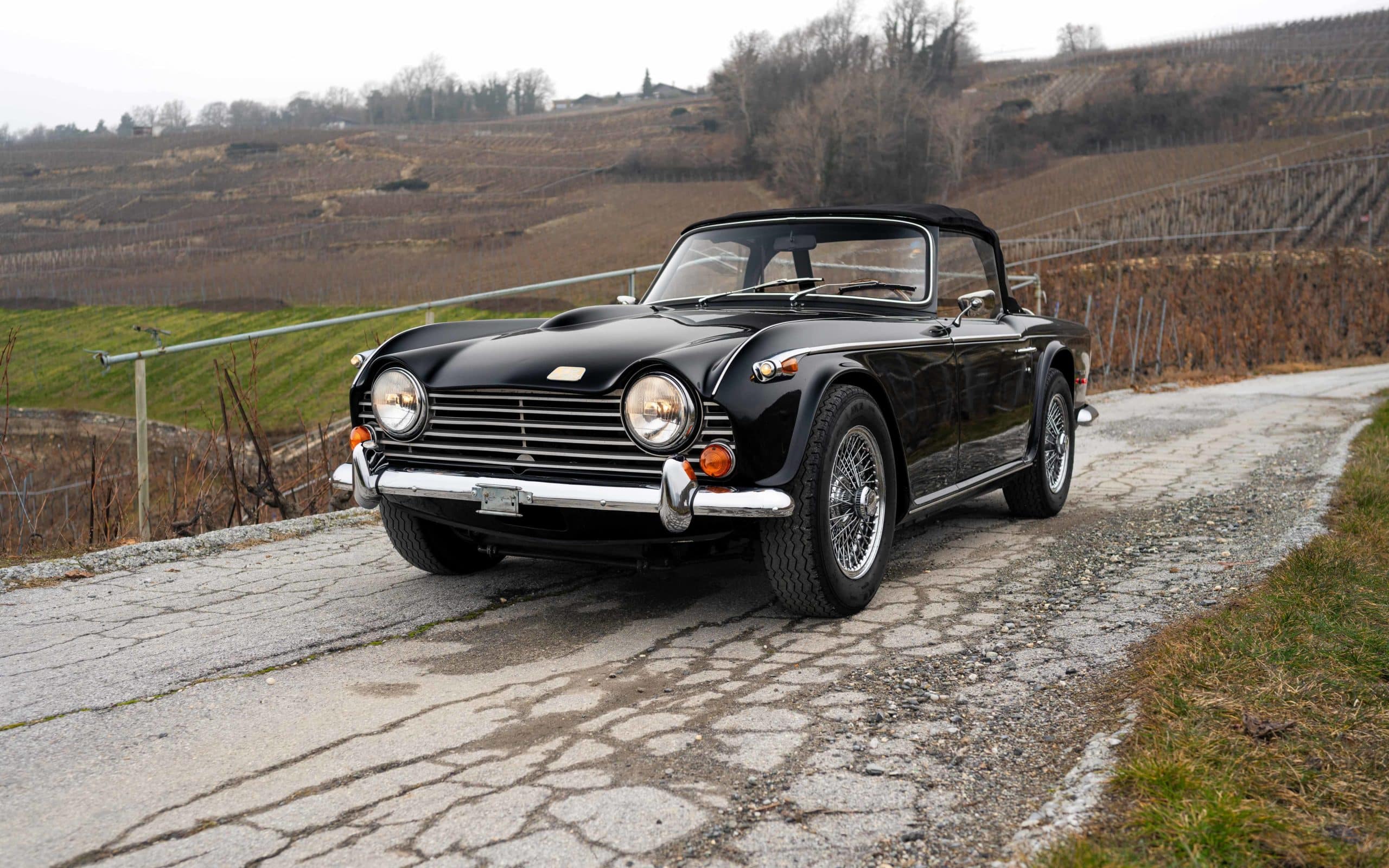
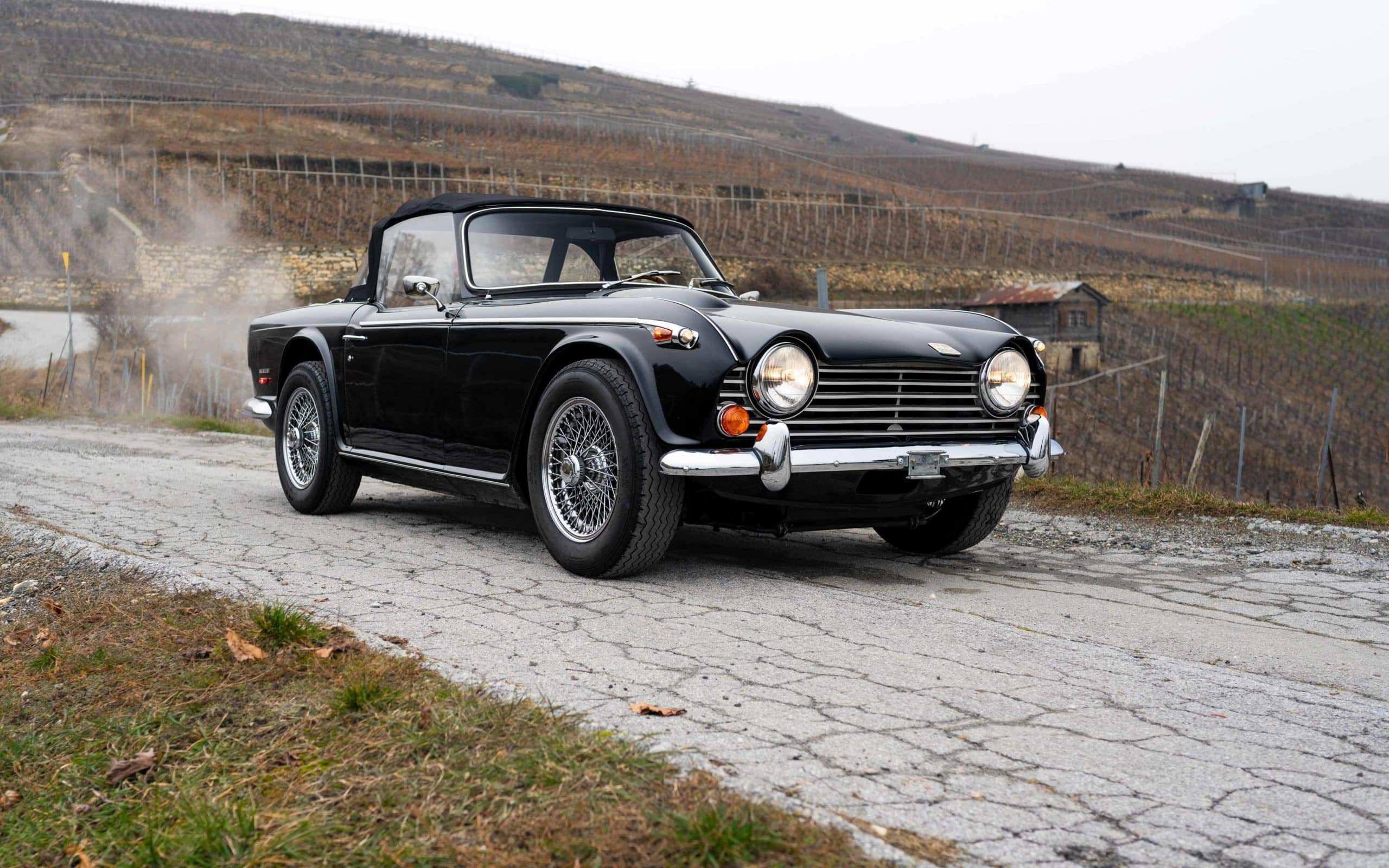
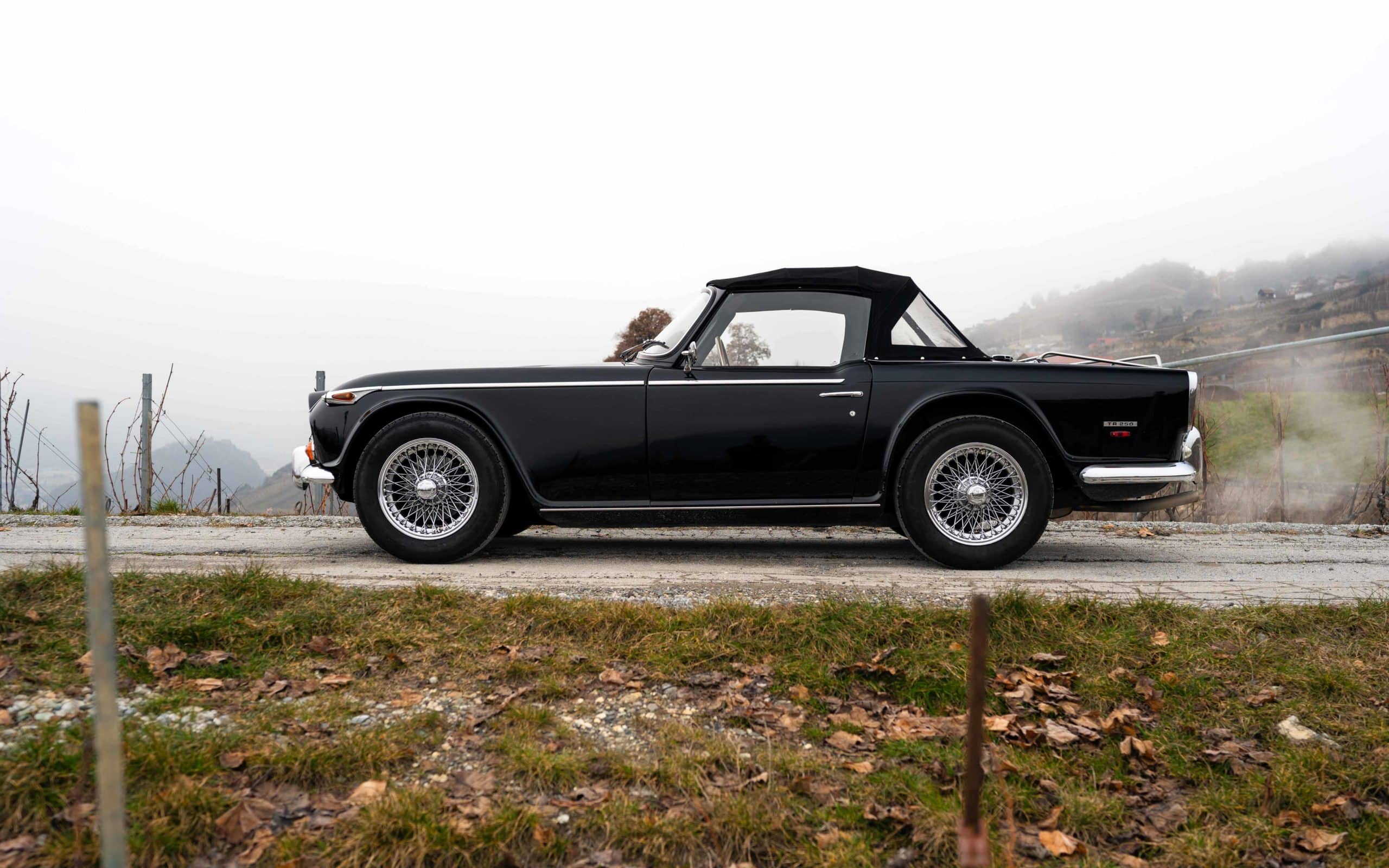
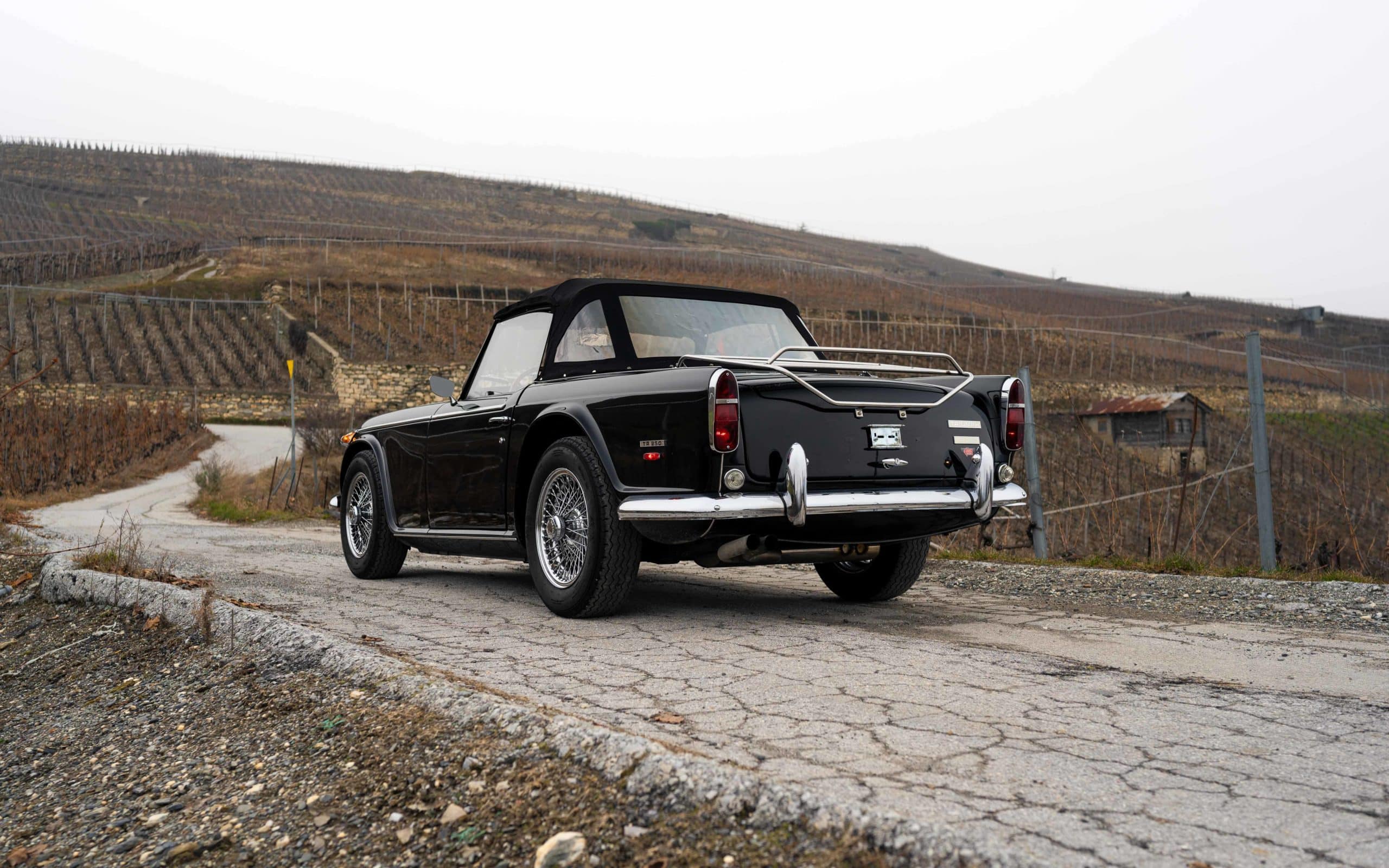
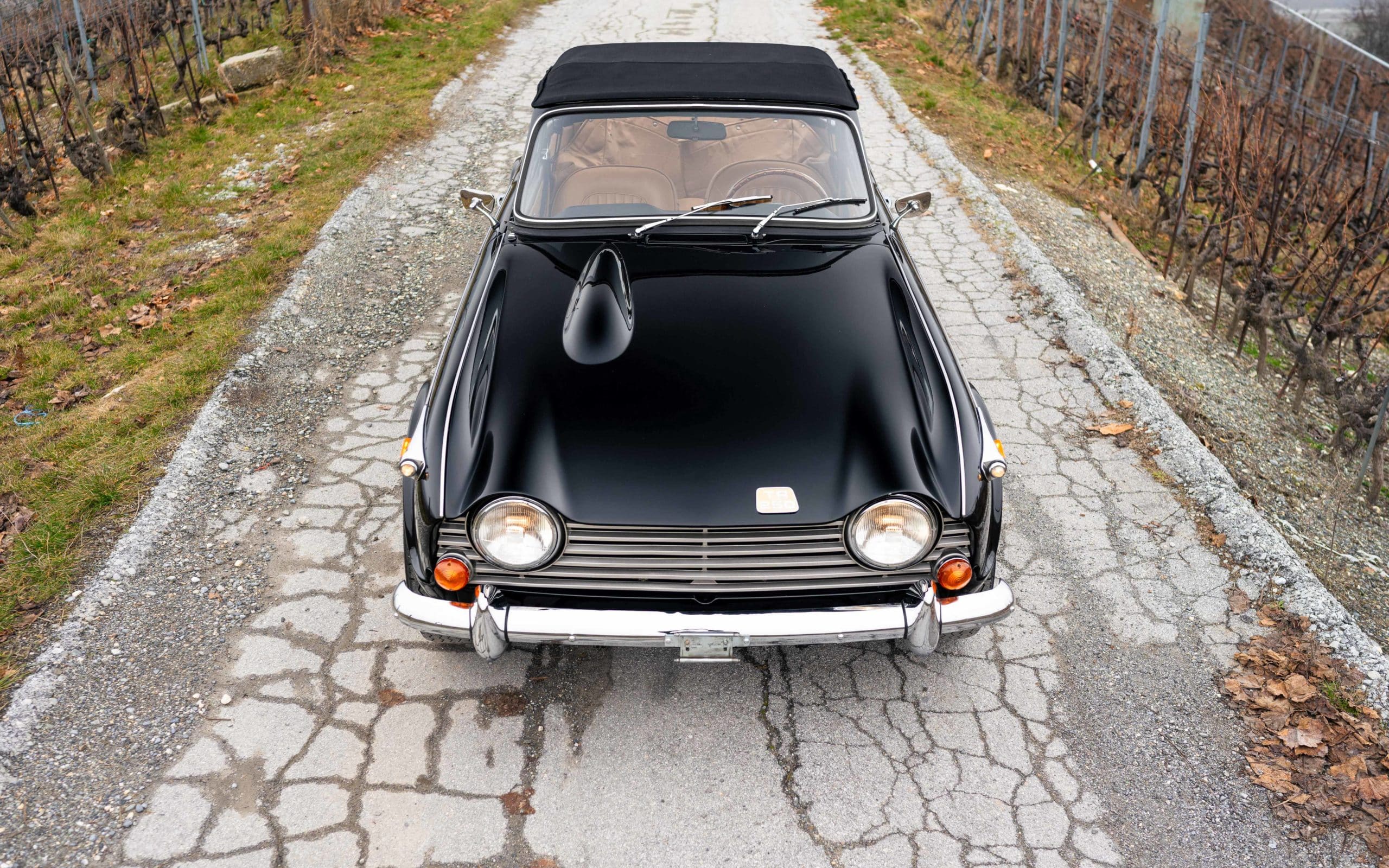
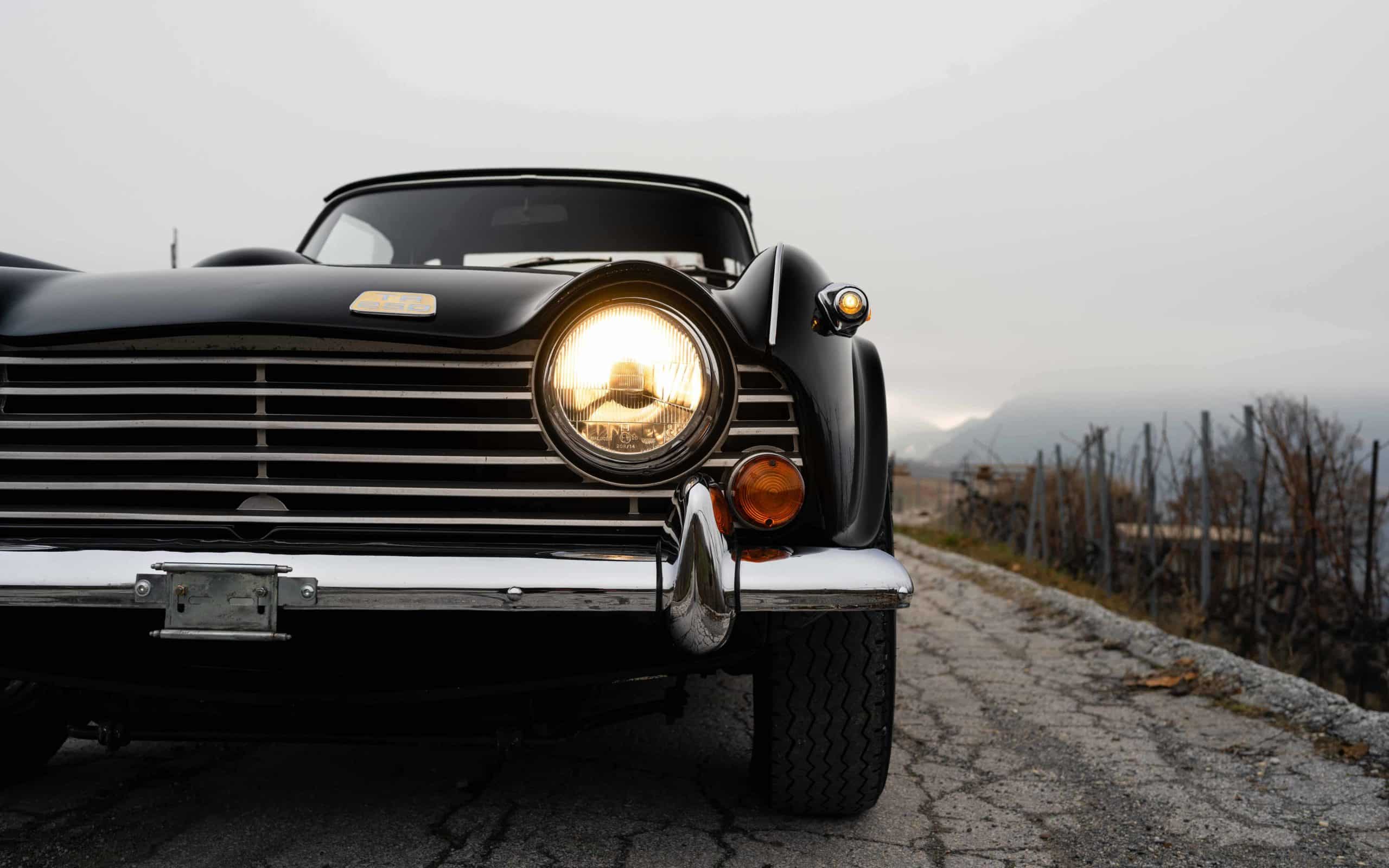
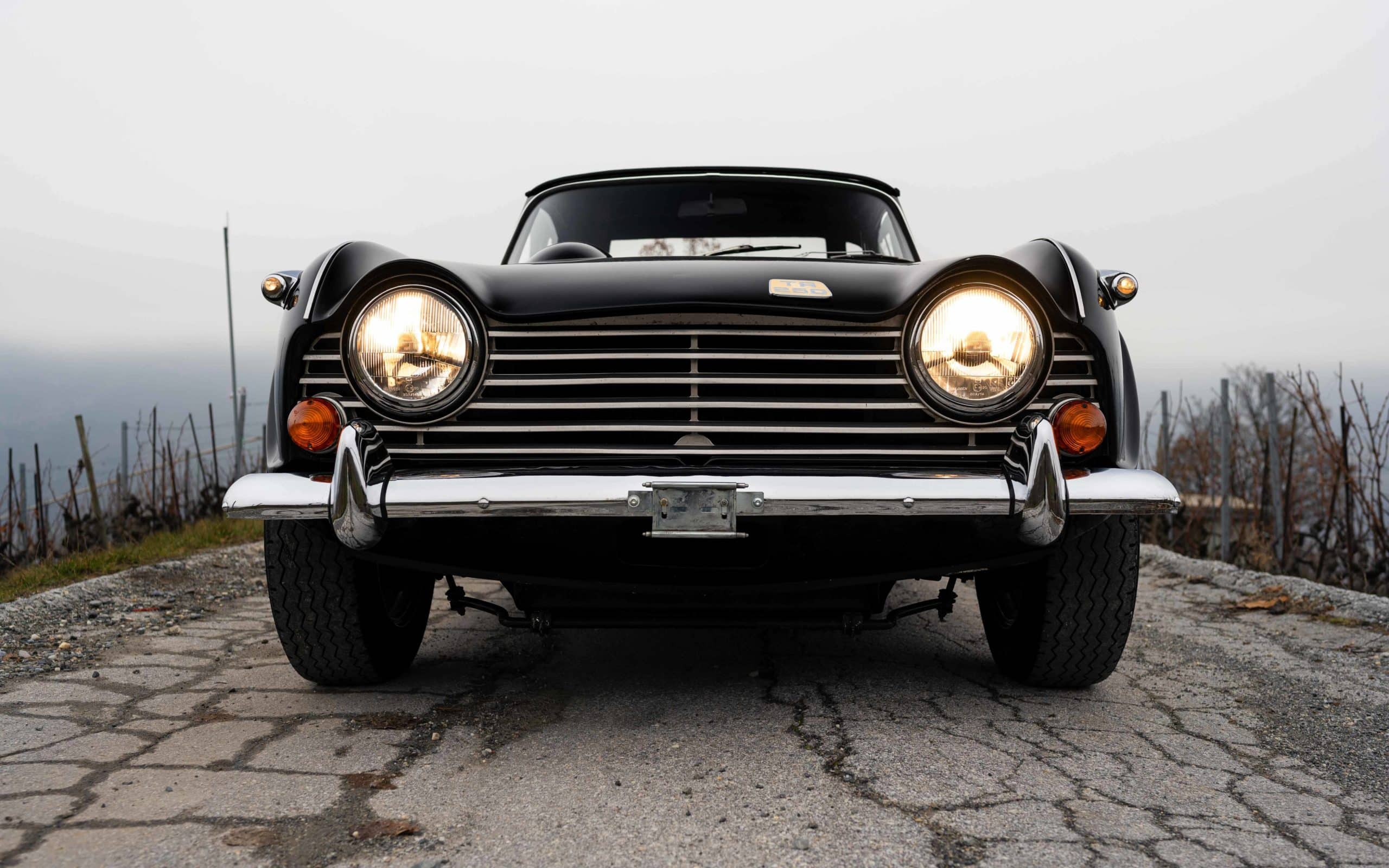
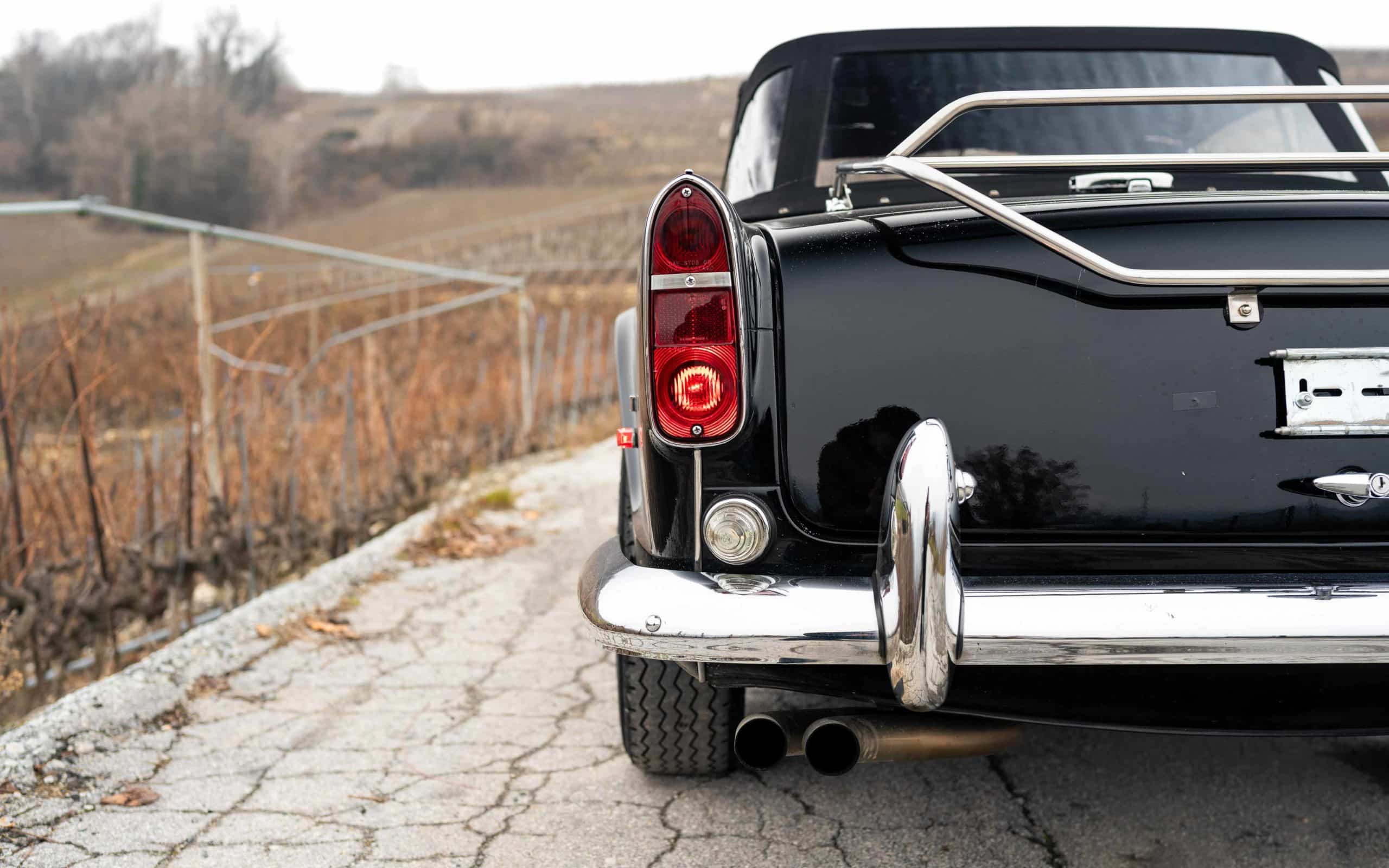
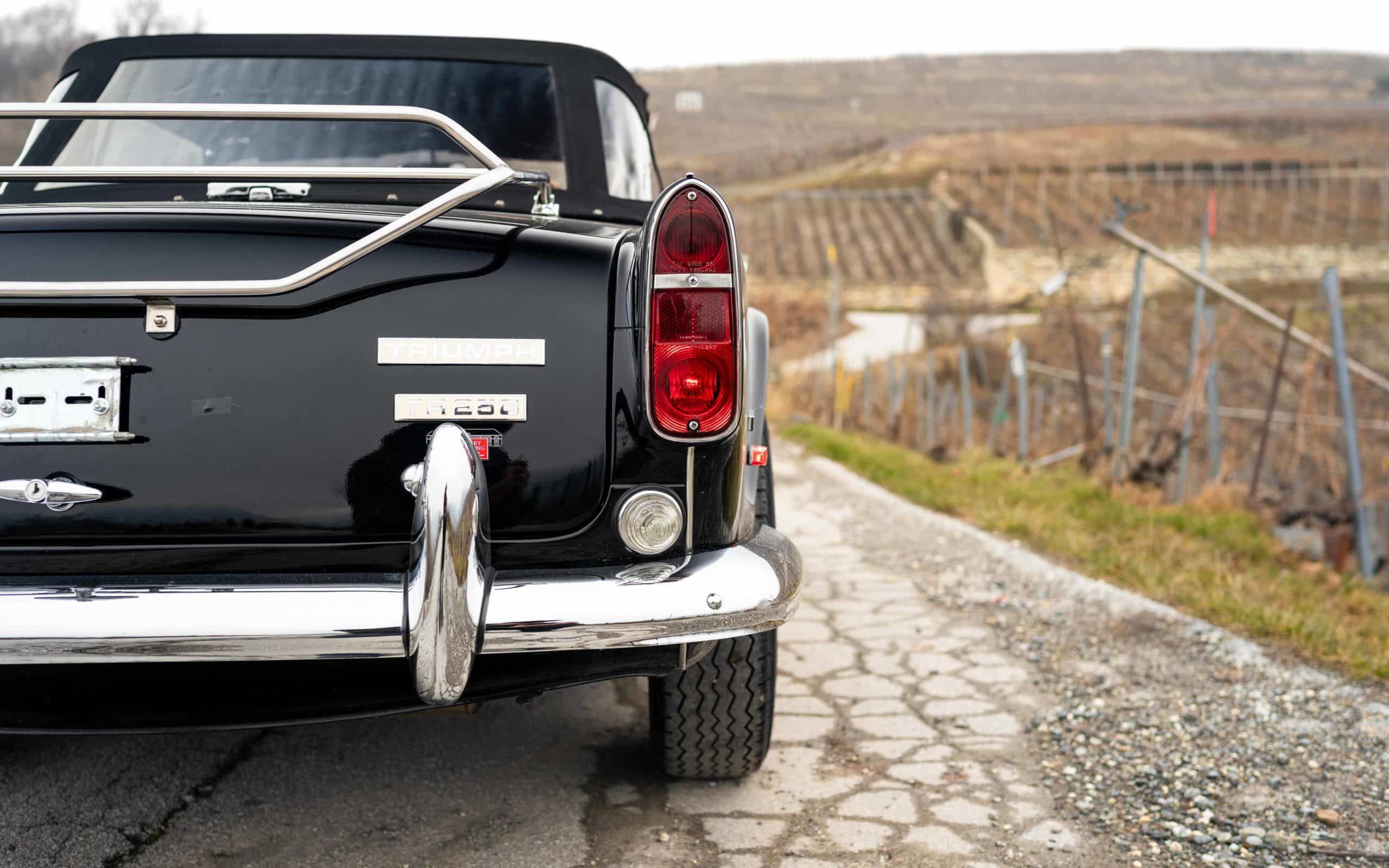
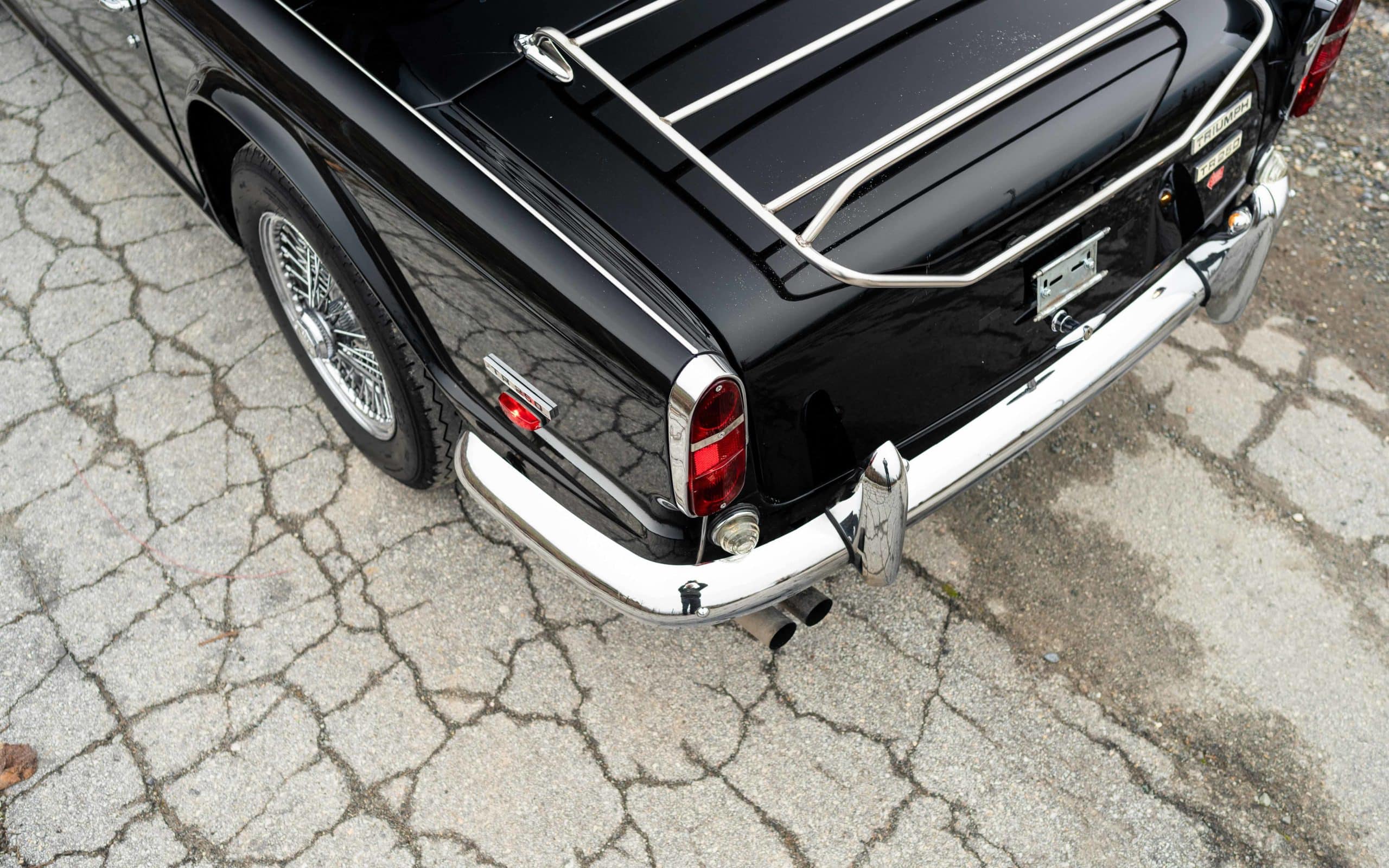
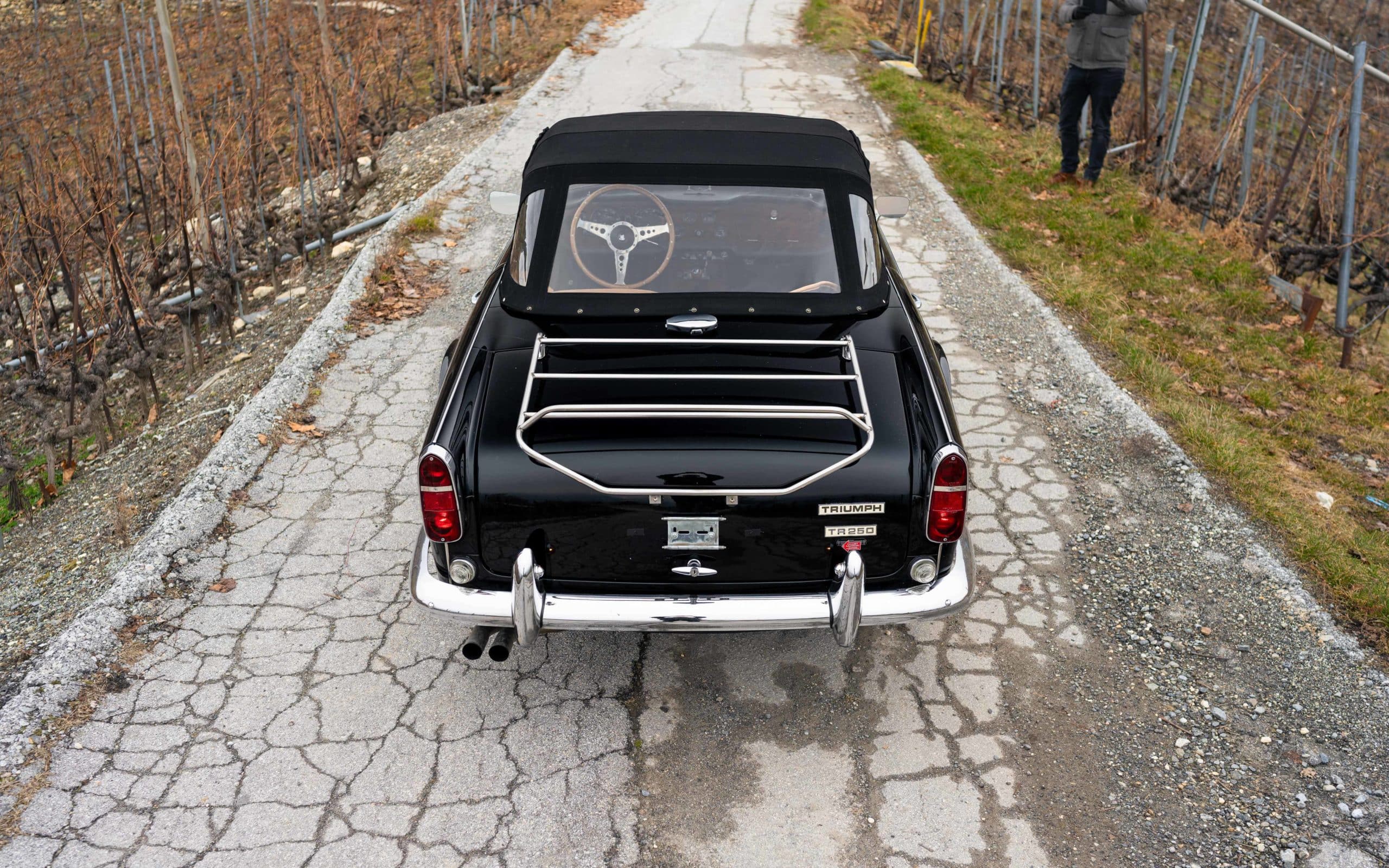
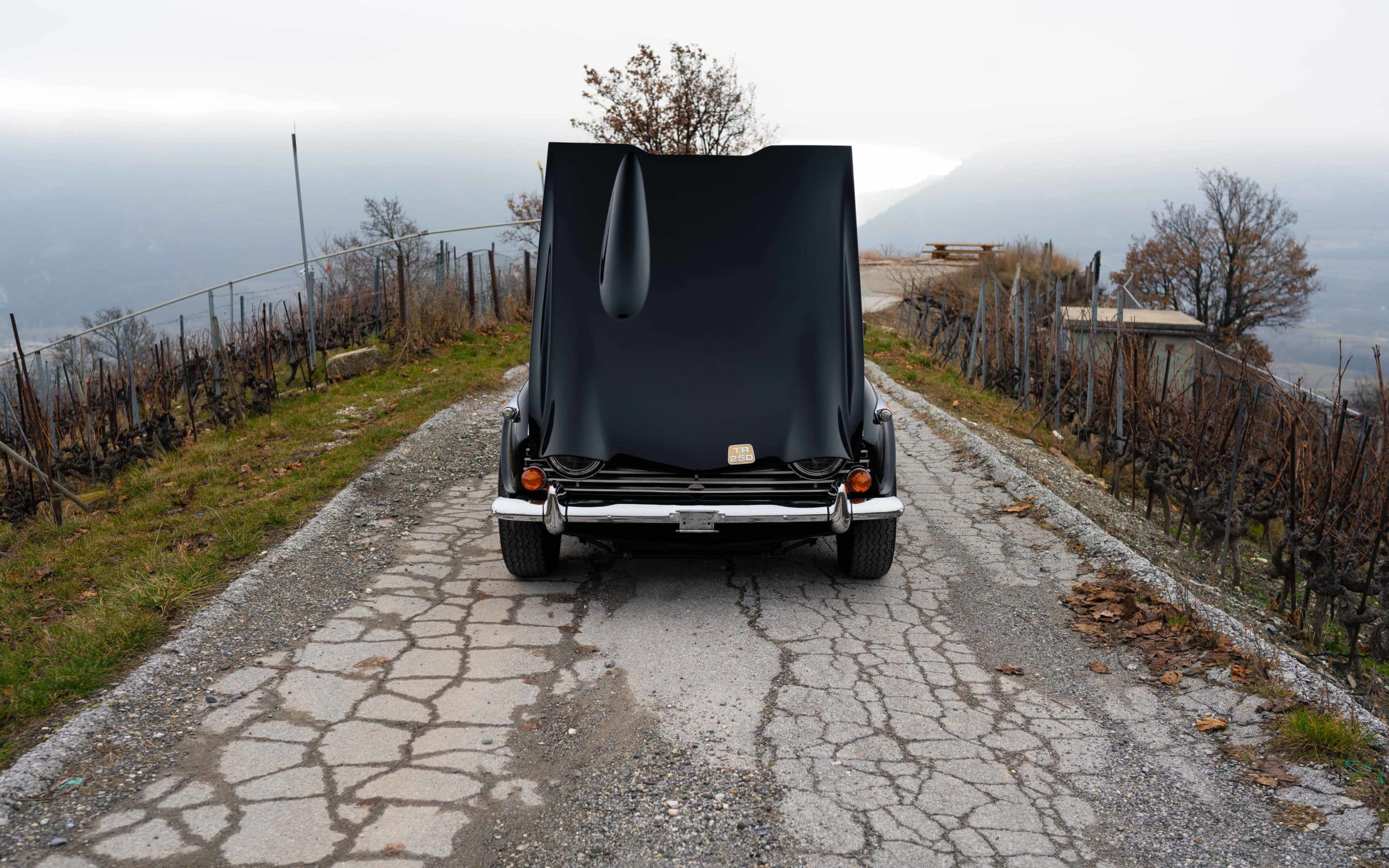
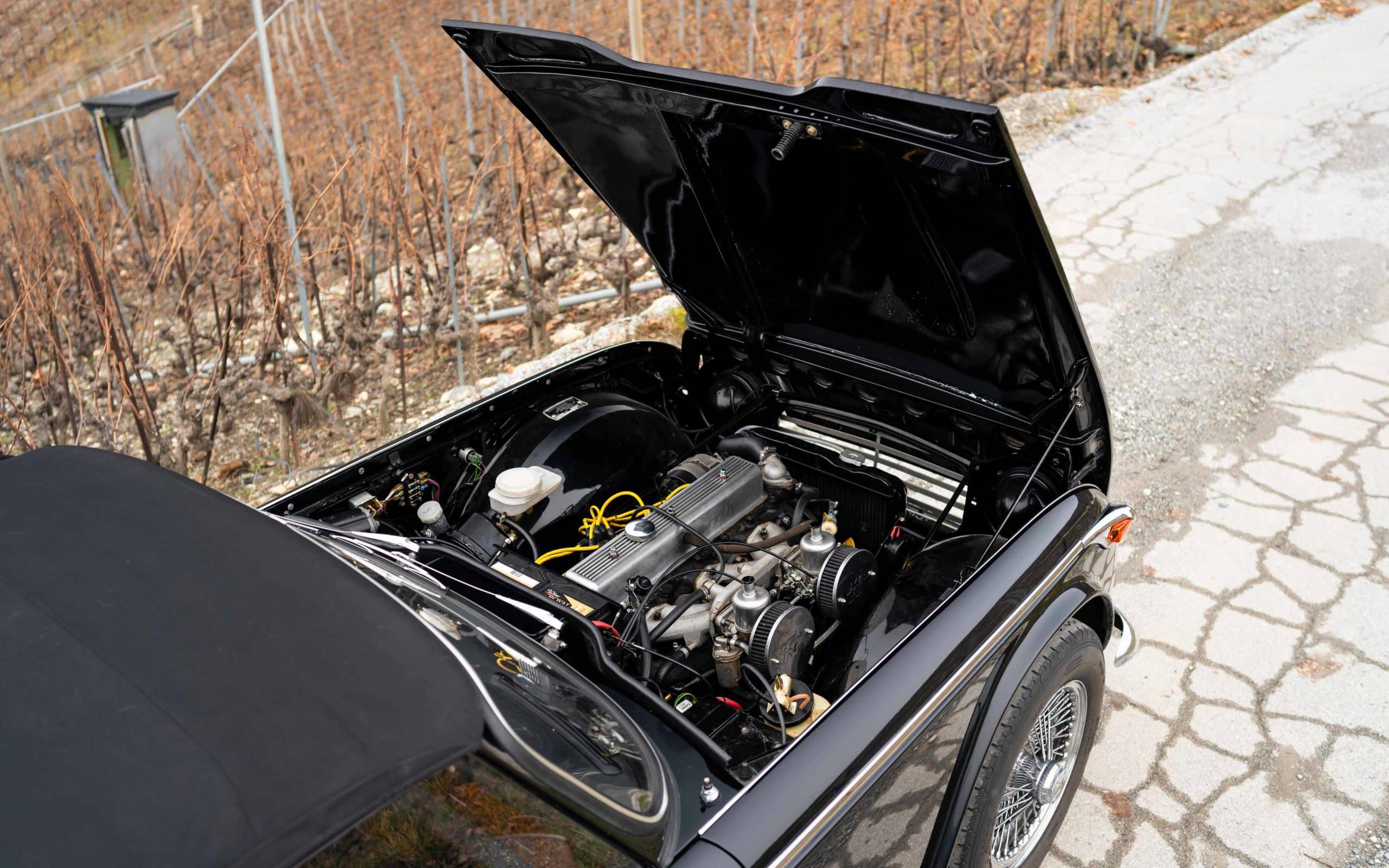
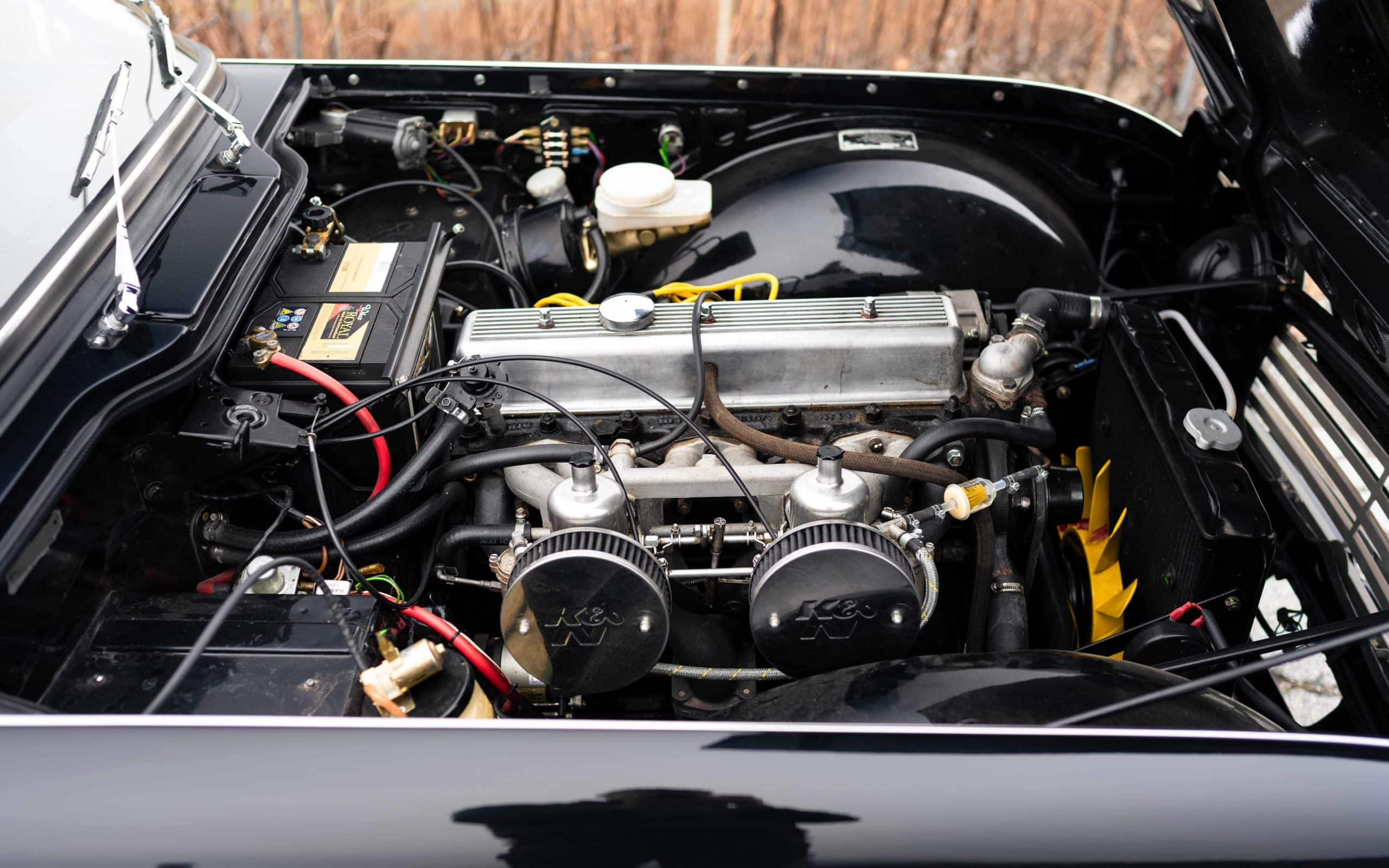
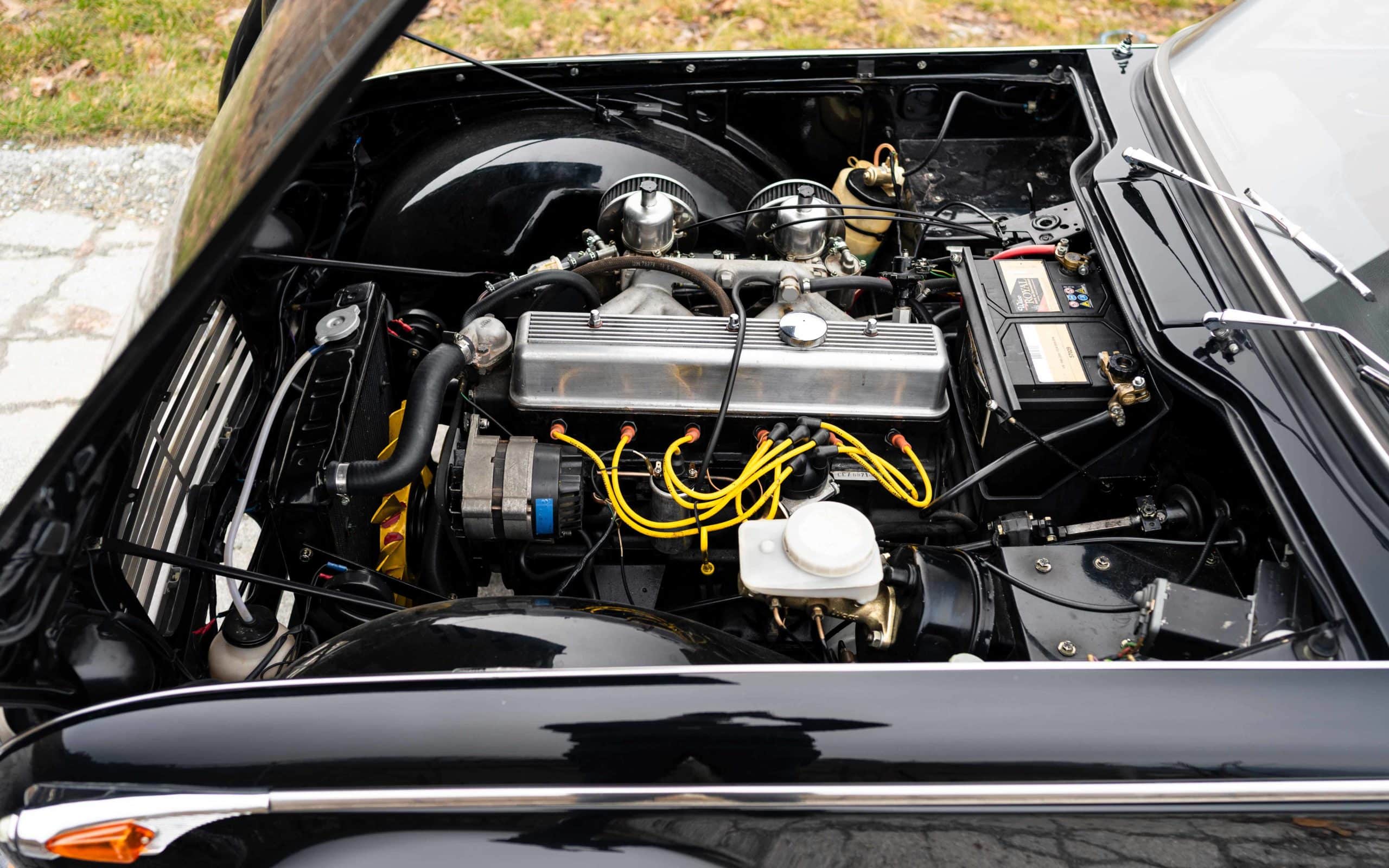
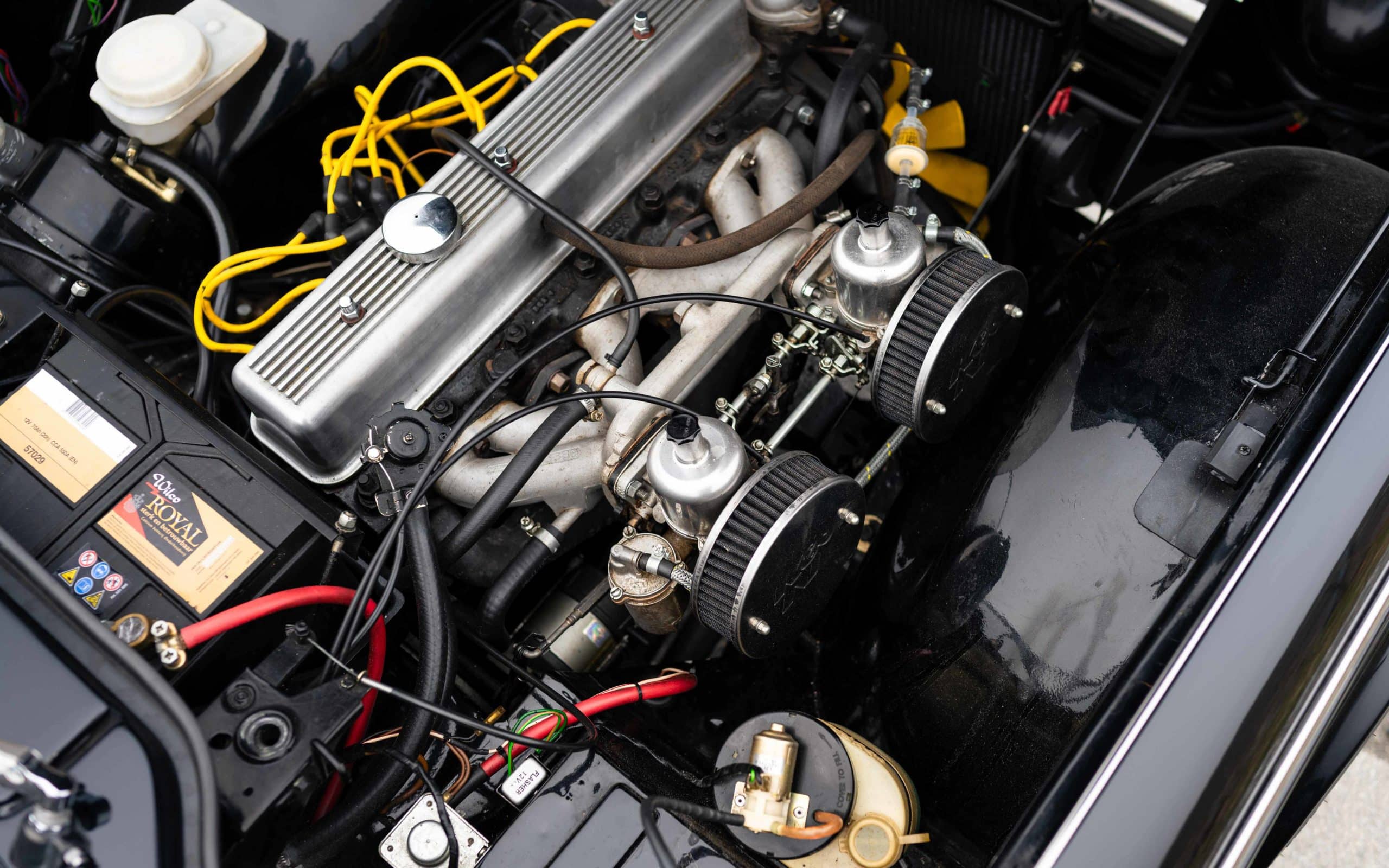
The Triumph TR250 sits in a very short chapter of the TR story. Built only between late 1967 and 1968, it was conceived as the North American twin of the TR5, sharing the same Michelotti body and new 2.5 litre straight six engine but tuned to satisfy tightening United States emission rules. Instead of Lucas mechanical fuel injection, the TR250 relies on a pair of Zenith Stromberg carburettors, which gives a little less power on paper but a more relaxed and easily serviced character in real life.
In period Triumph produced around eight and a half thousand TR250s, all officially destined for the American and Canadian markets. That limited run makes the model considerably rarer today than the later TR6 that replaced it, and even rarer in Europe where many examples have arrived only in recent decades as enthusiasts discovered how much car is hidden behind the slightly understated badge and stripe.
Design and engineering
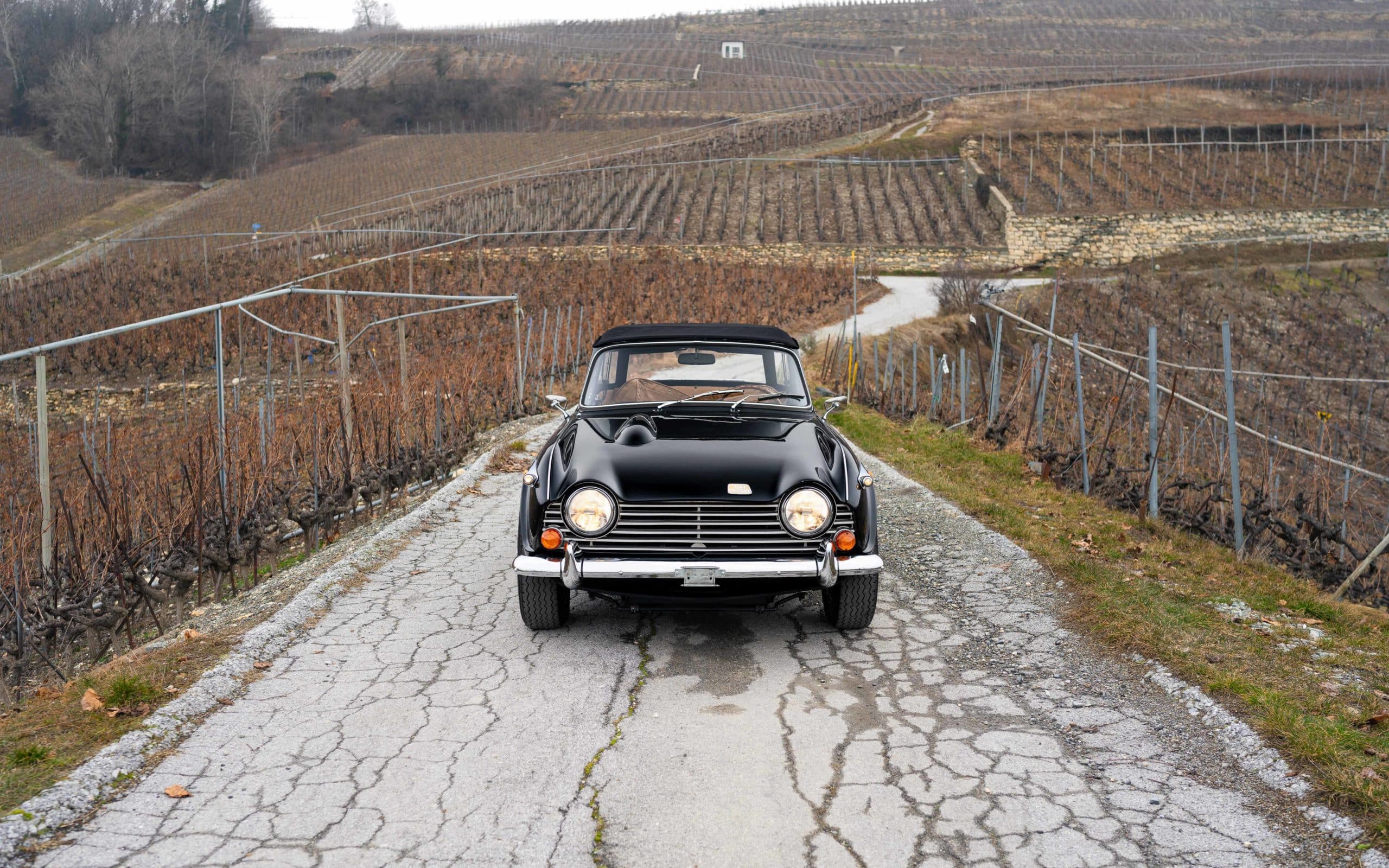
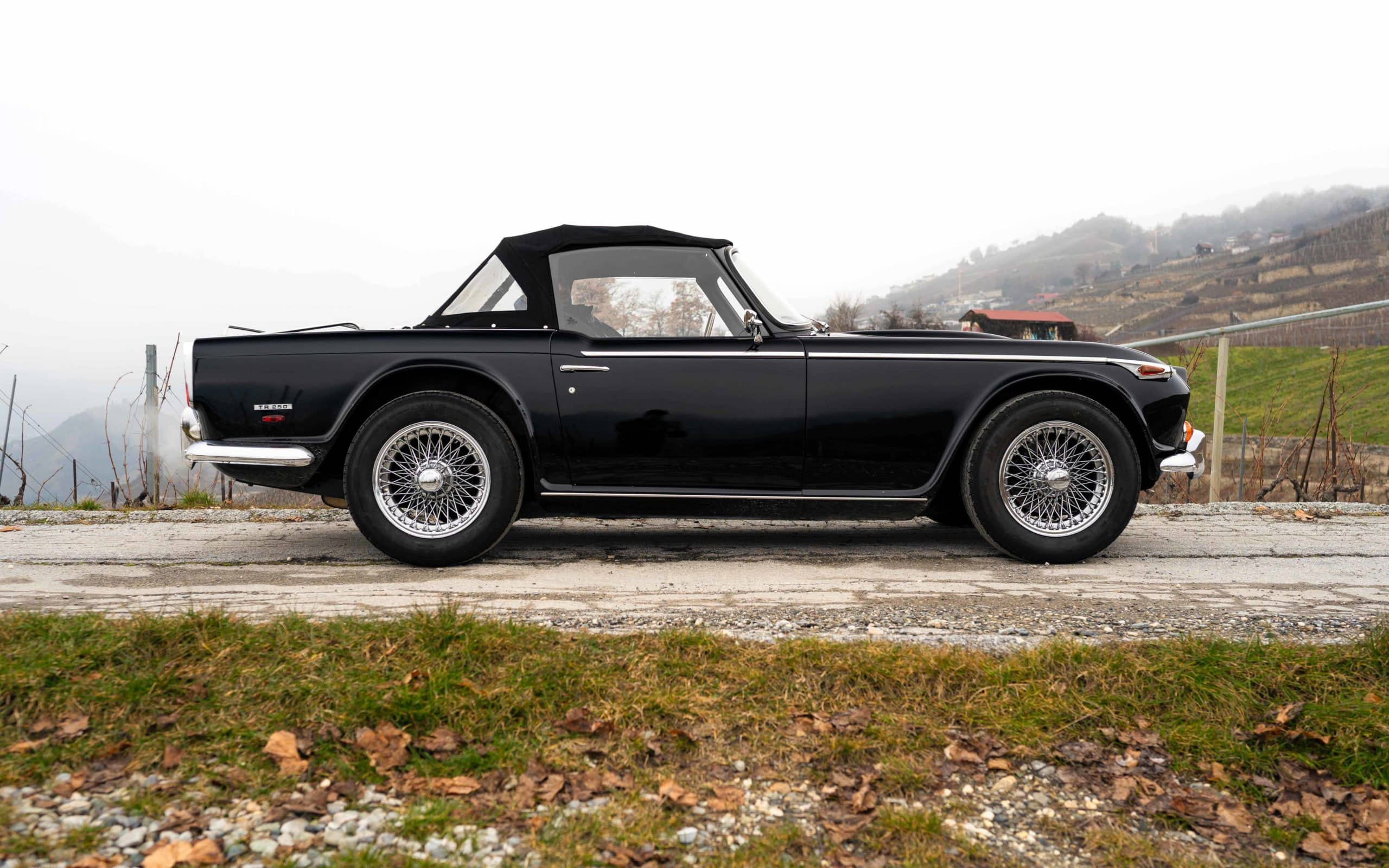
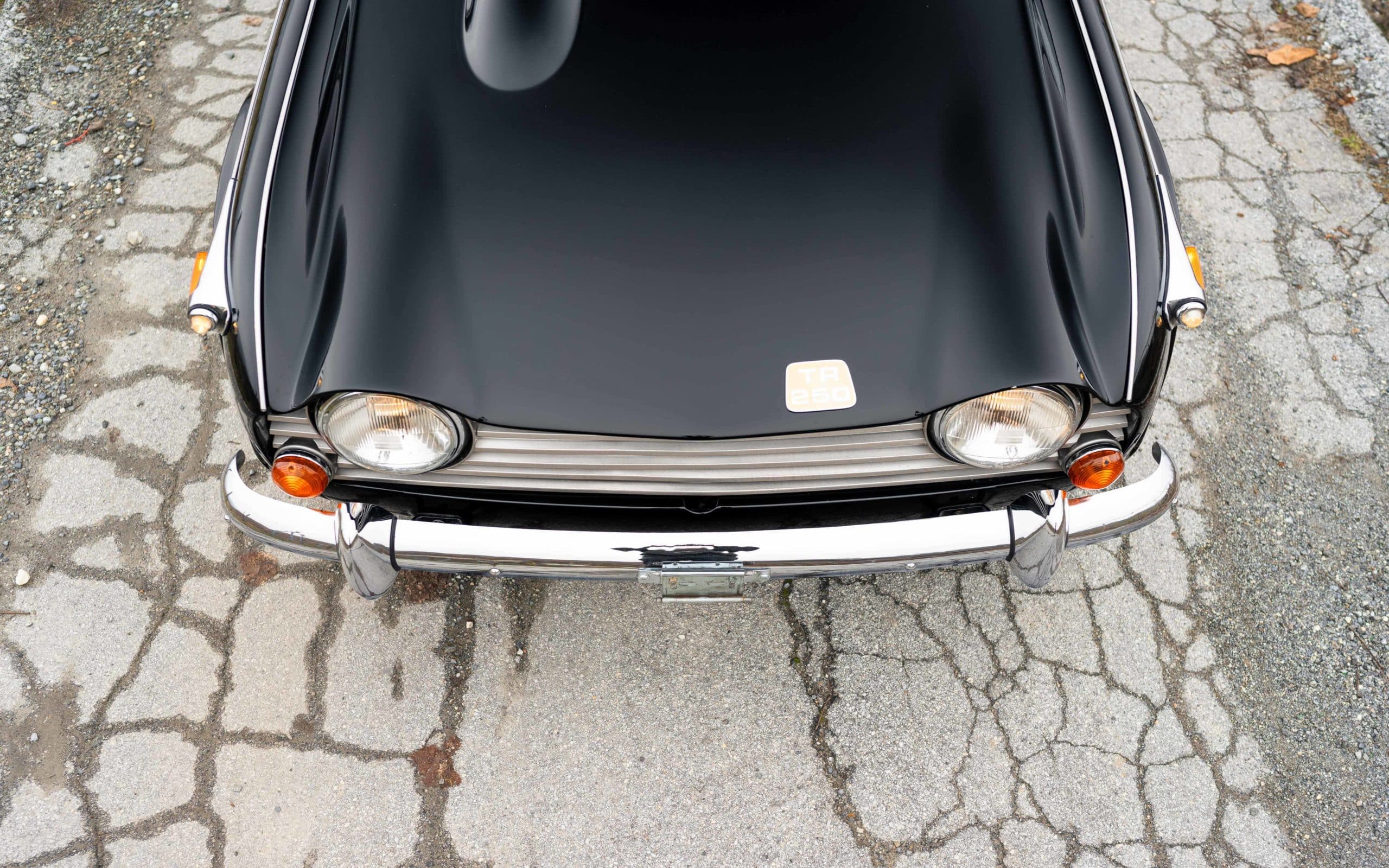
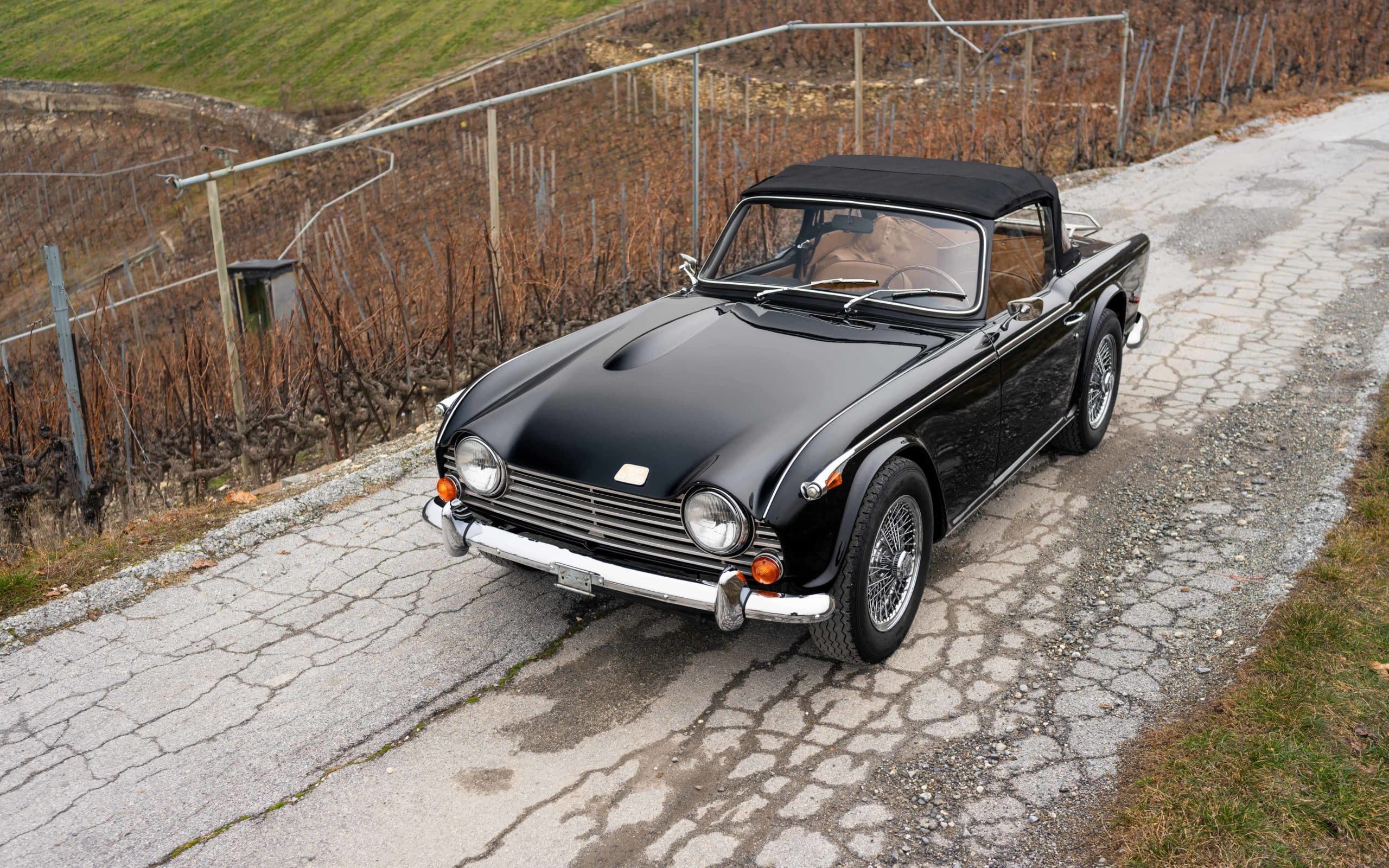
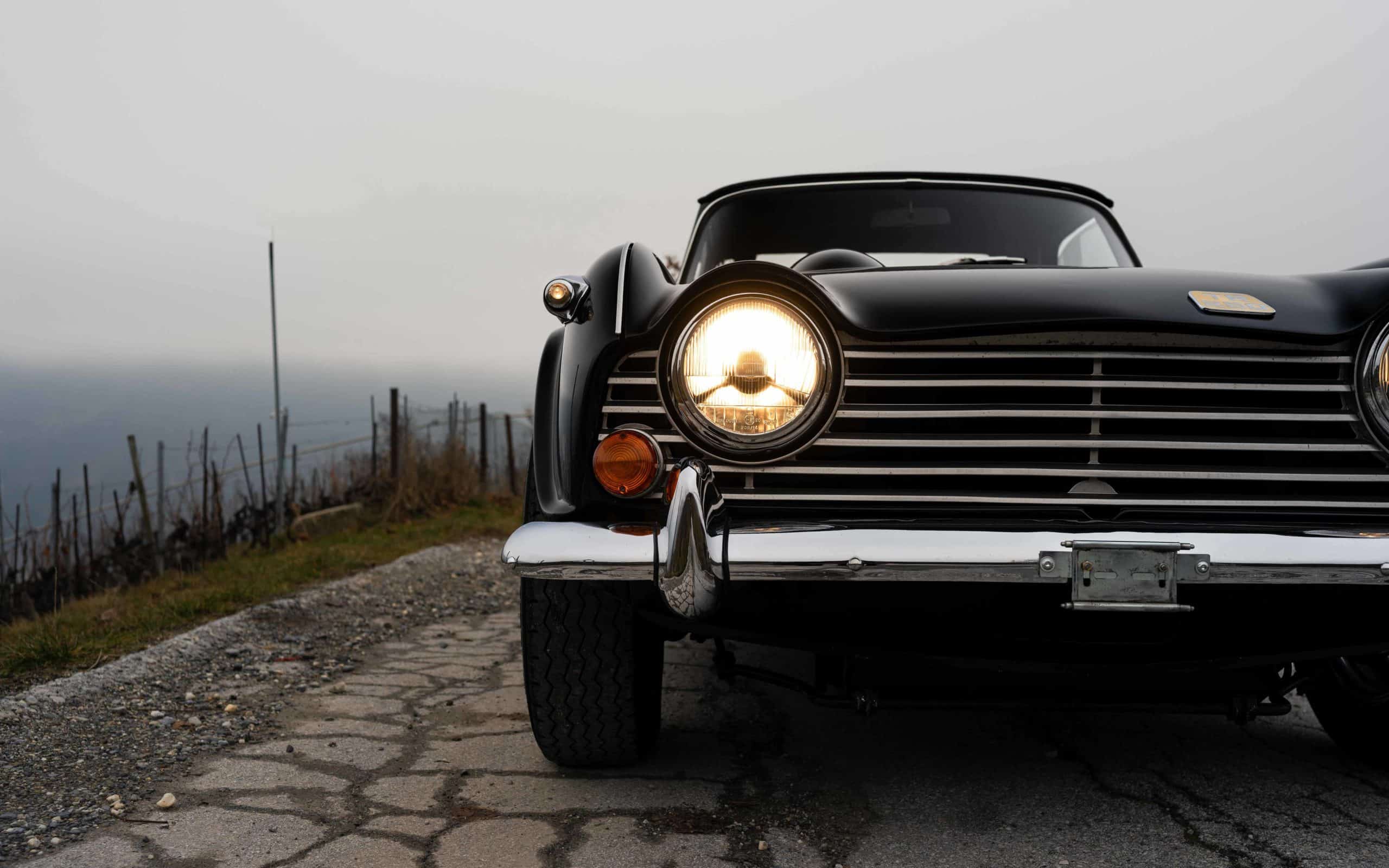
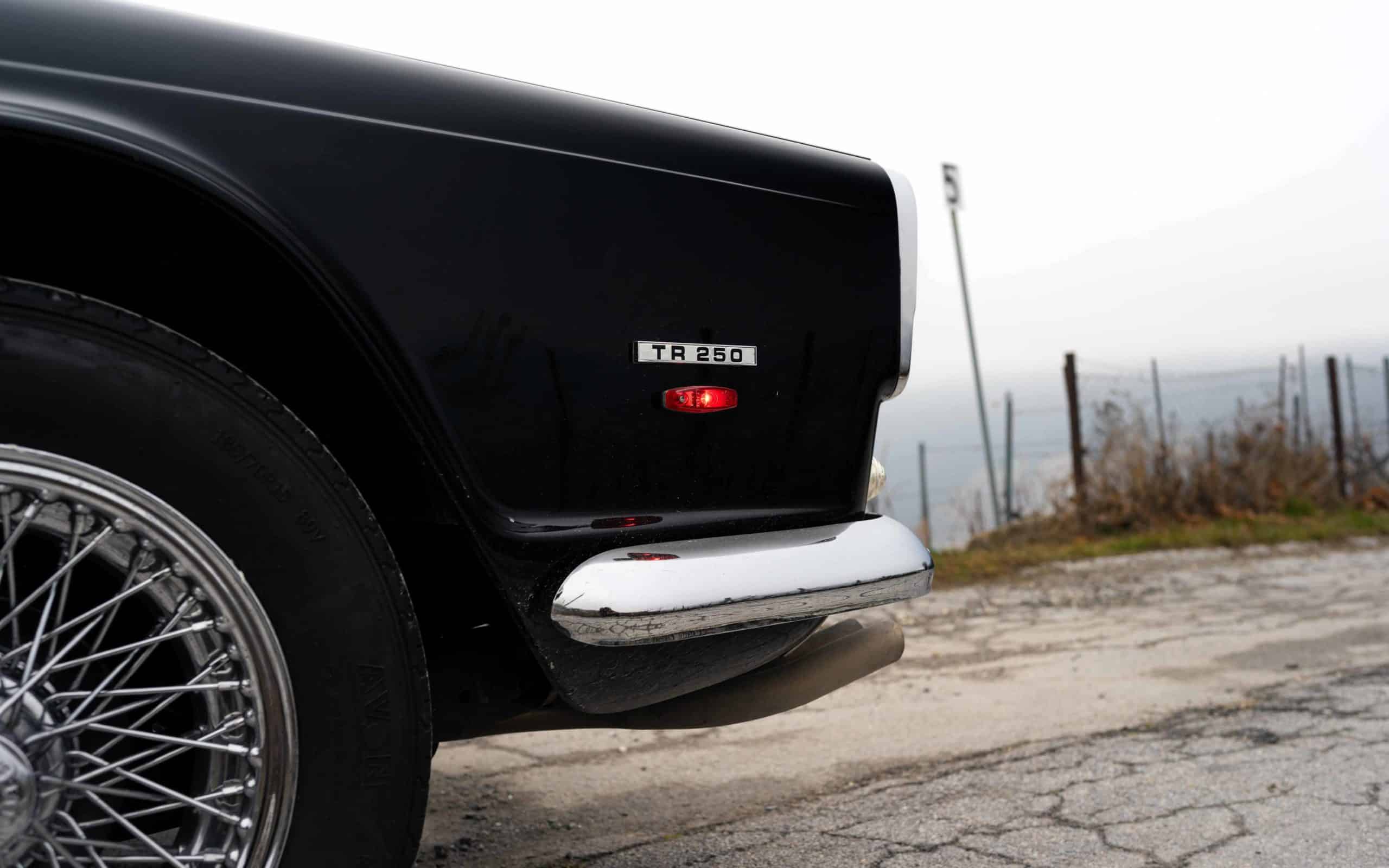
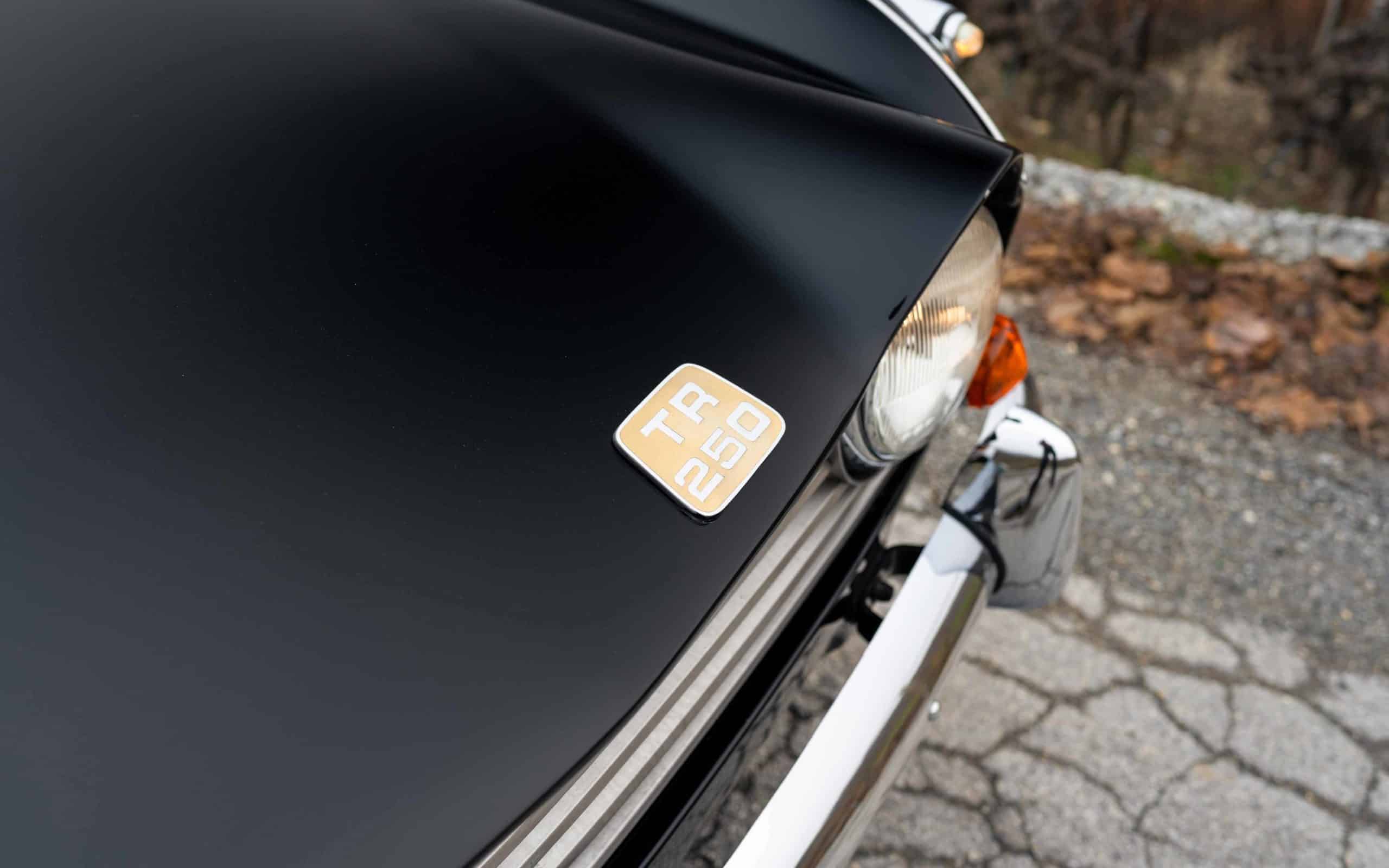
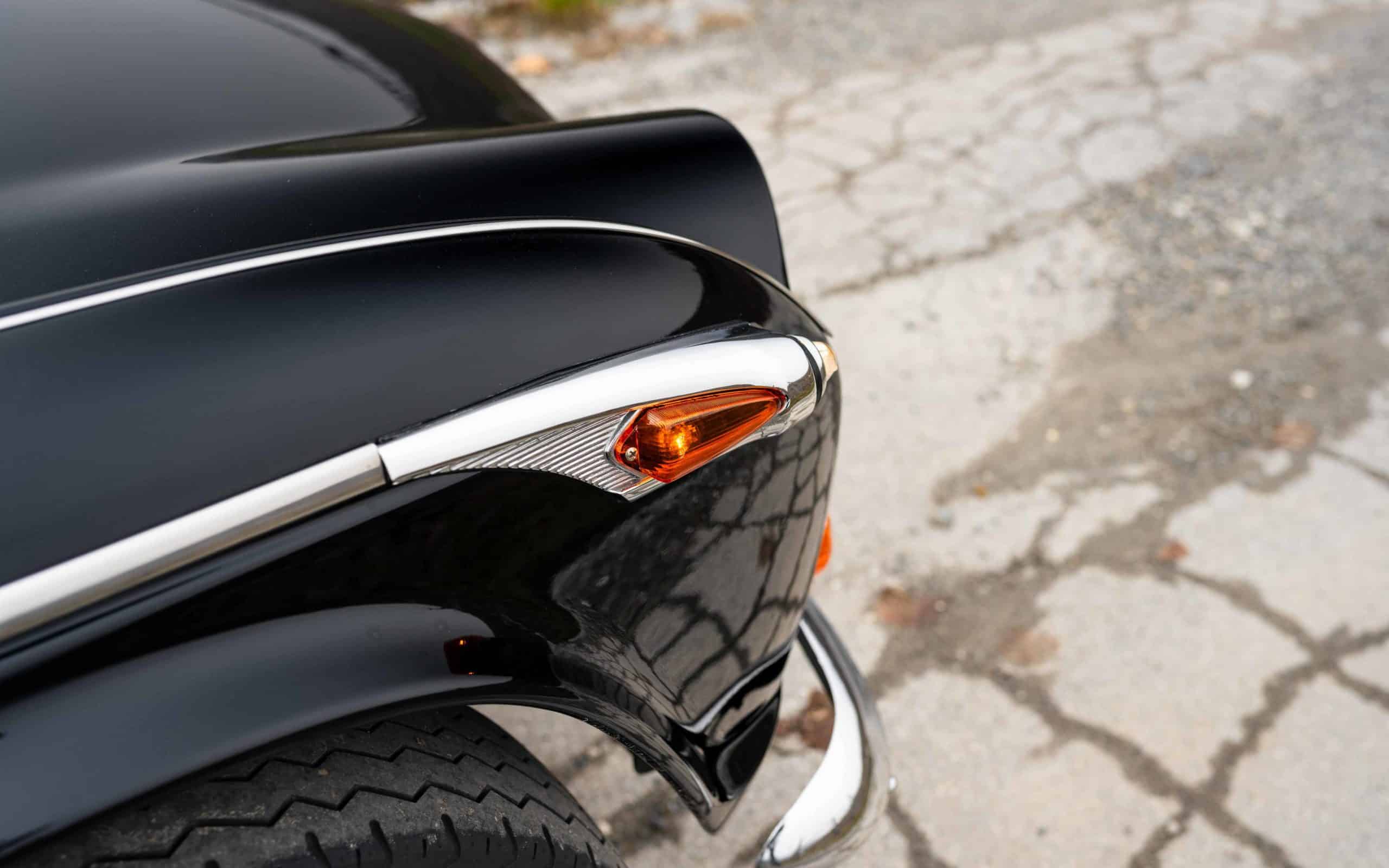
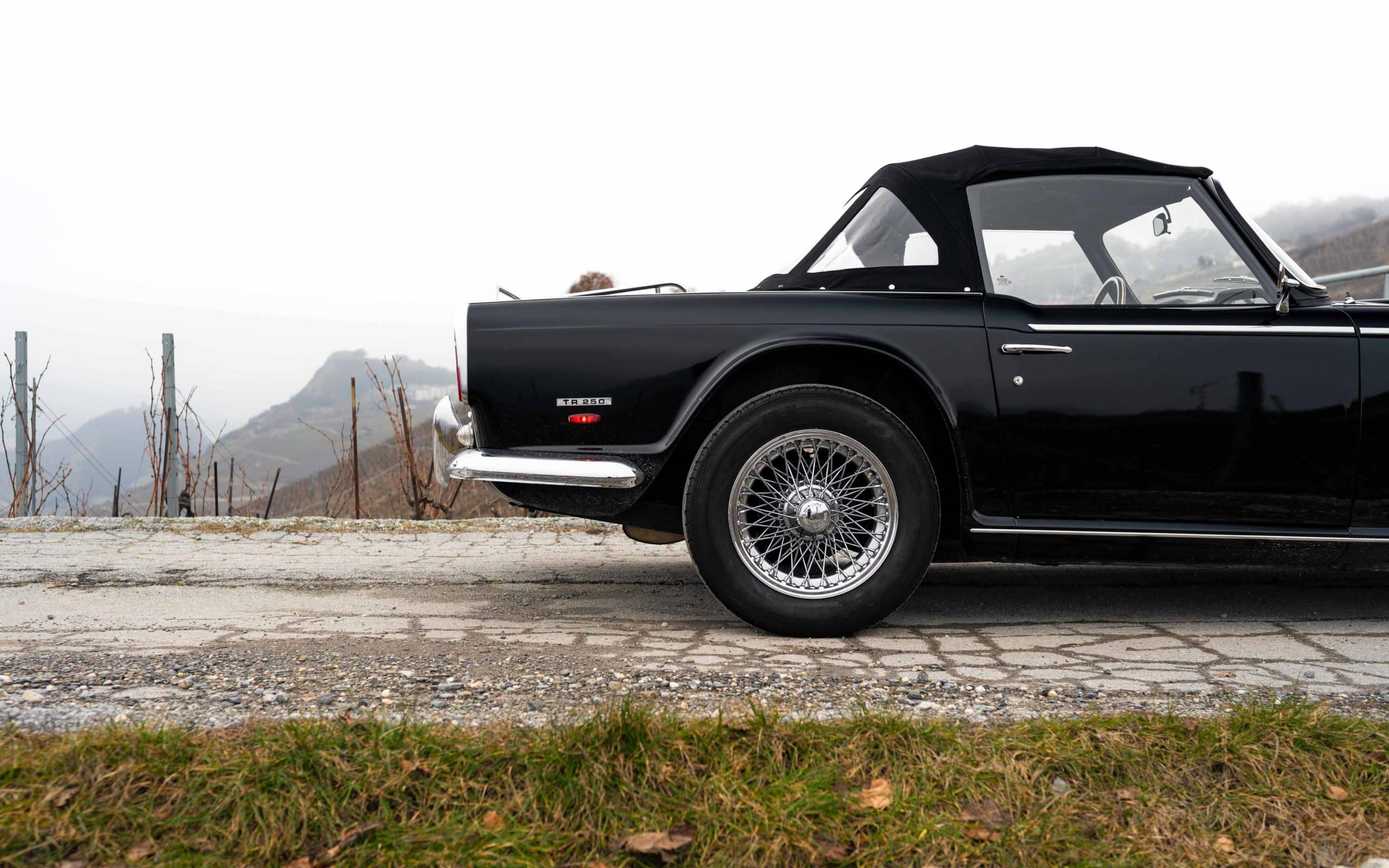
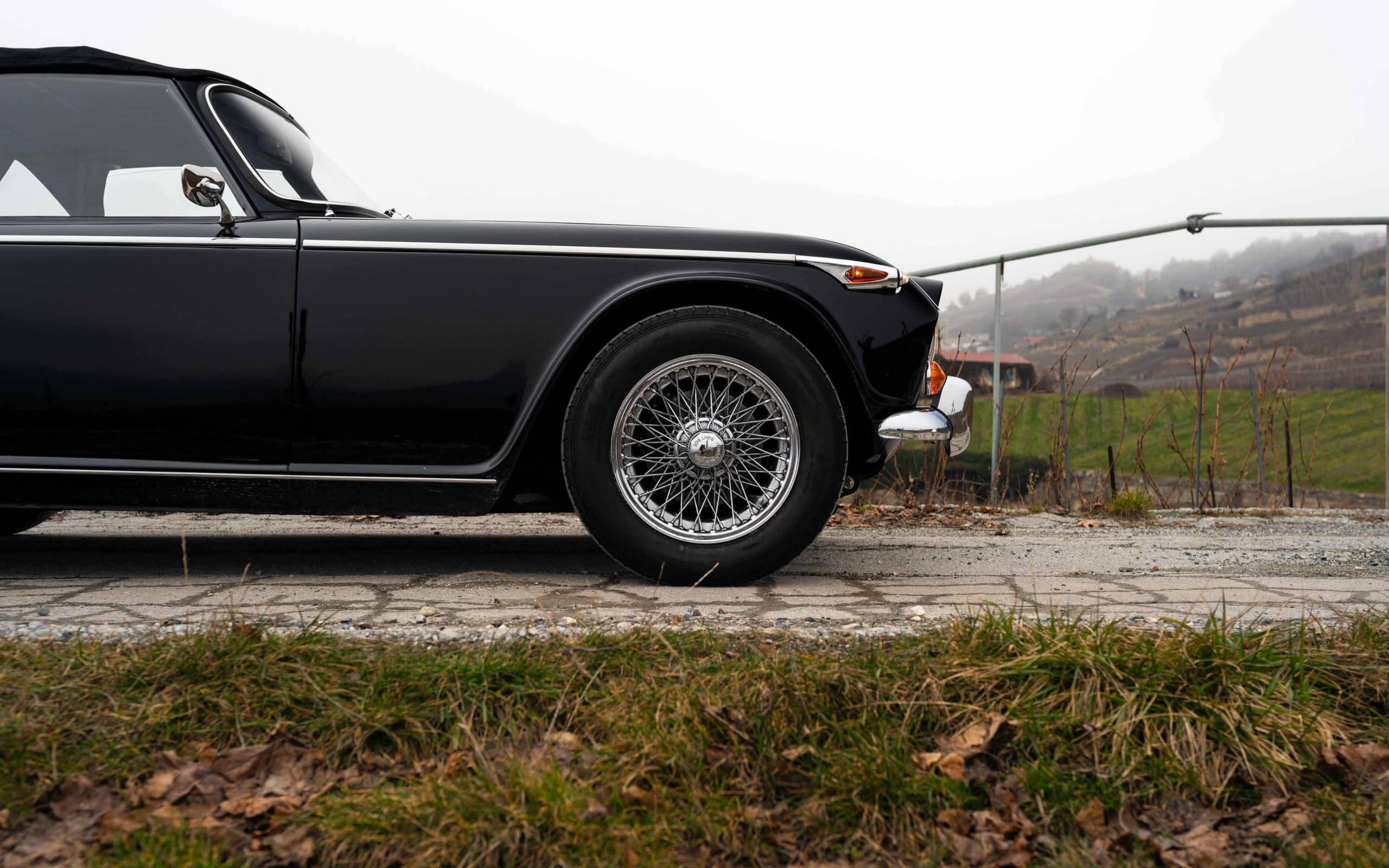
Visually the TR250 is classic small British roadster. The proportions are low and compact, with a long bonnet, short tail and very thin pillars that keep the cabin light and open. The body design continues the line started by the TR4, with crisp surfacing, integrated front wings and the characteristic Kamm style rear end. The most recognisable TR250 detail is the transverse bonnet stripe and side flashes which were used in period marketing material to underline the car’s sporting intention.
Under the skin the car is more sophisticated than its simple looks suggest. A separate steel chassis carries independent suspension all round, with coil springs and wishbones at the front and coil sprung semi trailing arms at the rear, an arrangement introduced on the TR4A and retained for the TR5 and TR250. Rack and pinion steering, front disc brakes and a compact wheelbase keep responses direct and give the car a planted stance on the road. The result is a small roadster that feels eager but never nervous, happy both on tight Alpine passes and on longer cross country runs.
The straight six character
At the heart of the TR250 sits Triumph’s 2.5 litre inline six. In carburetted TR250 form it delivers roughly 104 to 111 horsepower around 4500 rpm and a generous plateau of torque in the region of 143 to 152 lb ft at about 3000 rpm, depending on which period source you consult. On the road the numbers matter less than the way the engine behaves. It pulls with a smooth, elastic surge from low revs, sounds rich and mechanical without being intrusive and rewards being worked through the mid range rather than chased to the limiter.
Period tests recorded a 0 to 60 mph time of around ten and a half seconds and a top speed just above 170 km h, with a quarter mile in the high seventeen second range. Those figures may look modest next to modern sports cars, yet in an open TR250 with its low seating position, minimal windscreen and close relationship to the road, they still translate into a genuinely lively drive. Optional overdrive on third and fourth gear further stretches the gearing for relaxed highway cruising and makes the most of the straight six flexibility.
Cabin atmosphere and details
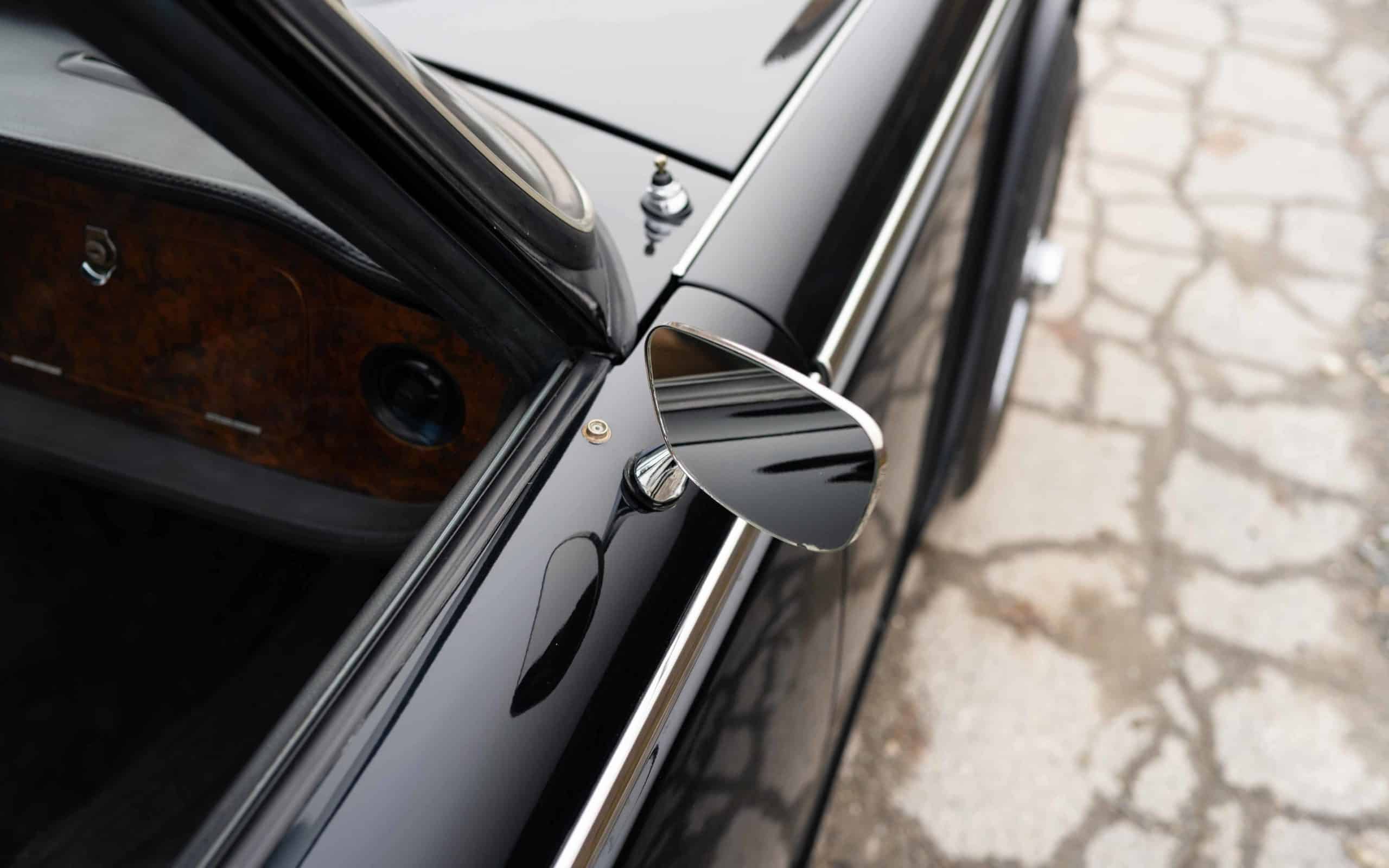
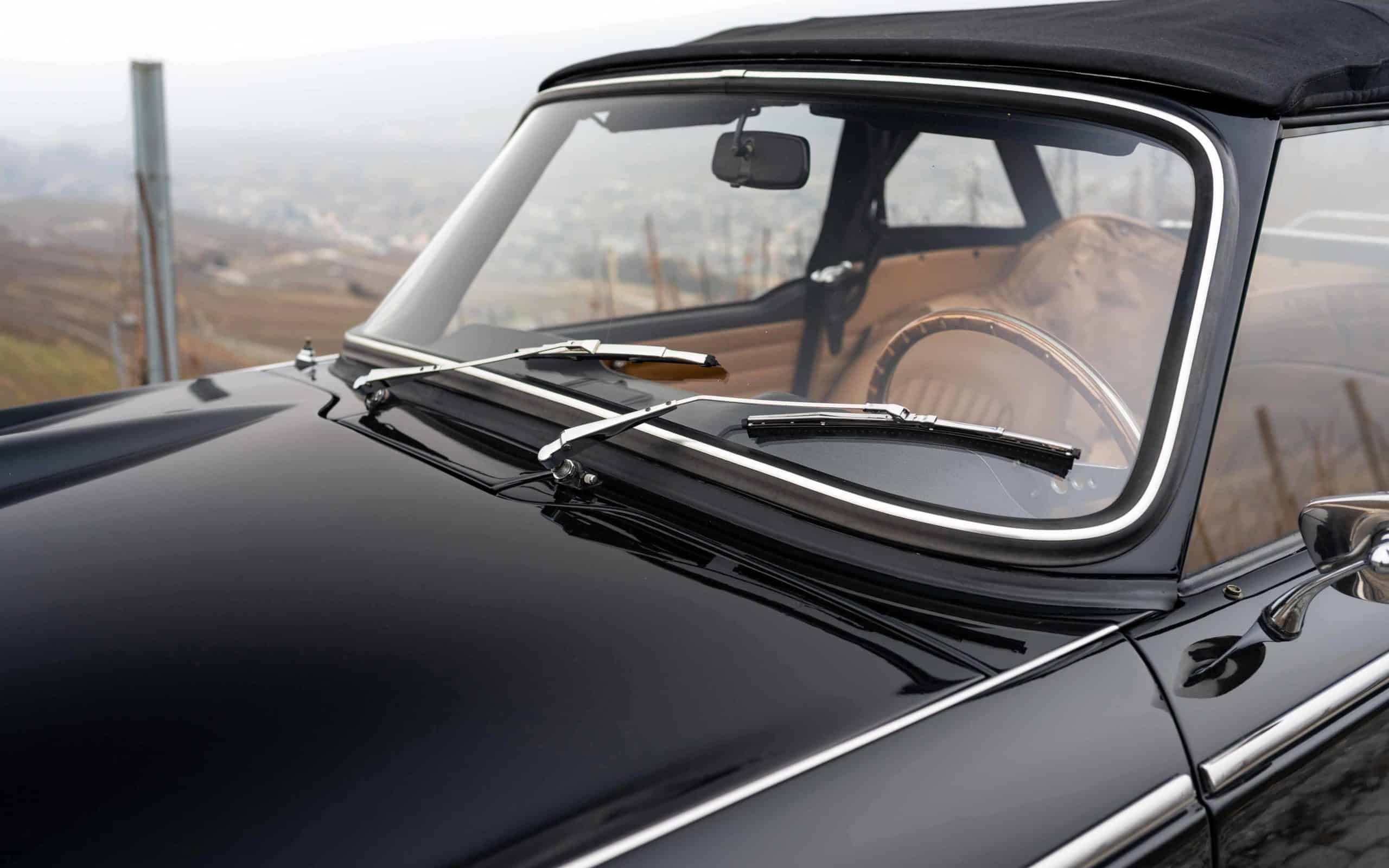
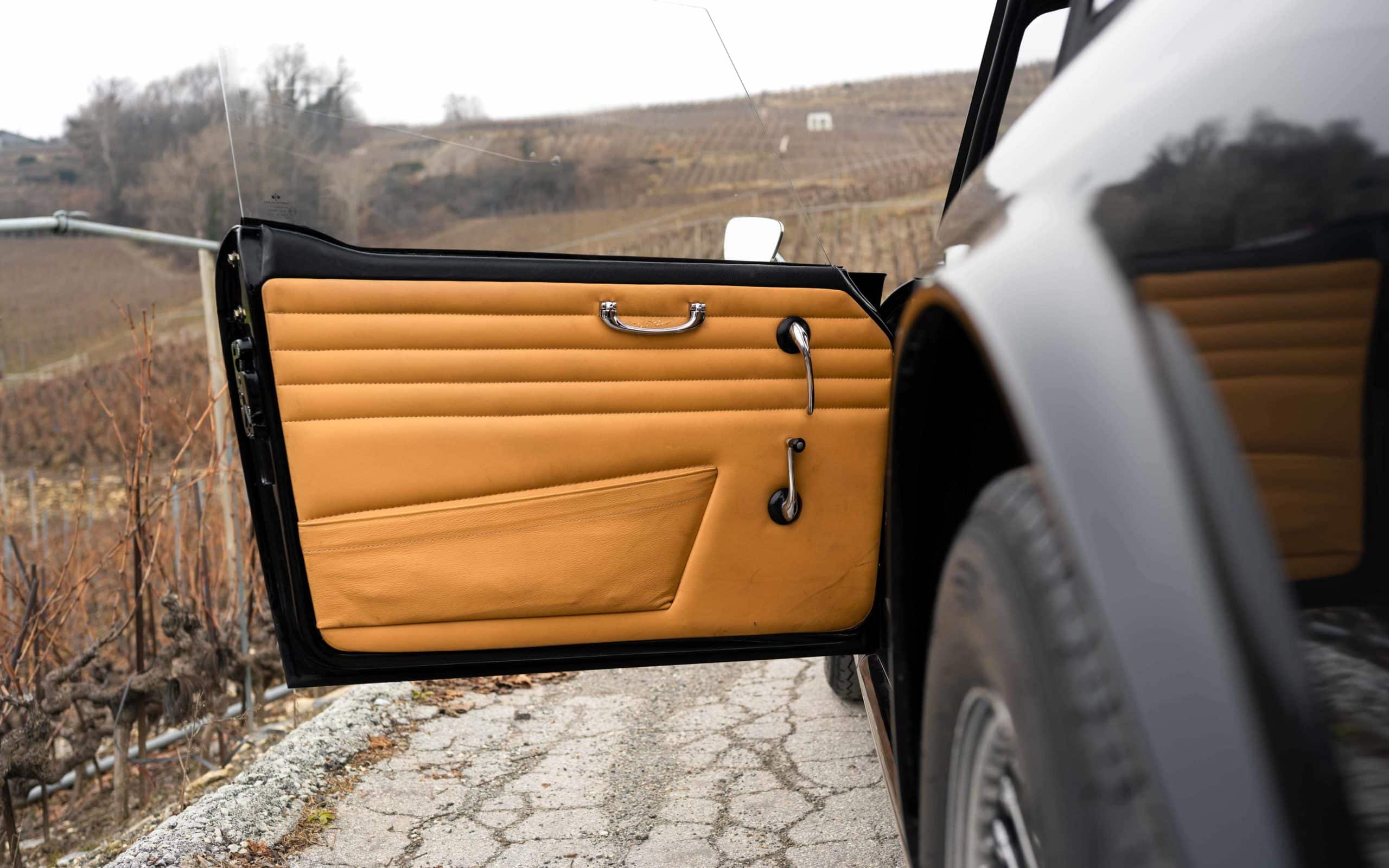
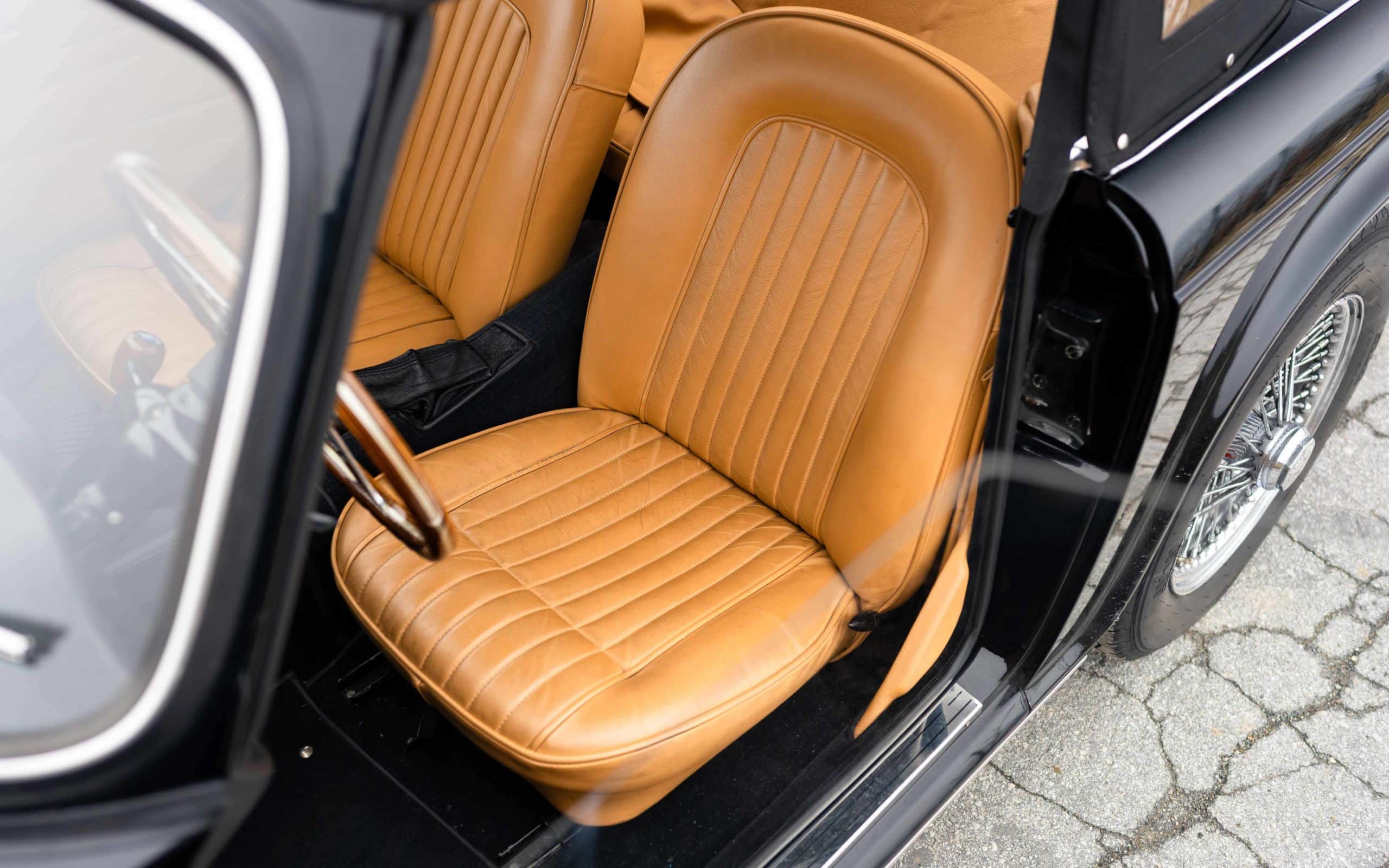
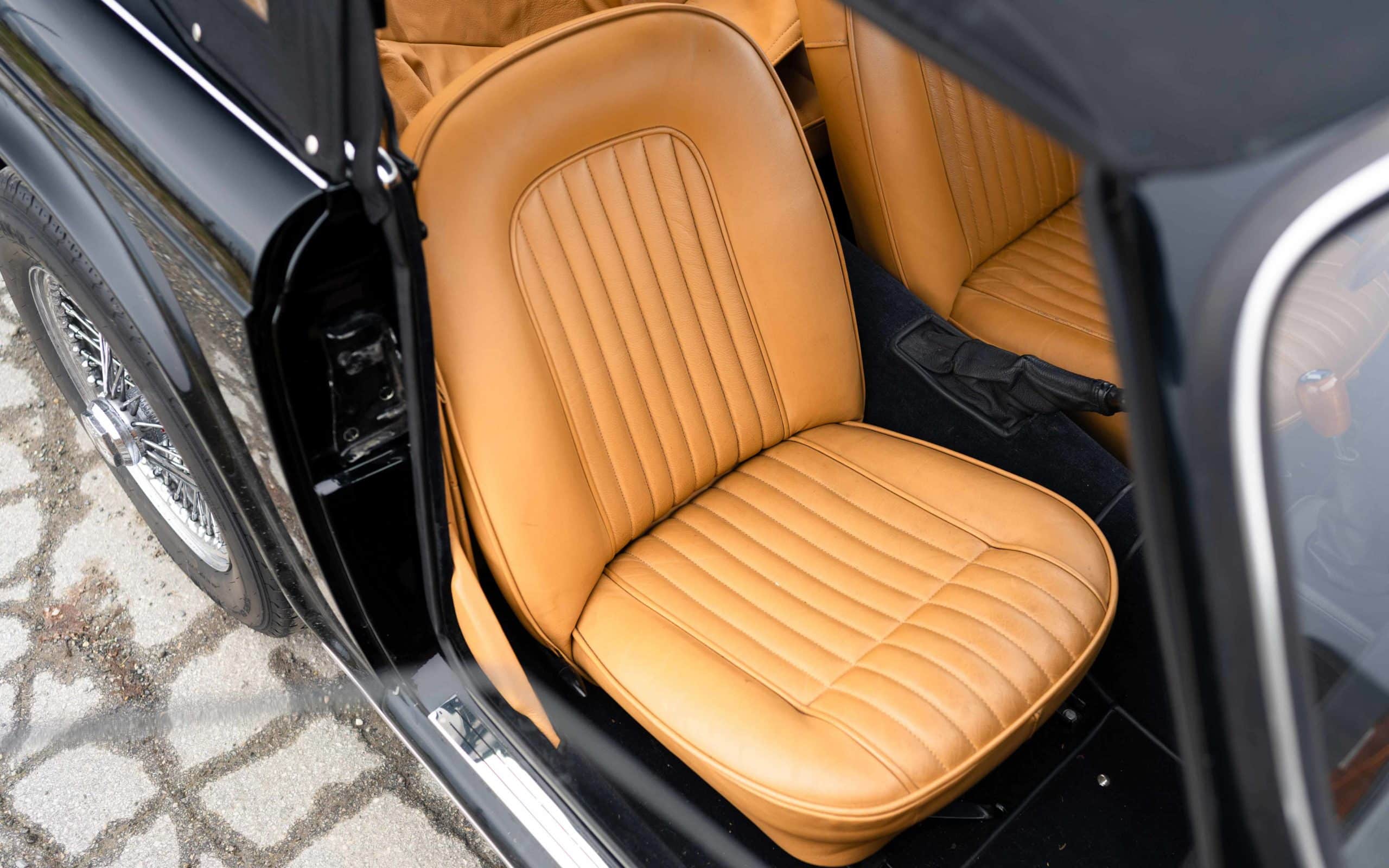
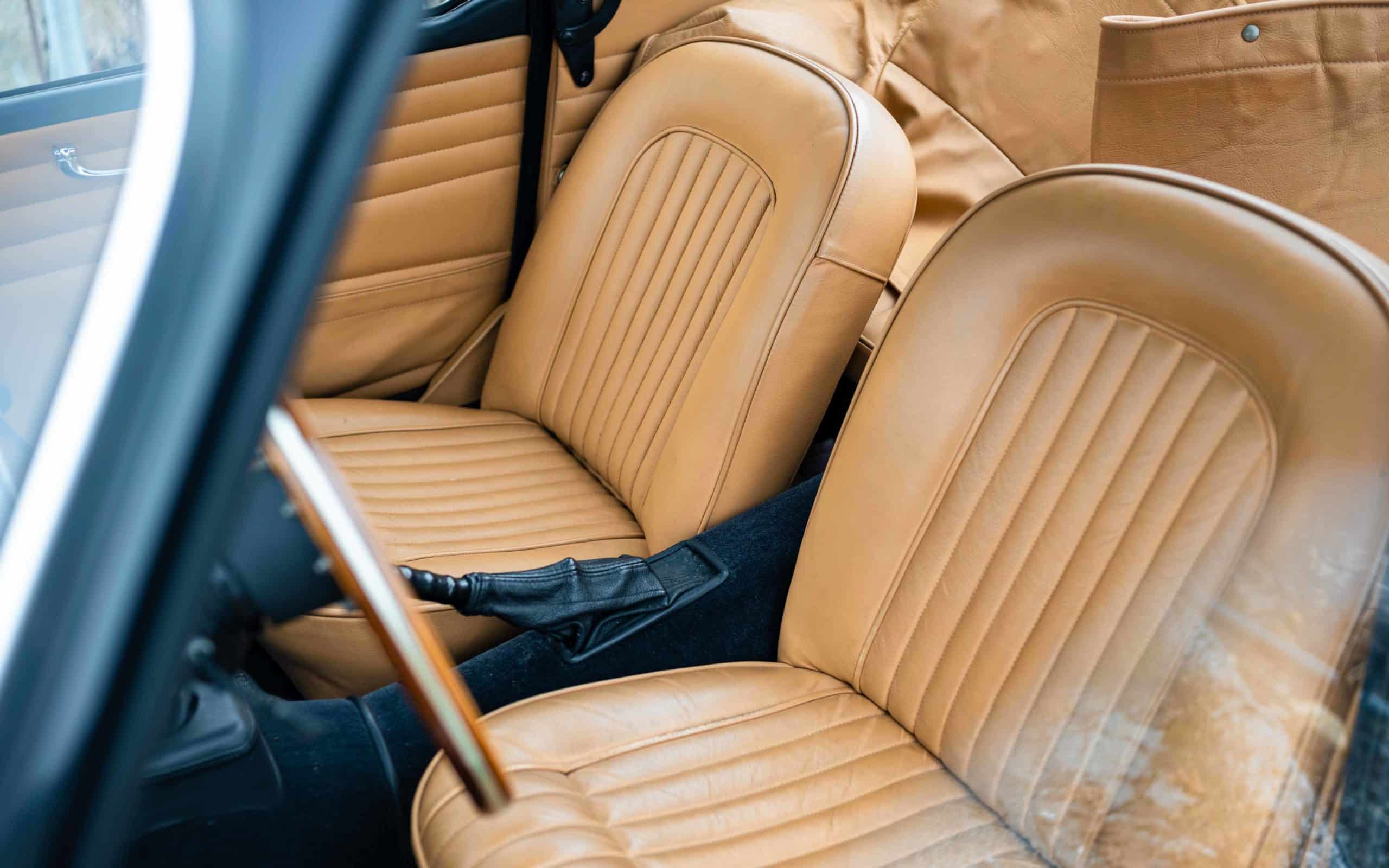
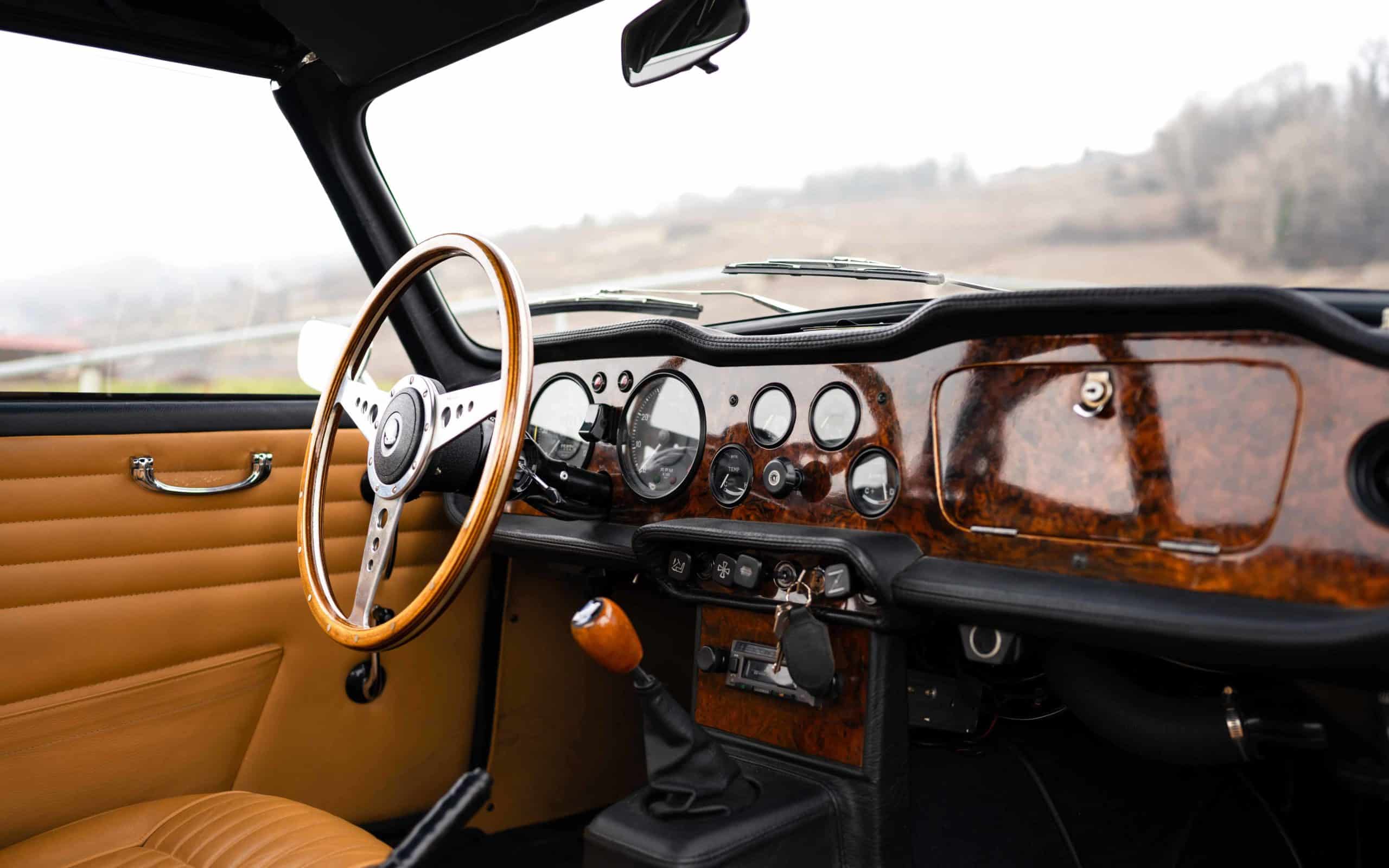
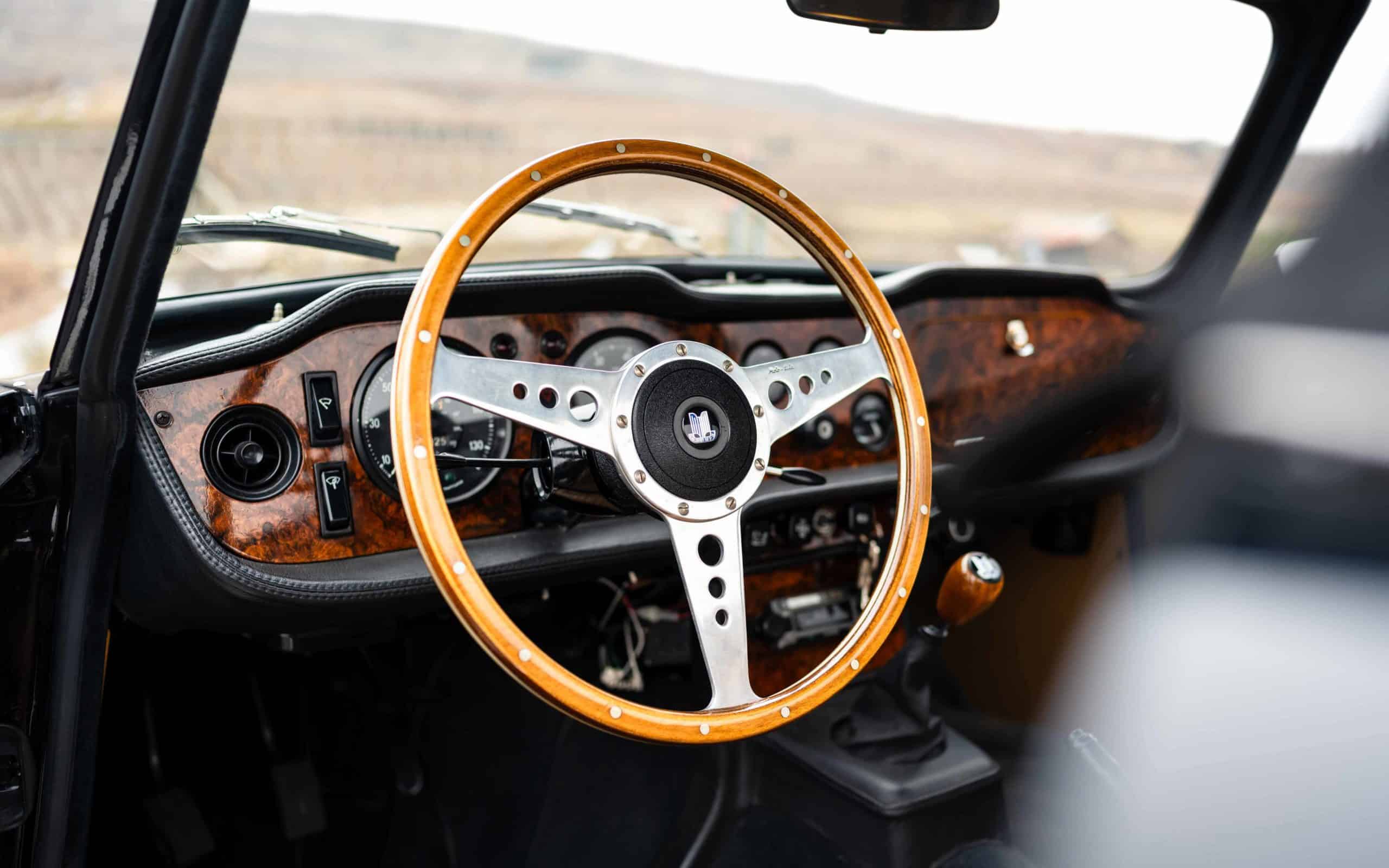
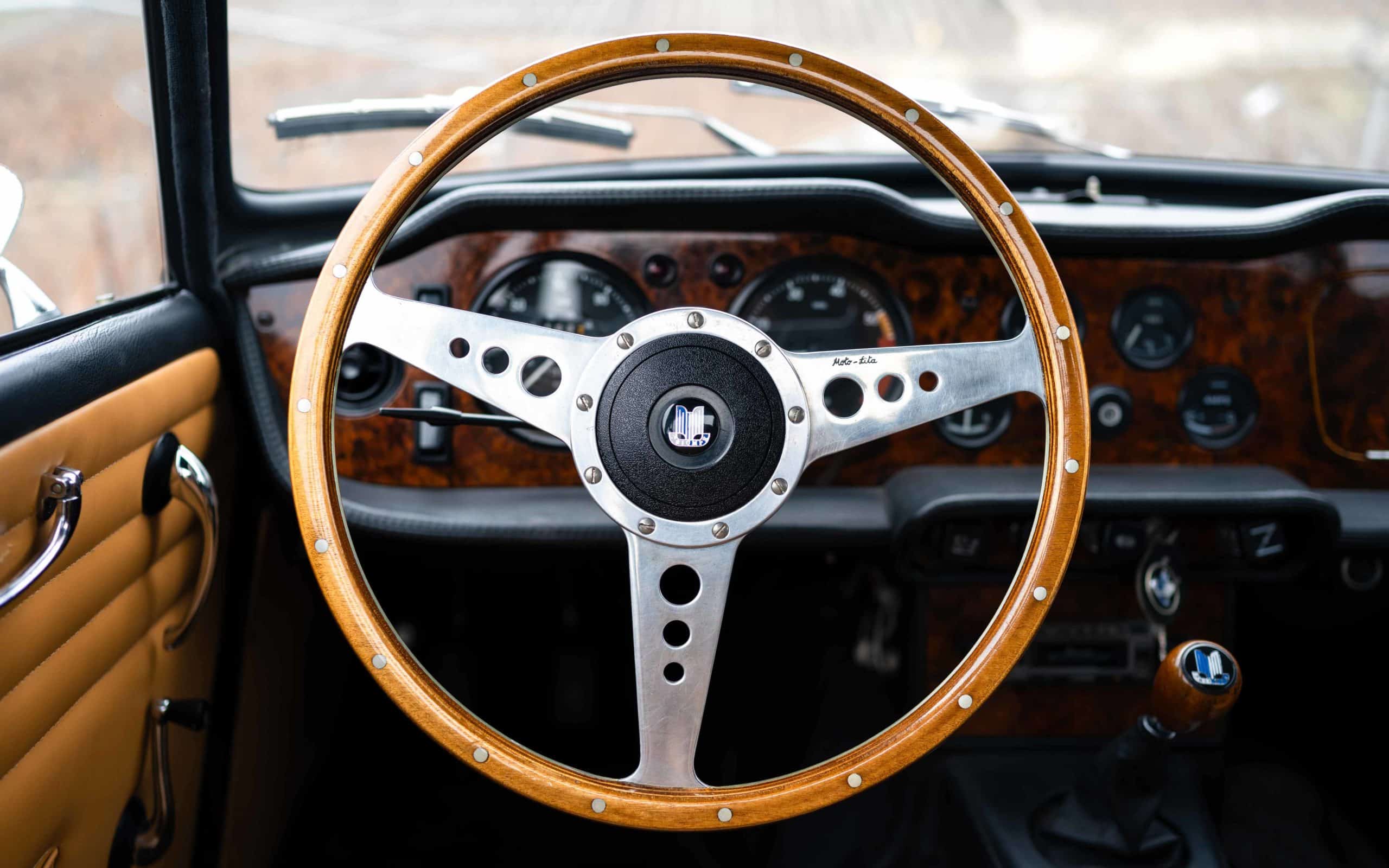
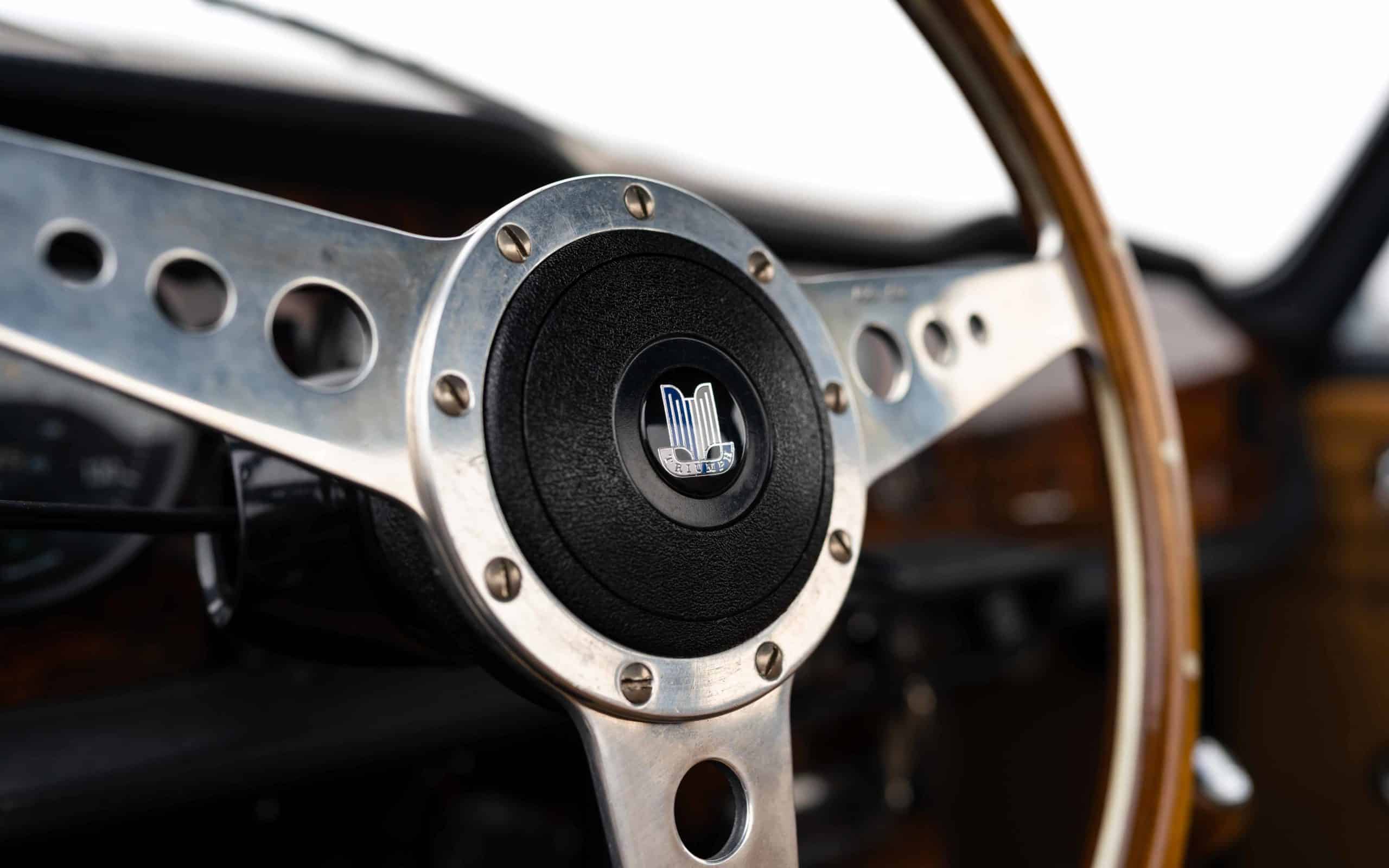
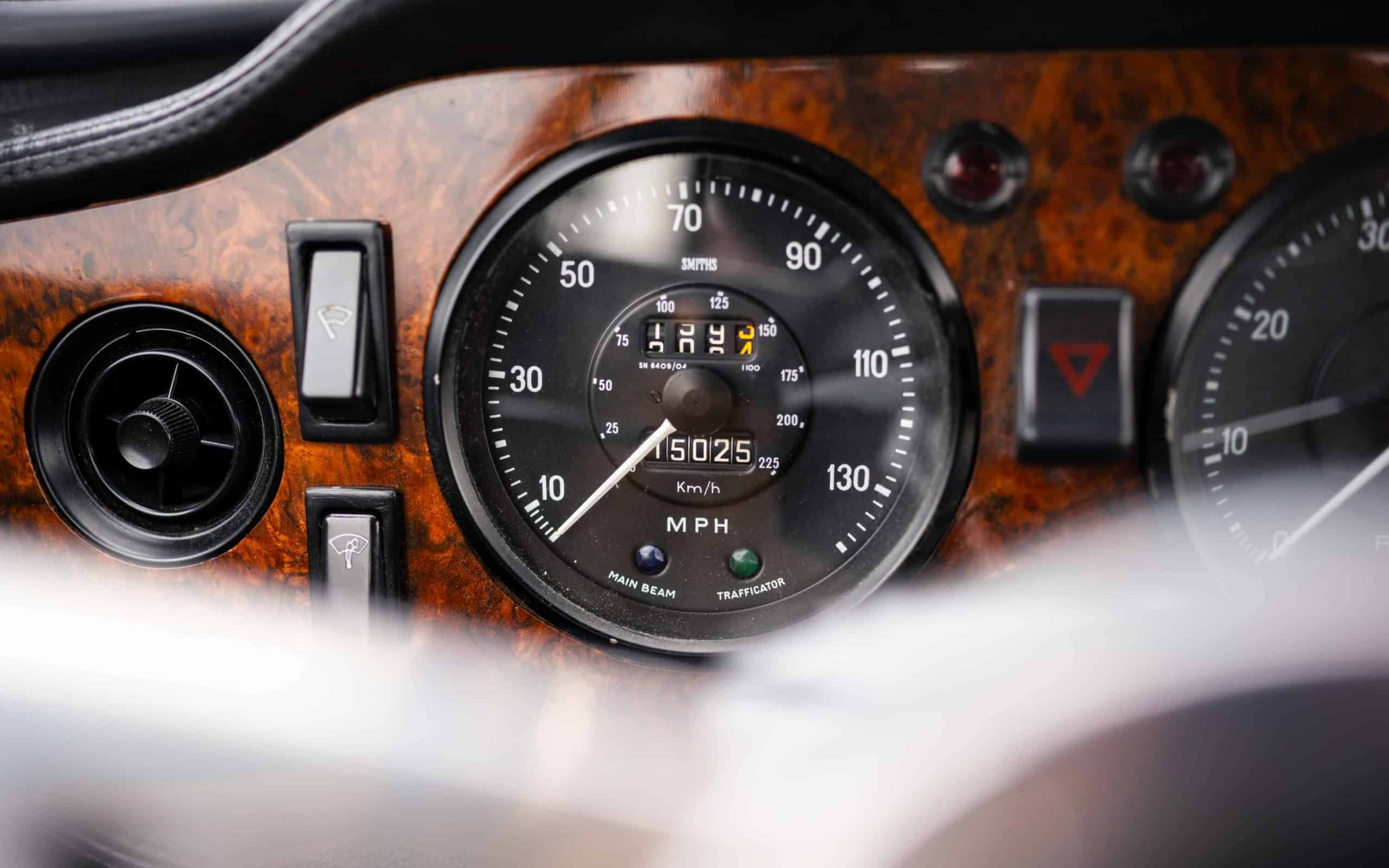
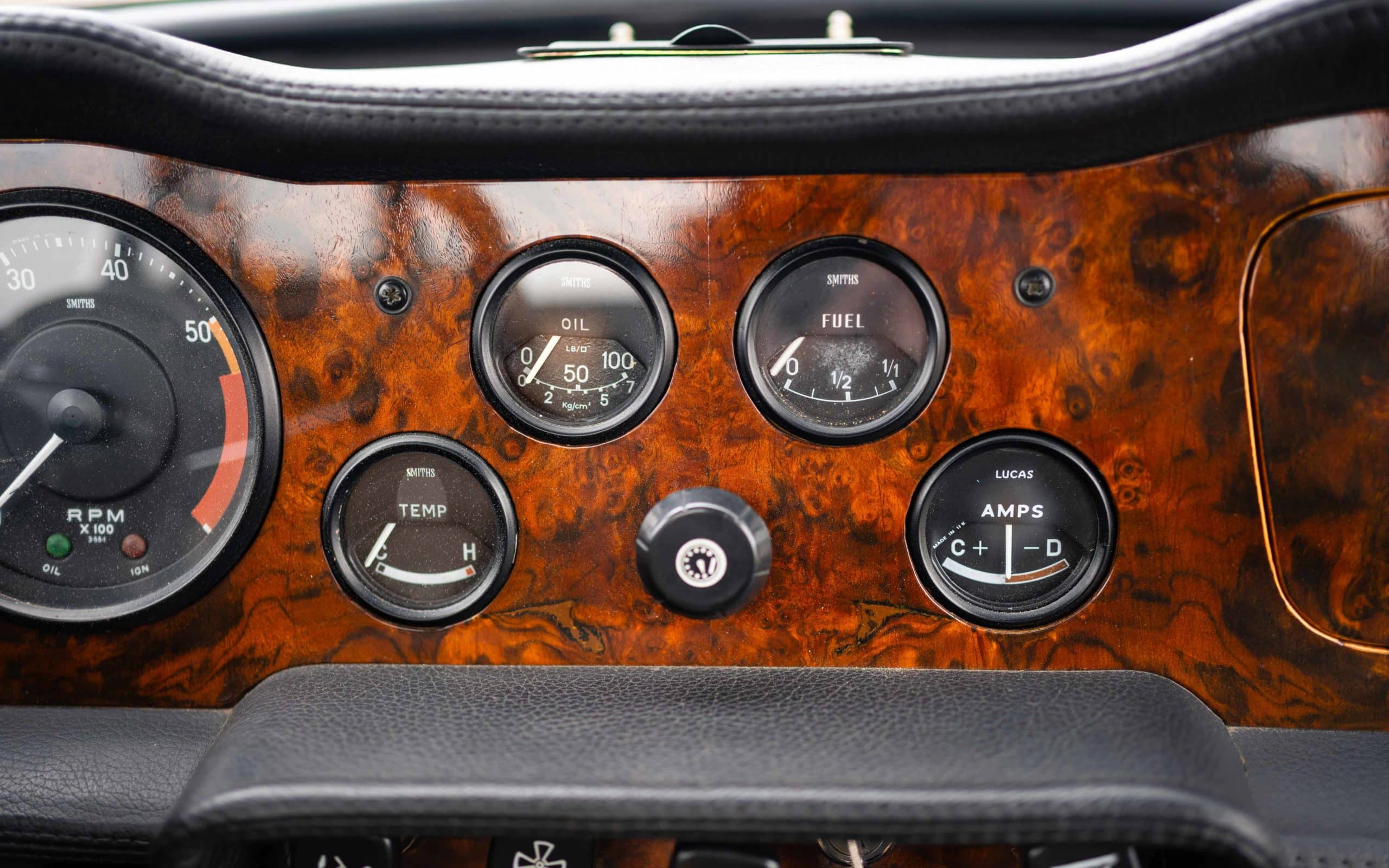
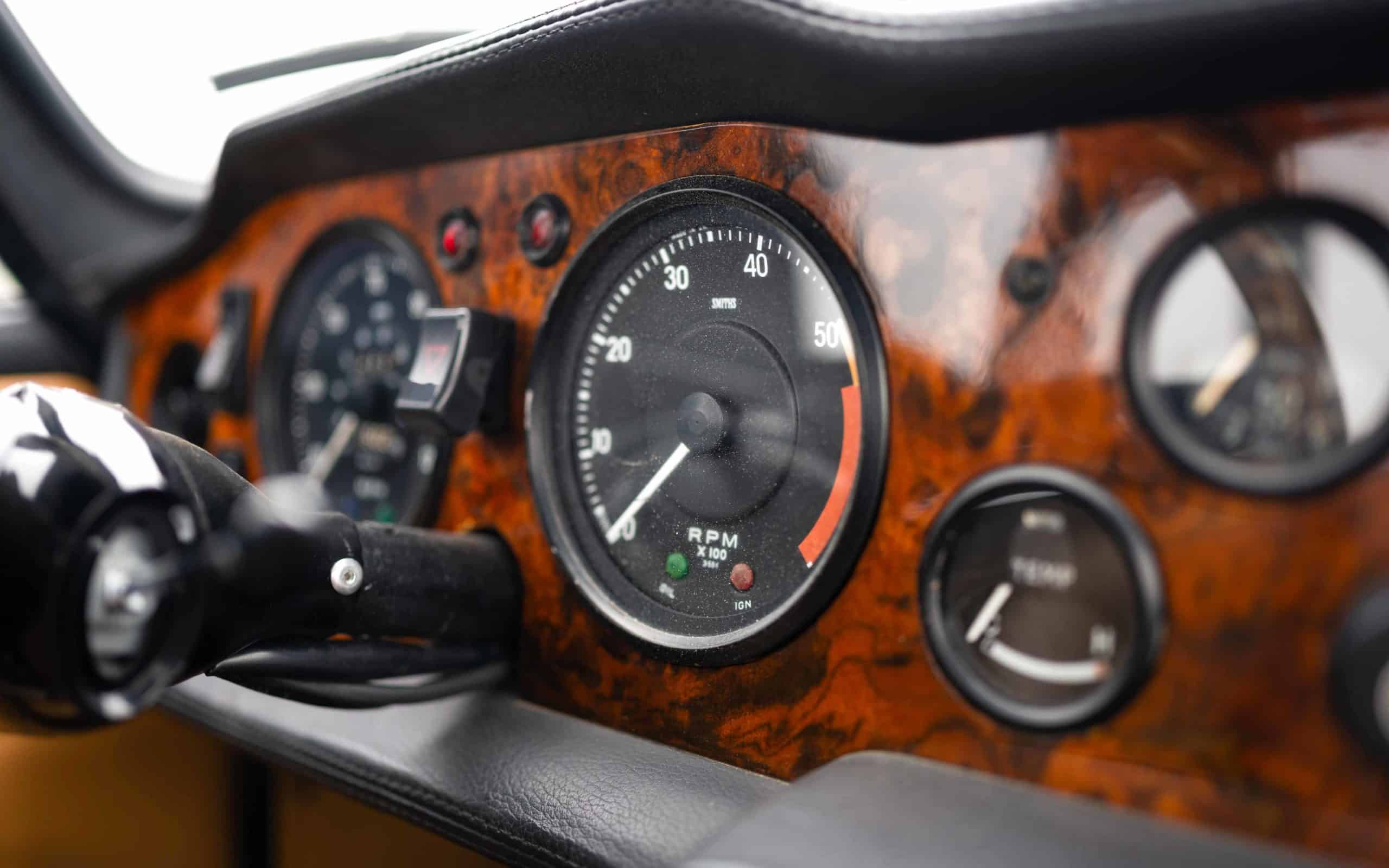
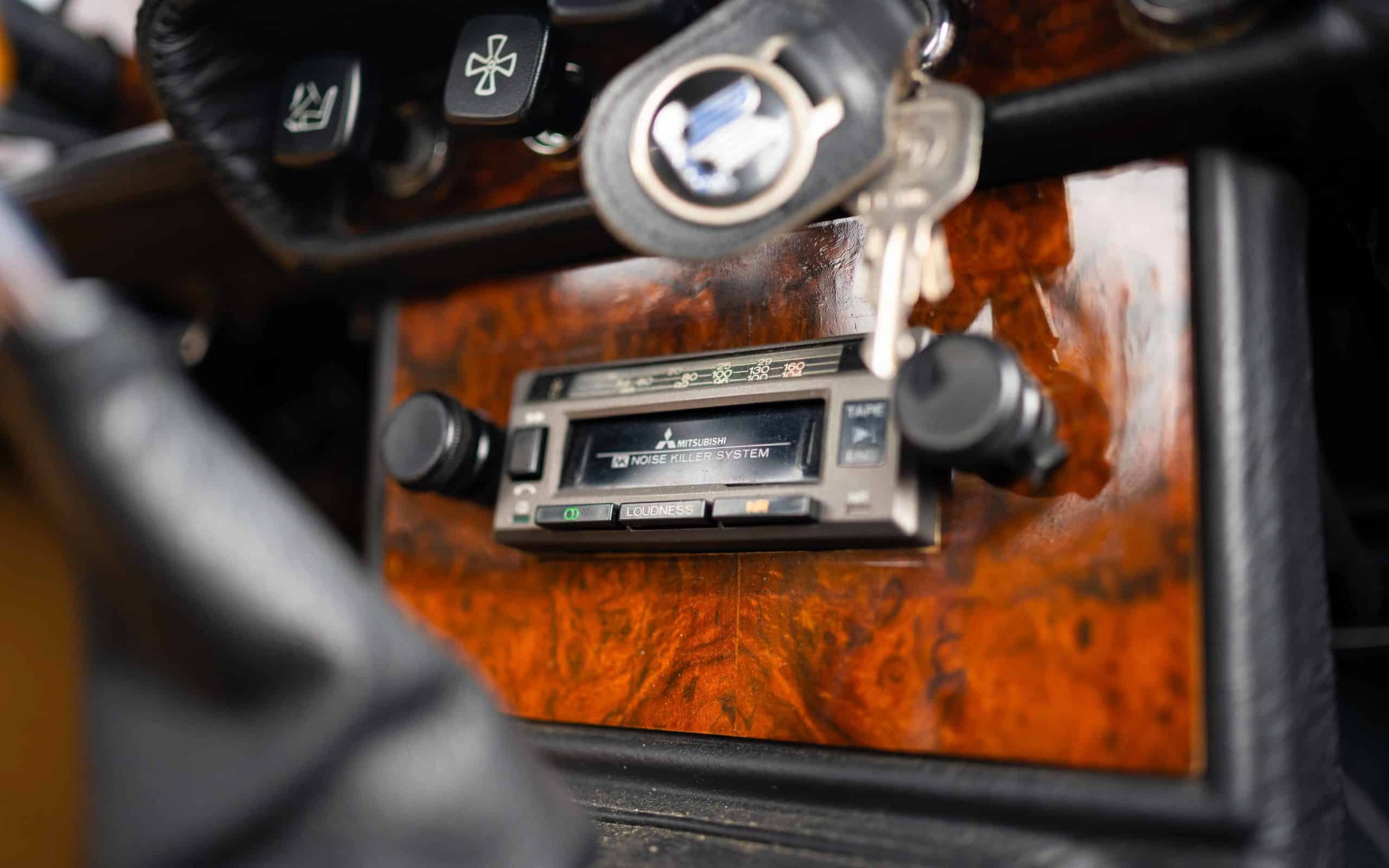
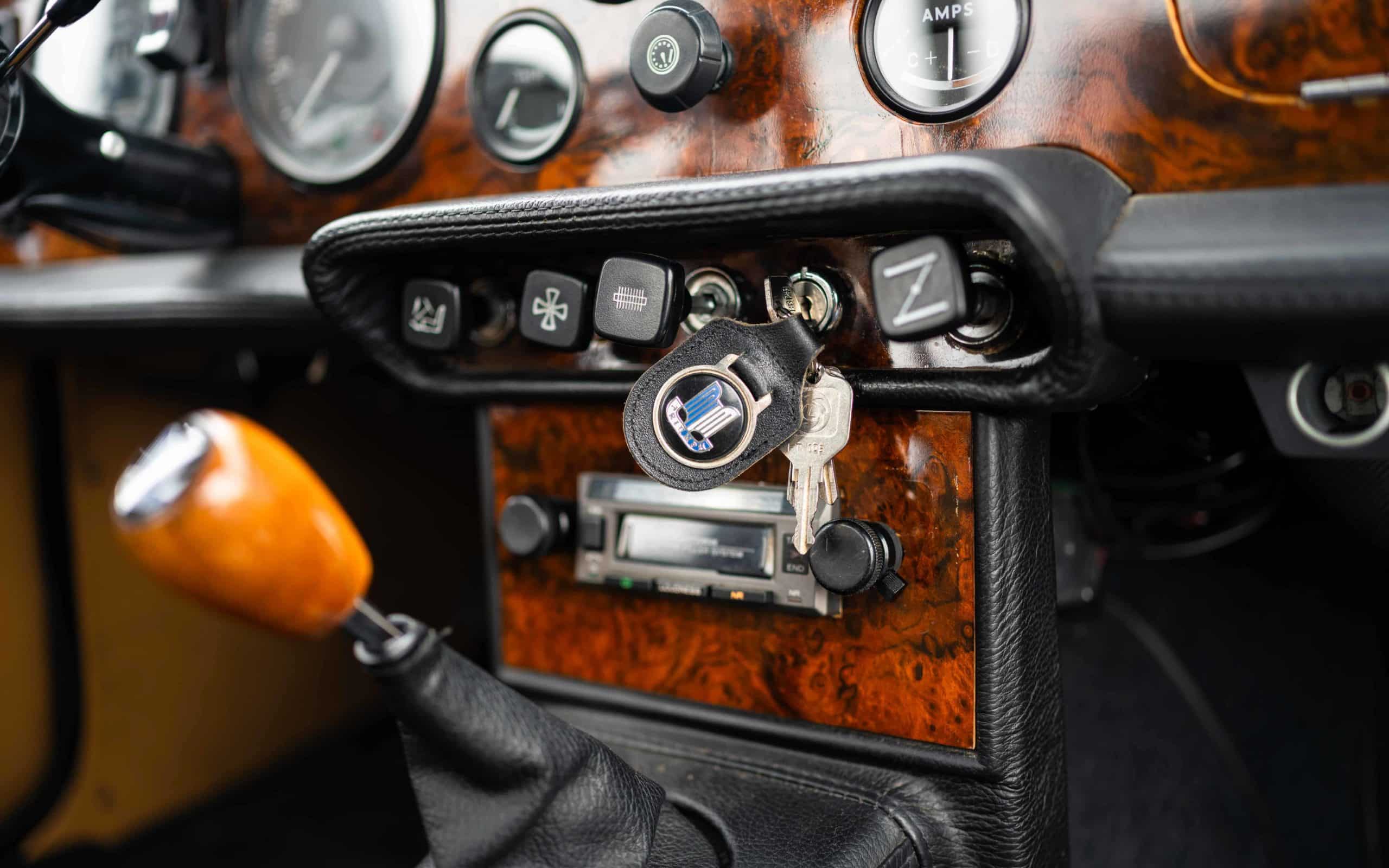
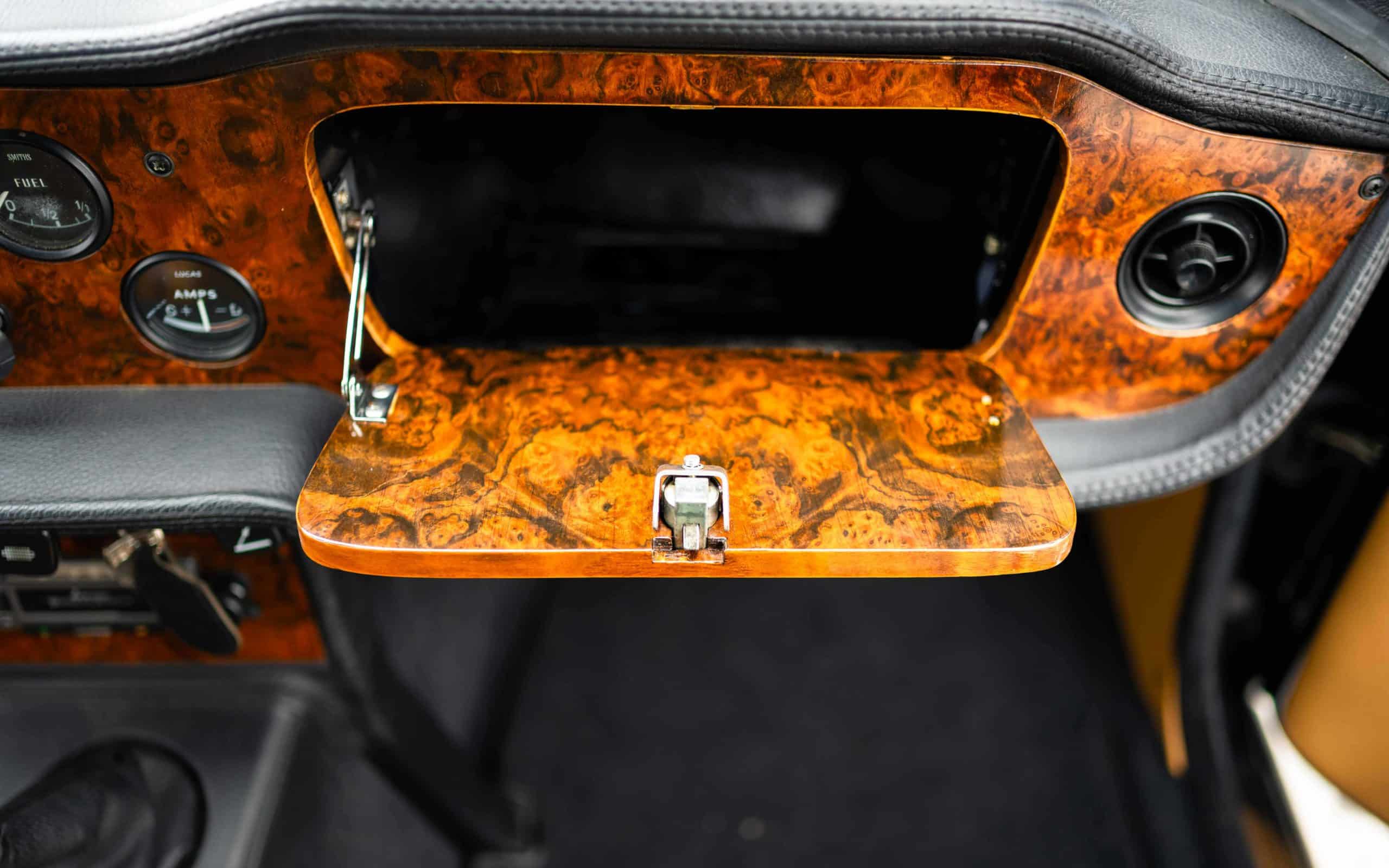
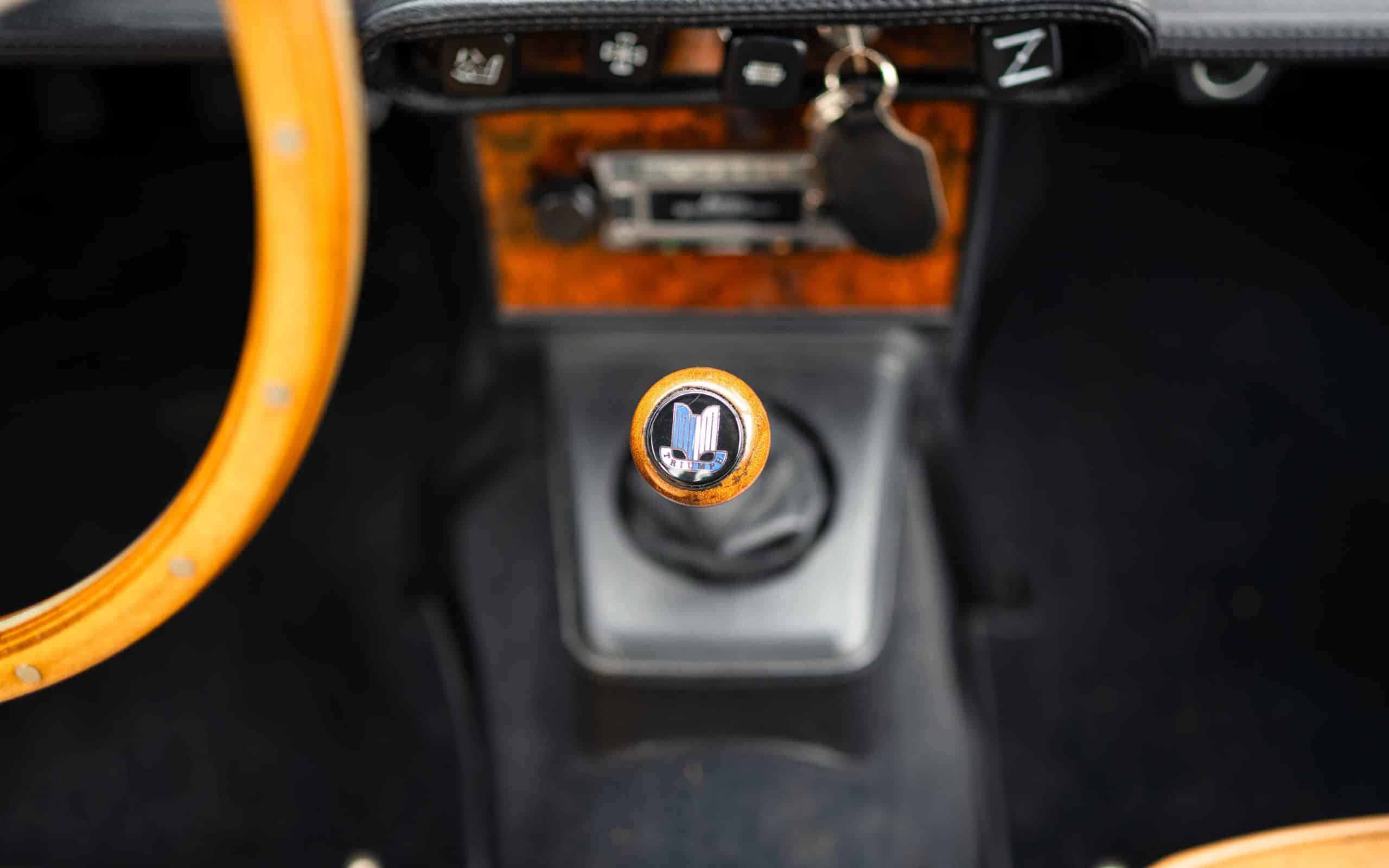
Inside, the TR250 offers exactly the sort of environment enthusiasts expect from a sixties British sports car. A full width wooden dashboard carries clear Smiths instruments, simple slider controls and a row of toggle switches. Deeply padded bucket seats are trimmed in Ambla vinyl or leather with contrasting piping, and the three spoke steering wheel sits almost vertical in classic period fashion. The view out over the gently scalloped bonnet, with the centre power bulge leading your eye down the road, is a big part of the car’s charm.
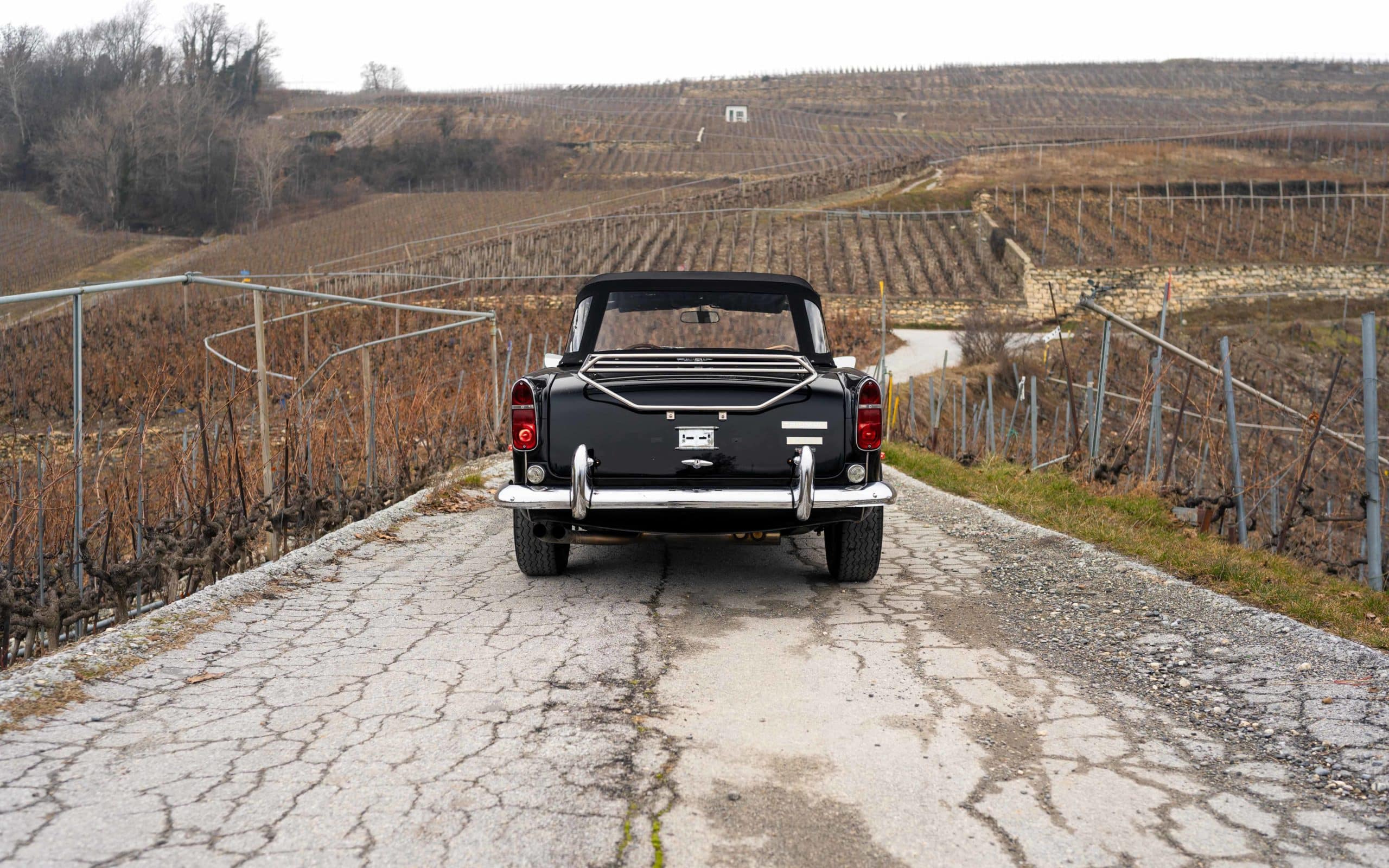
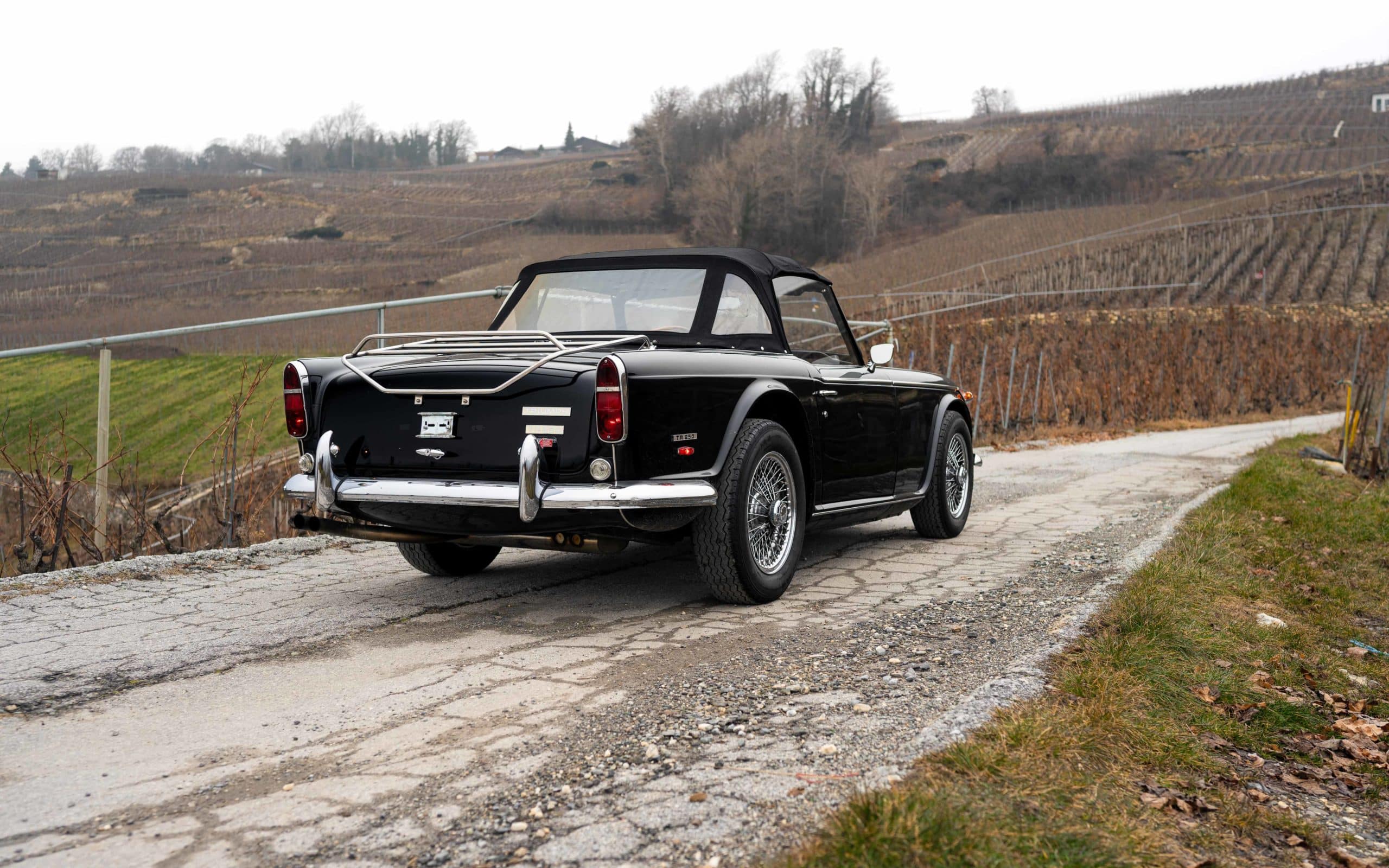
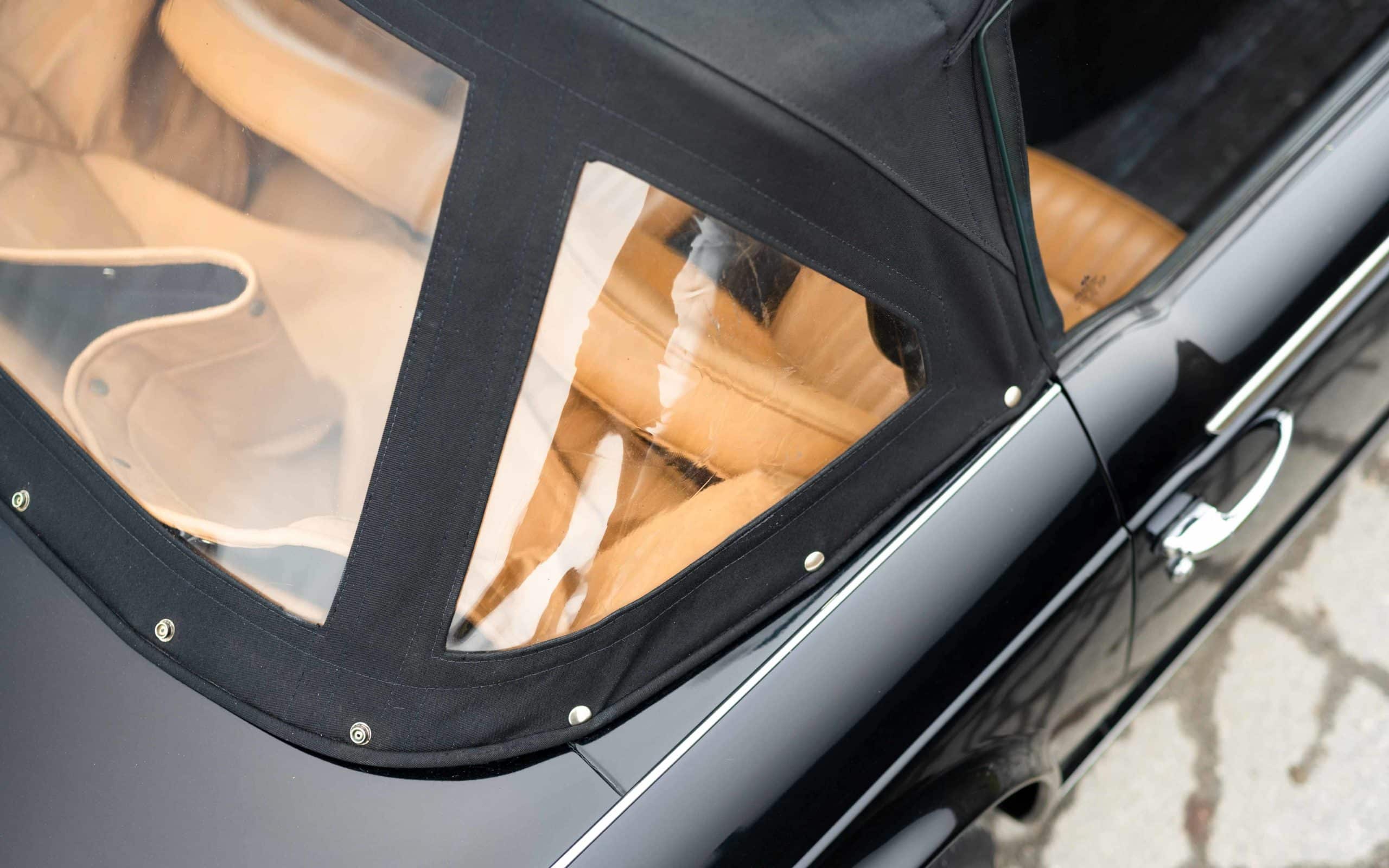
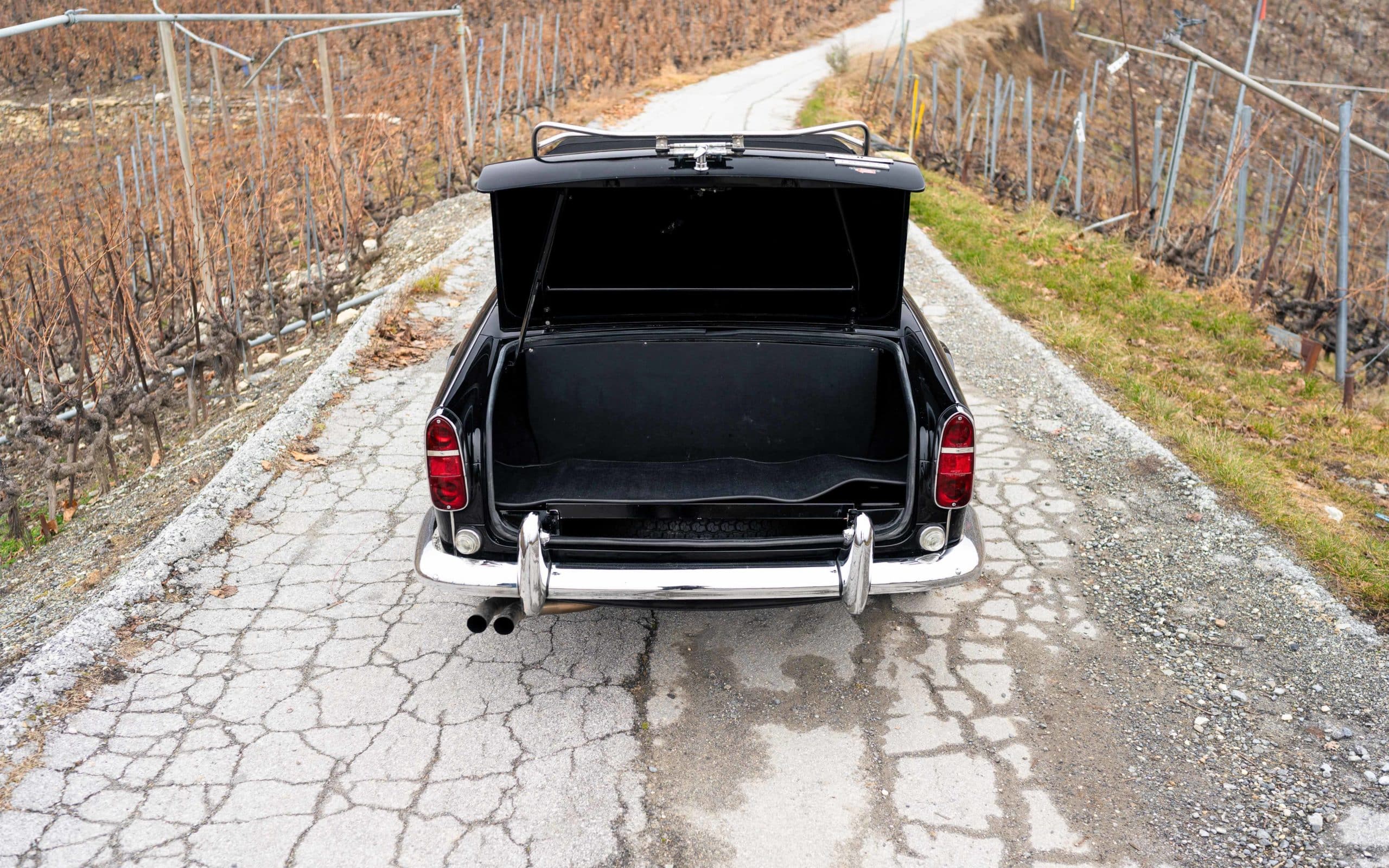
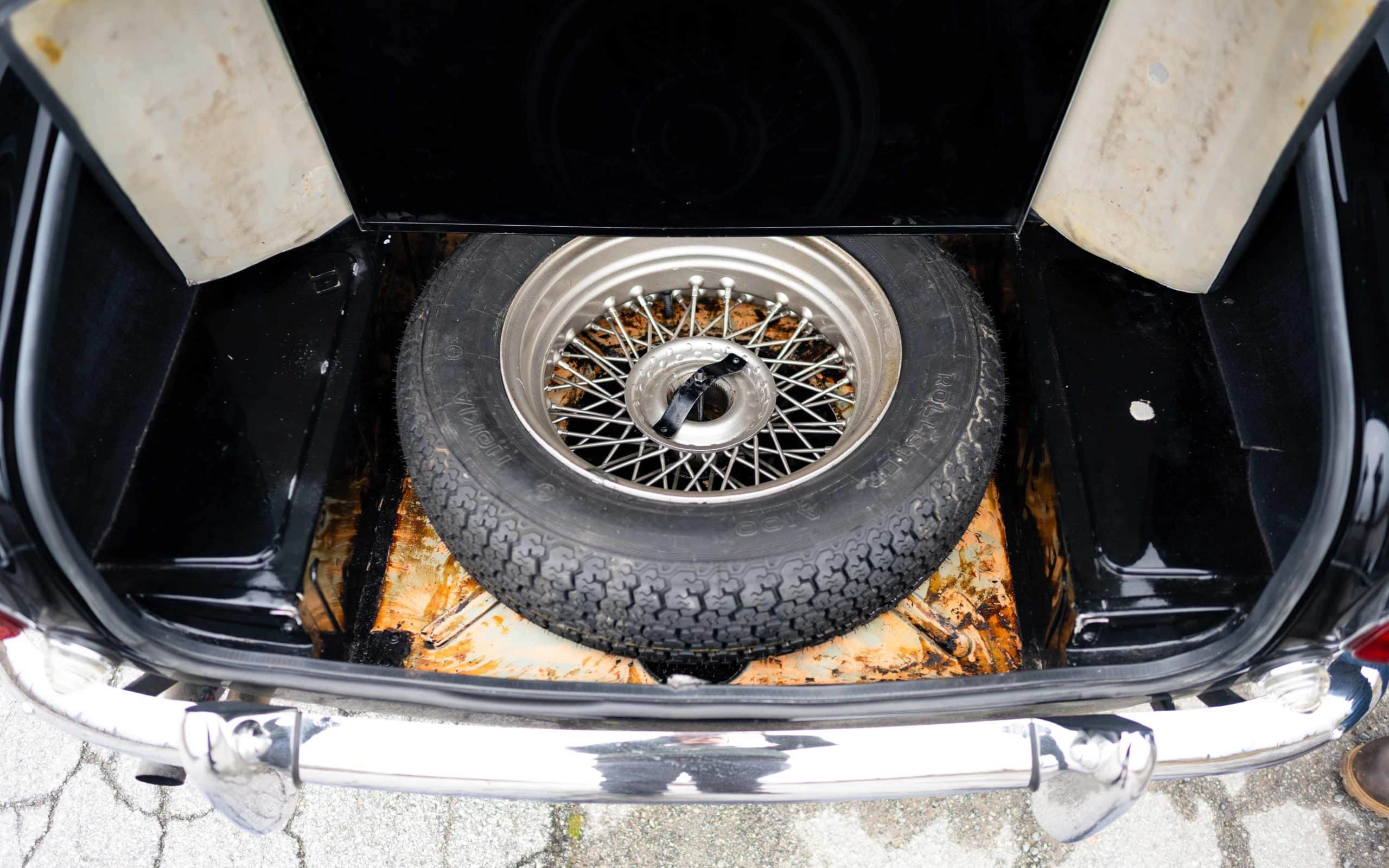
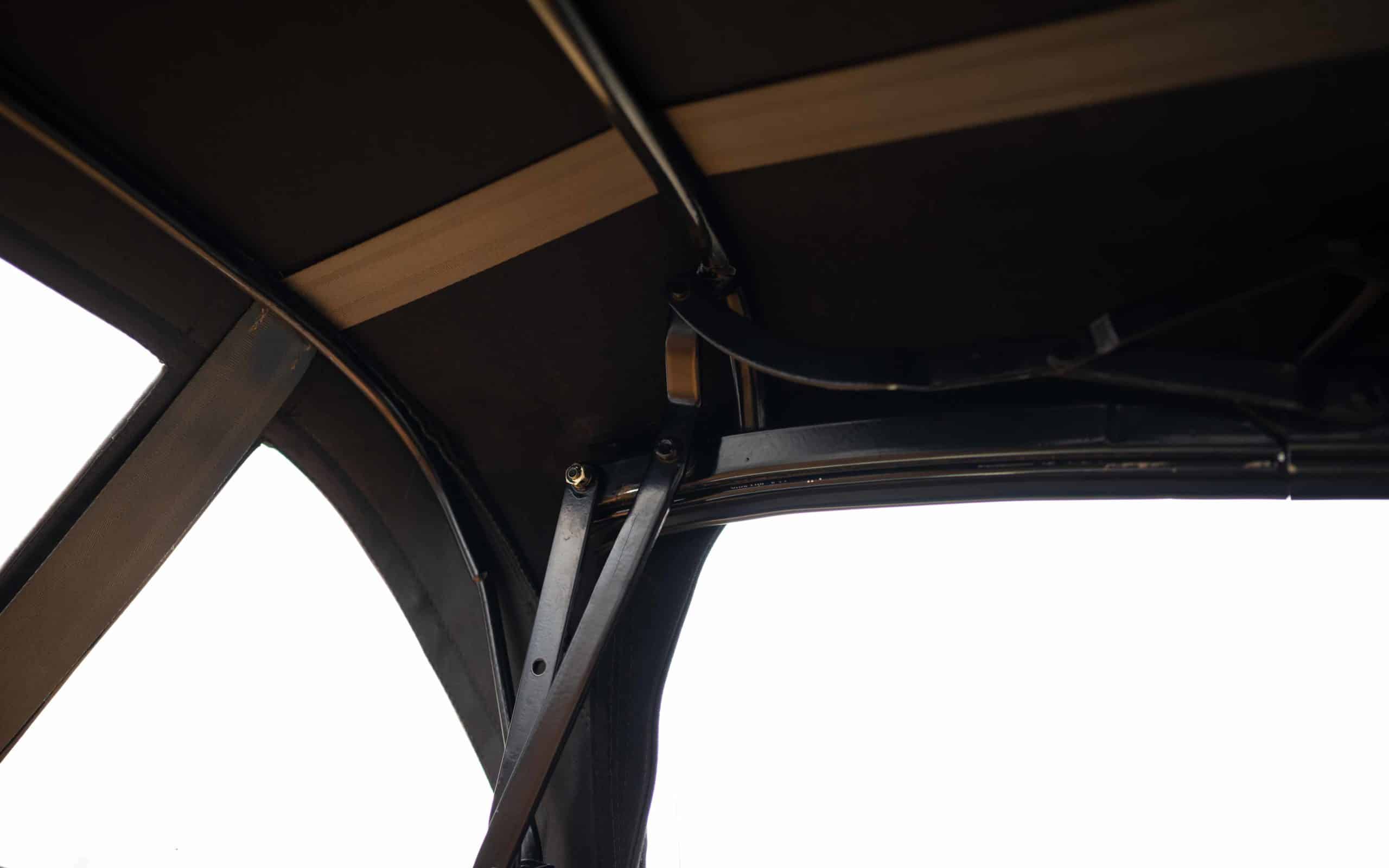
With the soft top raised the car feels snug but never claustrophobic, and many cars were ordered with the clever Surrey style hard top system which combines a fixed rear frame with a removable centre panel. Luggage space is adequate for weekend touring, helped by the relatively wide and square boot opening, and the separate chassis makes the TR250 surprisingly robust on imperfect surfaces compared with some of its contemporaries.
Position in the TR family and on today’s market
In the broader Triumph story the TR250 occupies a fascinating middle ground. It combines the prettier, more delicate TR4 bodywork with the smooth six cylinder engine that would go on to power the TR6, an evolution that many specialists consider to be one of the sweetest combinations in the whole line. It was produced for only about fifteen months, after which Triumph handed the styling brief to Karmann and introduced the more angular TR6.
For many years collectors focused on the injection fed TR5 in Europe and the TR6 more globally, leaving the TR250 in a slightly overlooked niche. That is changing. Rarity, strong parts support and the pleasant driving manners described in period road tests are pushing the model into the spotlight, especially among enthusiasts who want something more individual than a mainstream roadster but still need a car that can be driven, maintained and enjoyed regularly without drama.
A 1968 Triumph TR250 with Drive Vintage
A well sorted 1968 Triumph TR250 fits naturally into the Drive Vintage universe. It is a compact open car that invites regular use on Swiss lake roads, Jura passes or coastal routes abroad. The straight six makes the right sounds without ever becoming tiring on a long itinerary. The chassis is communicative without being harsh and the modest footprint means the car feels light and agile on narrow European roads where more modern sports cars can feel oversized.
For an owner the appeal lies in character and usability. The TR250 is simple enough mechanically that specialist garages and parts suppliers can keep it in excellent health, yet special enough in production numbers and history to stand out at events, rallies or casual gatherings. A nice example, correctly set up and preserved, delivers exactly what many enthusiasts search for today: a car that offers a period driving experience without sacrificing reliability or comfort.
In the context of a curated collection the Triumph TR250 also plays an interesting role. It bridges British and continental tastes, connects four cylinder TR ancestry to the more muscular TR6 era and tells a clear story about emission regulations and market differences in the late sixties. For Drive Vintage, a 1968 TR250 is the sort of car that can leave the garage for a spontaneous evening drive, a weekend rally or a longer tour across borders with equal ease, while remaining a talking point every time it is parked.


SPECIFICATIONS
NUMBER PRODUCED
8,484 units
DATE OF DELIVERY
1967-1968
CHASSIS TYPE
Steel ladder frame chassis with separate body, independent front and independent rear suspension with coil springs
LENGTH
4040 mm
WIDTH
1470 mm
HEIGHT
1270 mm
WEIGHT
1060 kg
ENGINE
2.5 litre inline six cylinder
POWER
111 hp @ 4 500 rpm
TORQUE
152 Nm @ 3,500 rpm
0-60 MPH
10.6 seconds
TOP SPEED
176 km/h


GALLERY