LEXUS
LEXUS
LFA
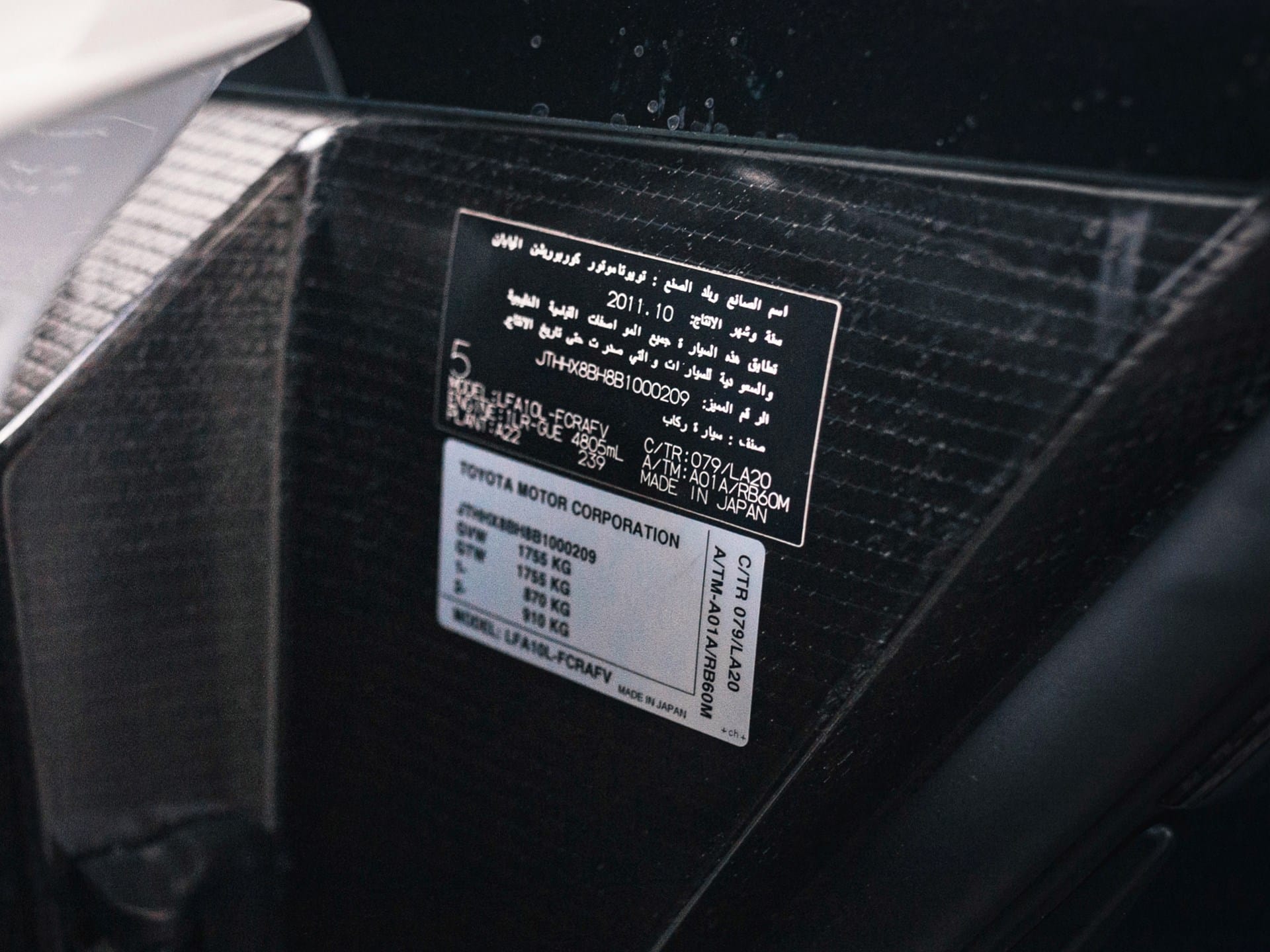
JTHHX8BH8B1000209
JTHHX8BH8B1000209
2011 Lexus LFA: the supercar that made Japan lose its mind
There are many fast cars in this world. There are many expensive cars. There are many cars that arrive wrapped in carbon fibre, marketing slogans, and the usual nonsense about precision, passion, and racing DNA. Then there is the LFA. And the LFA is different.
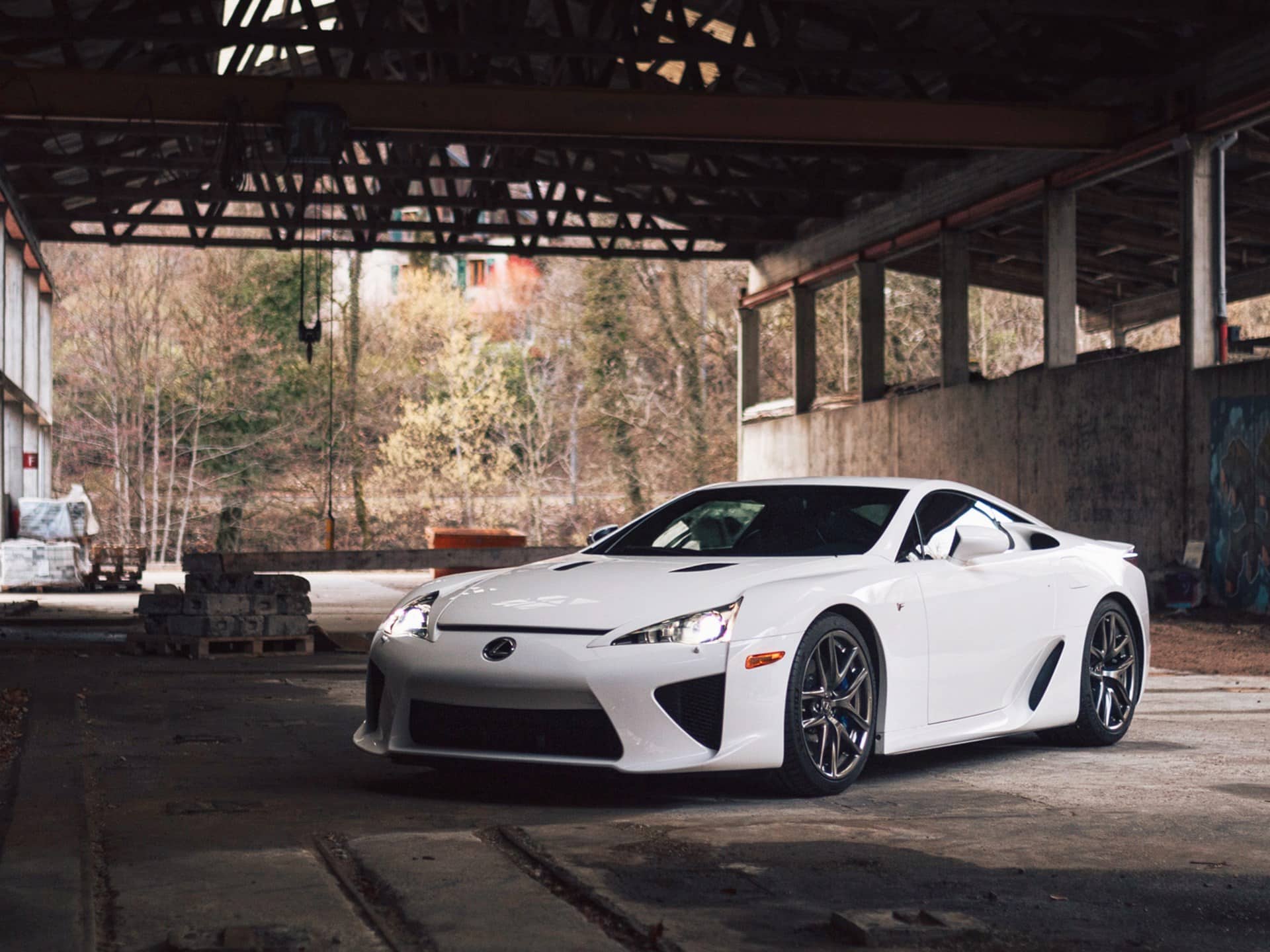
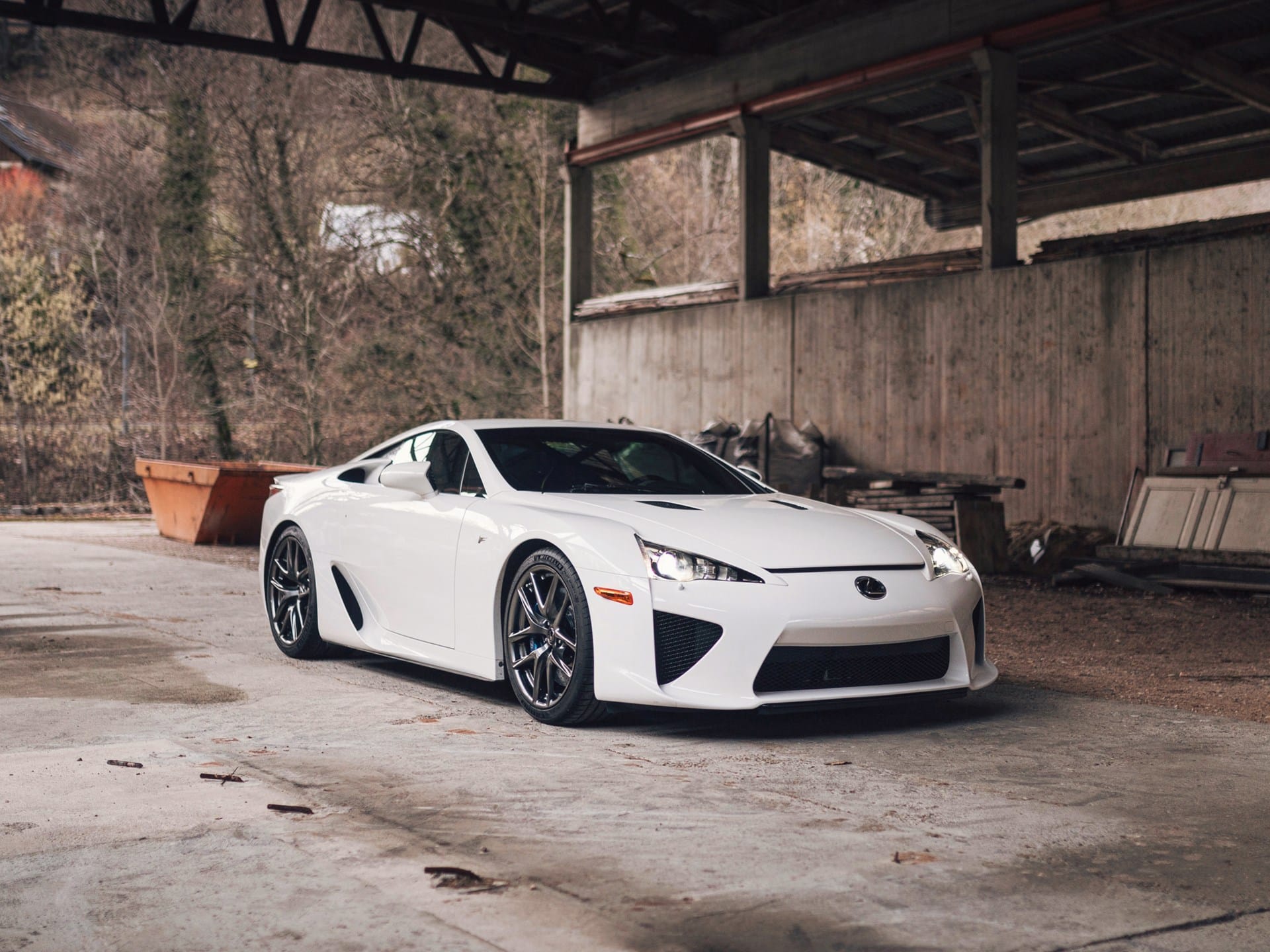
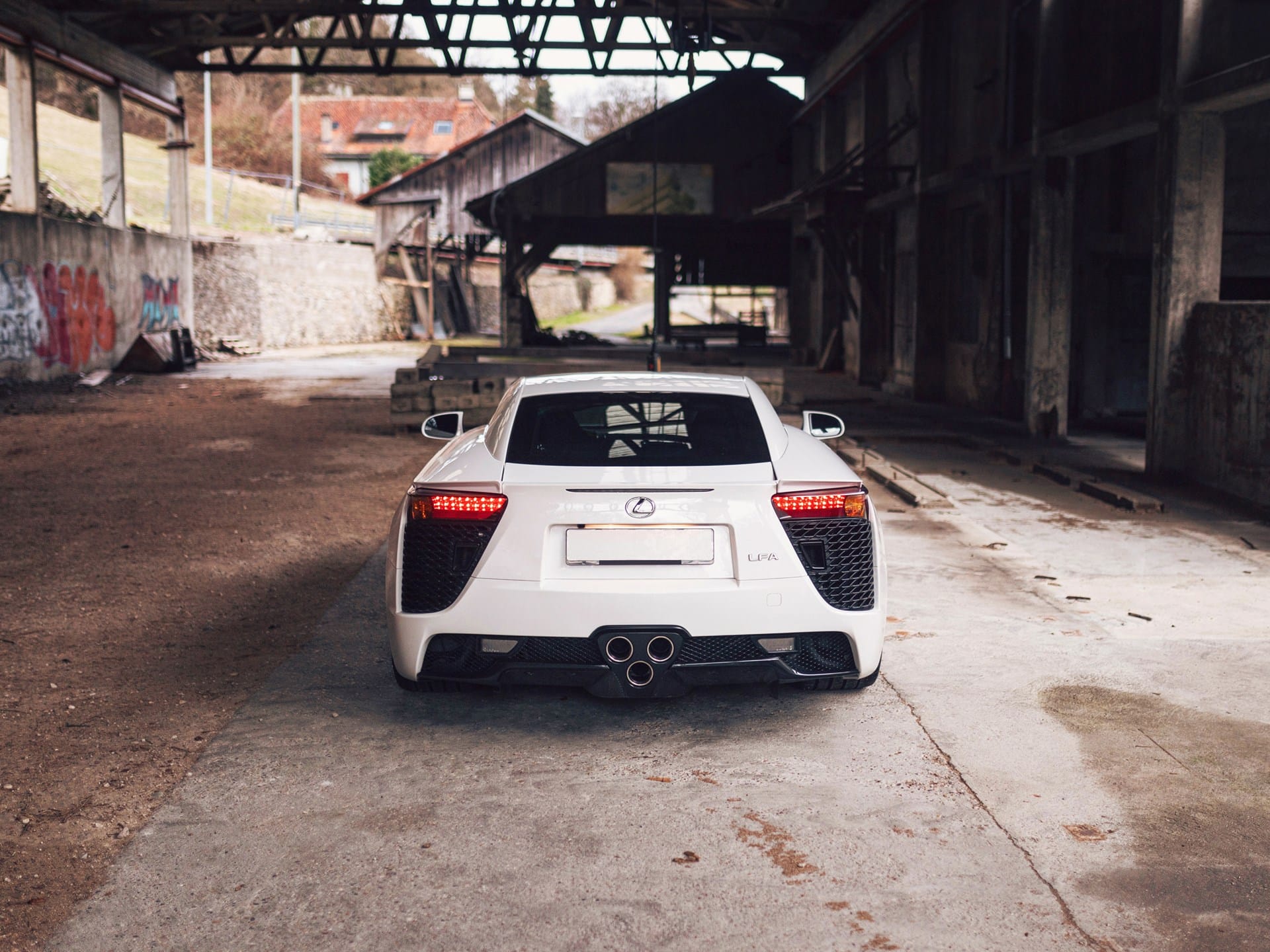
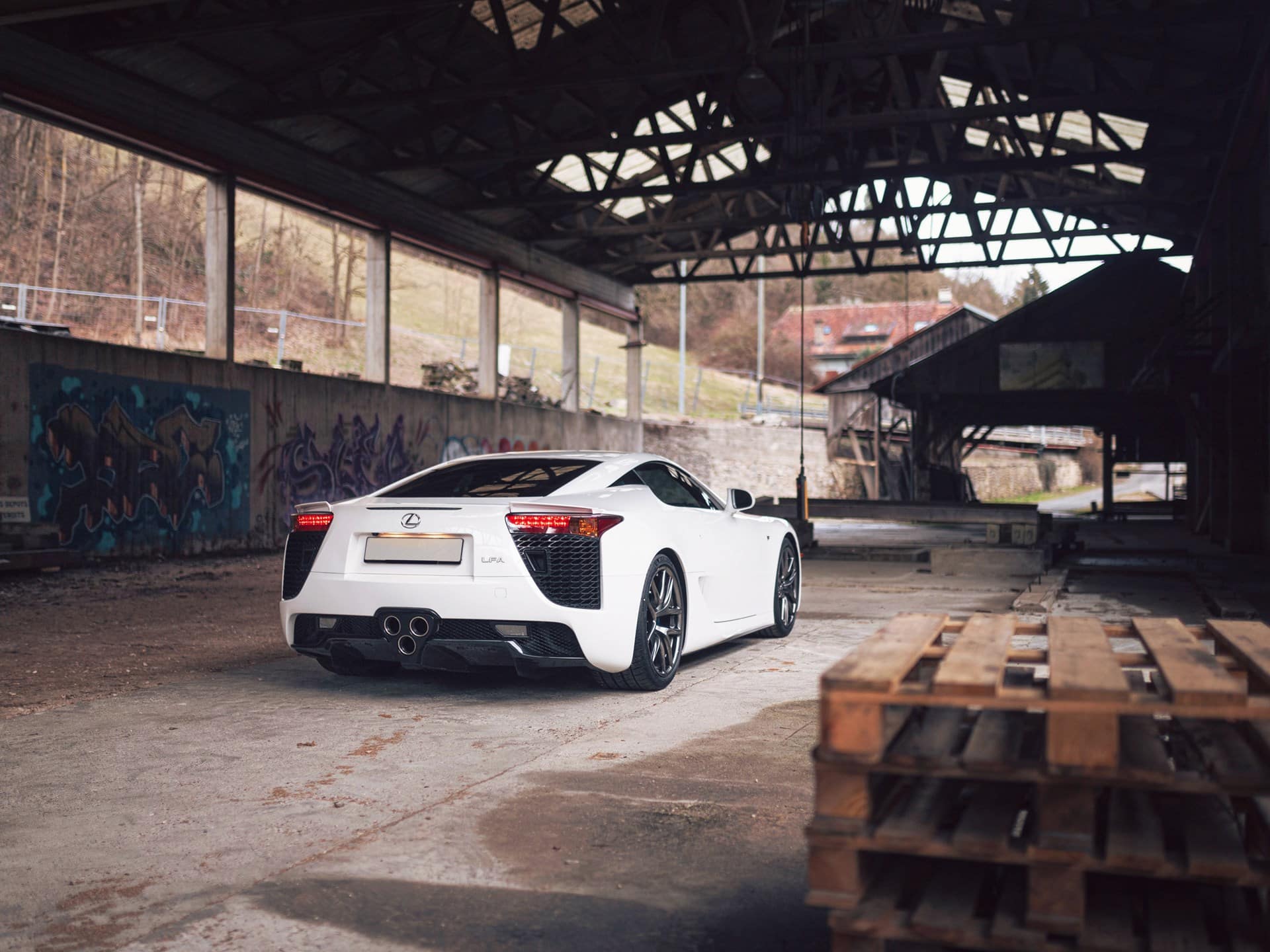
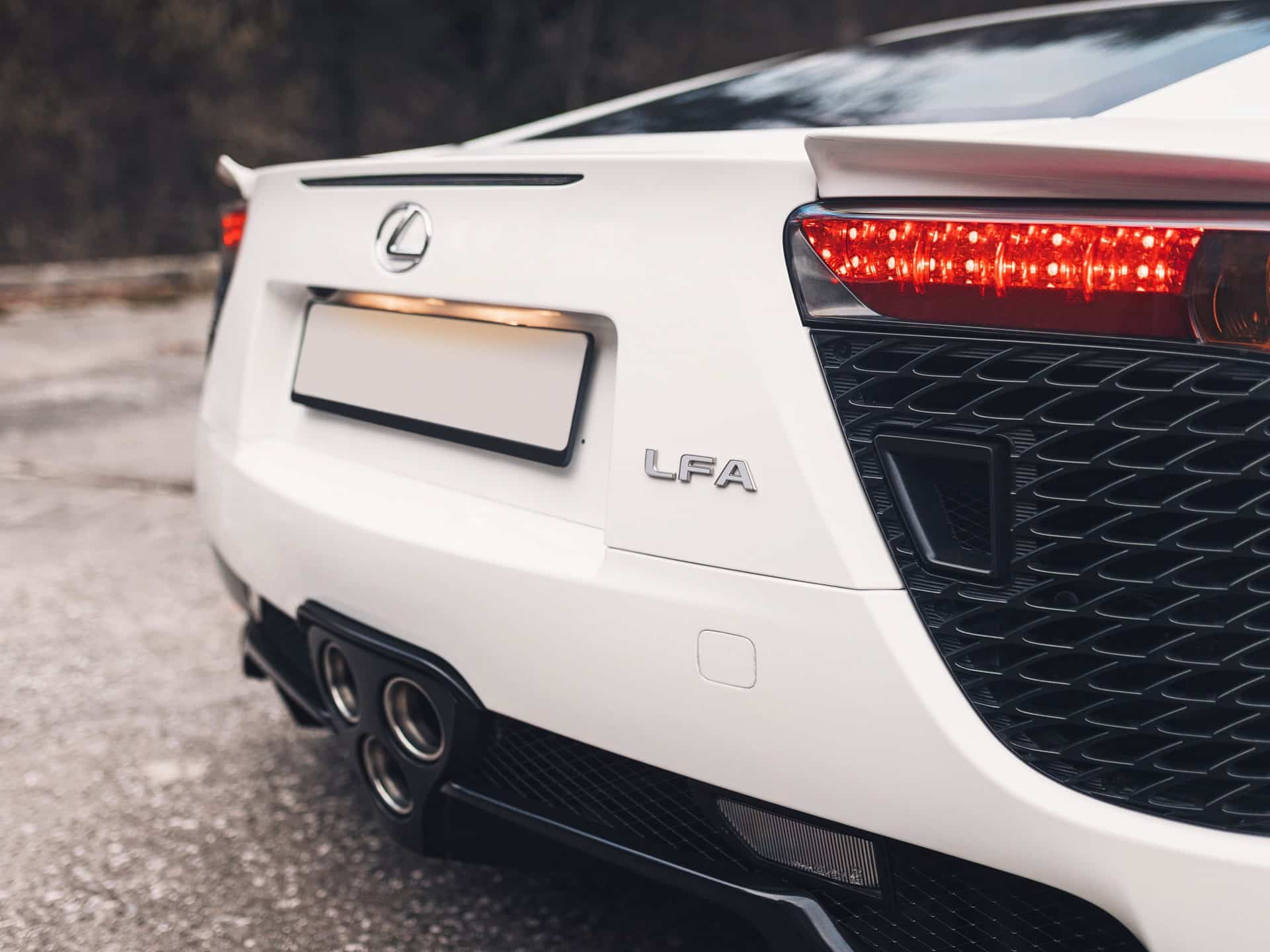
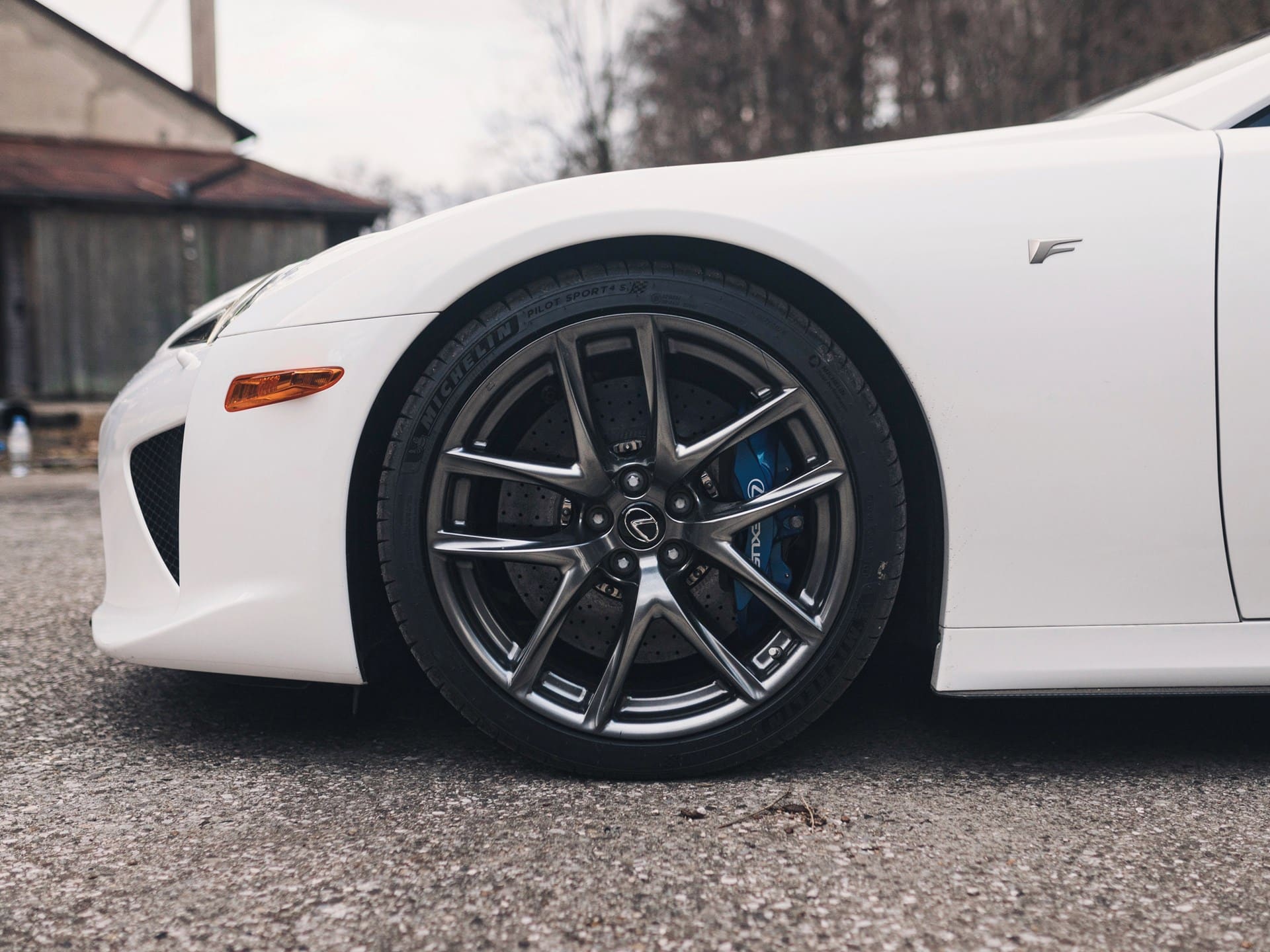
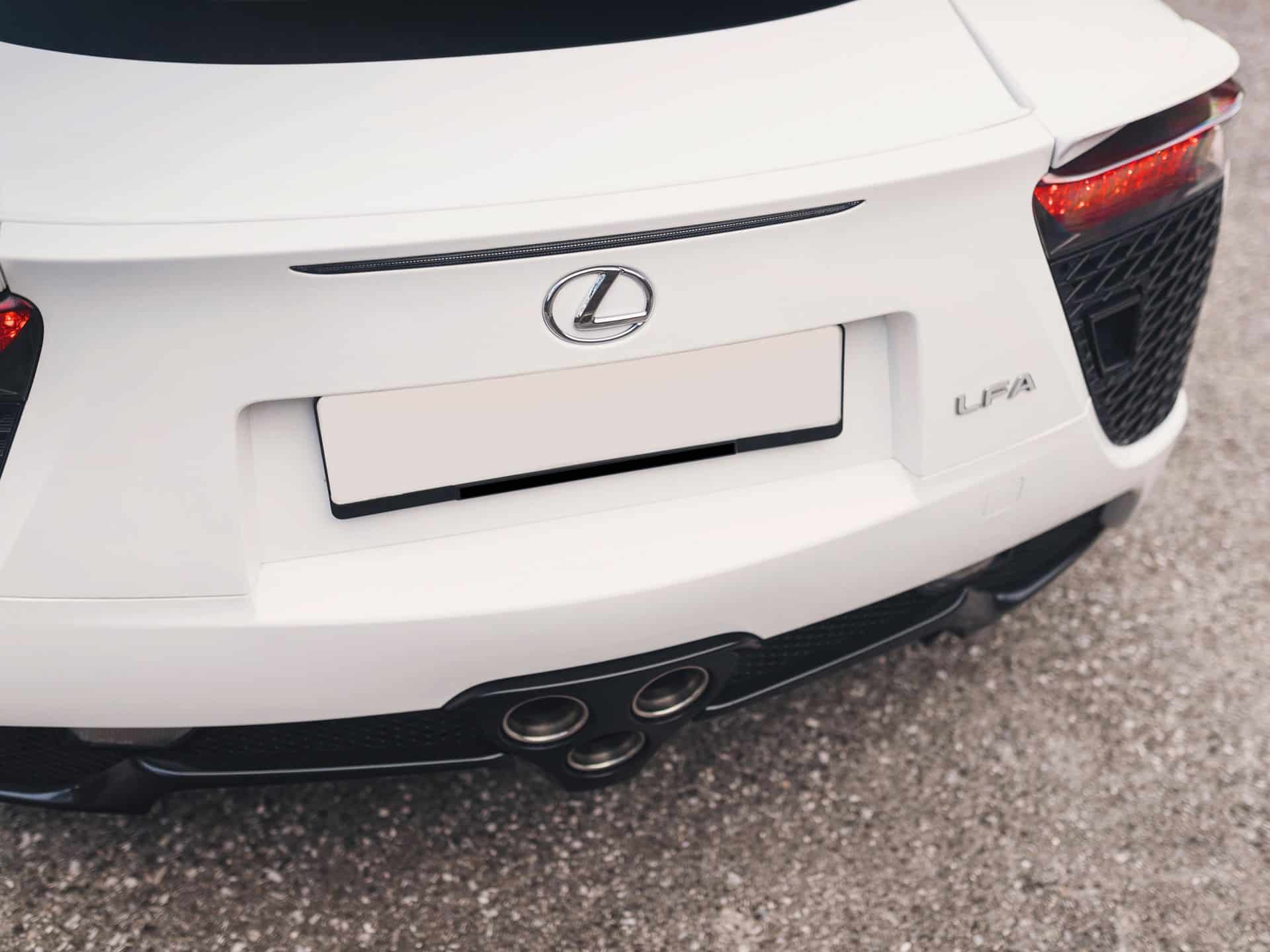
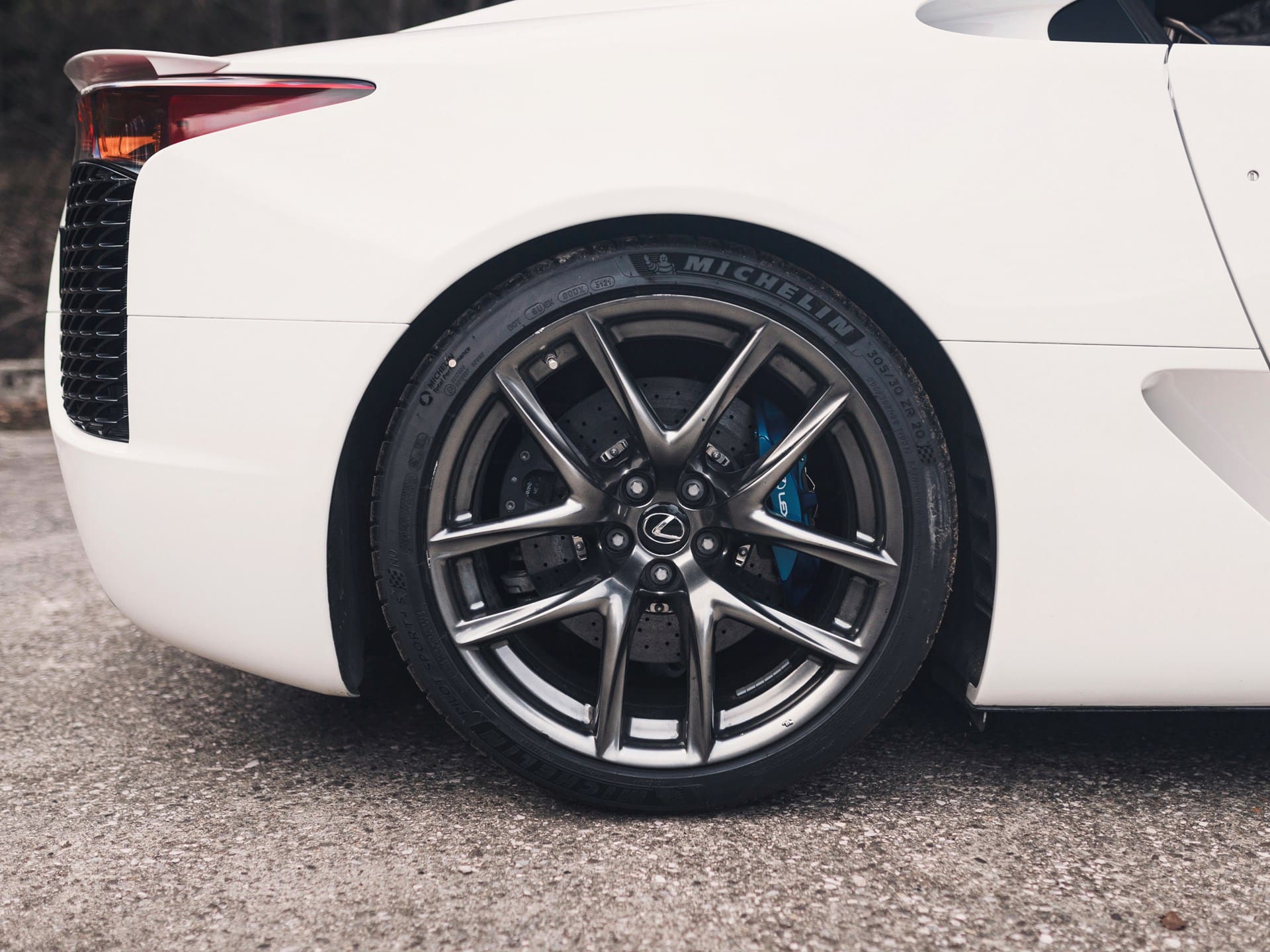
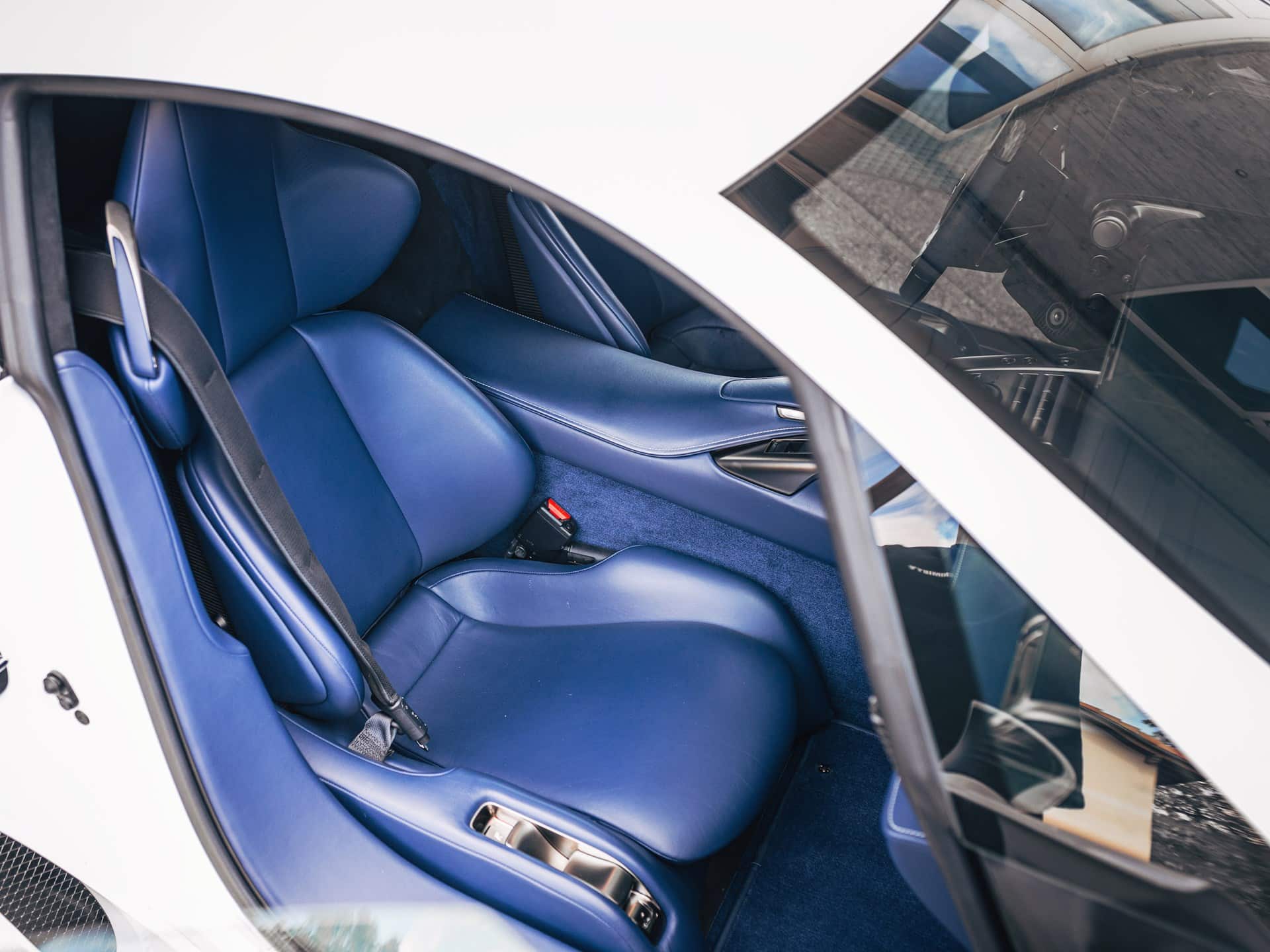
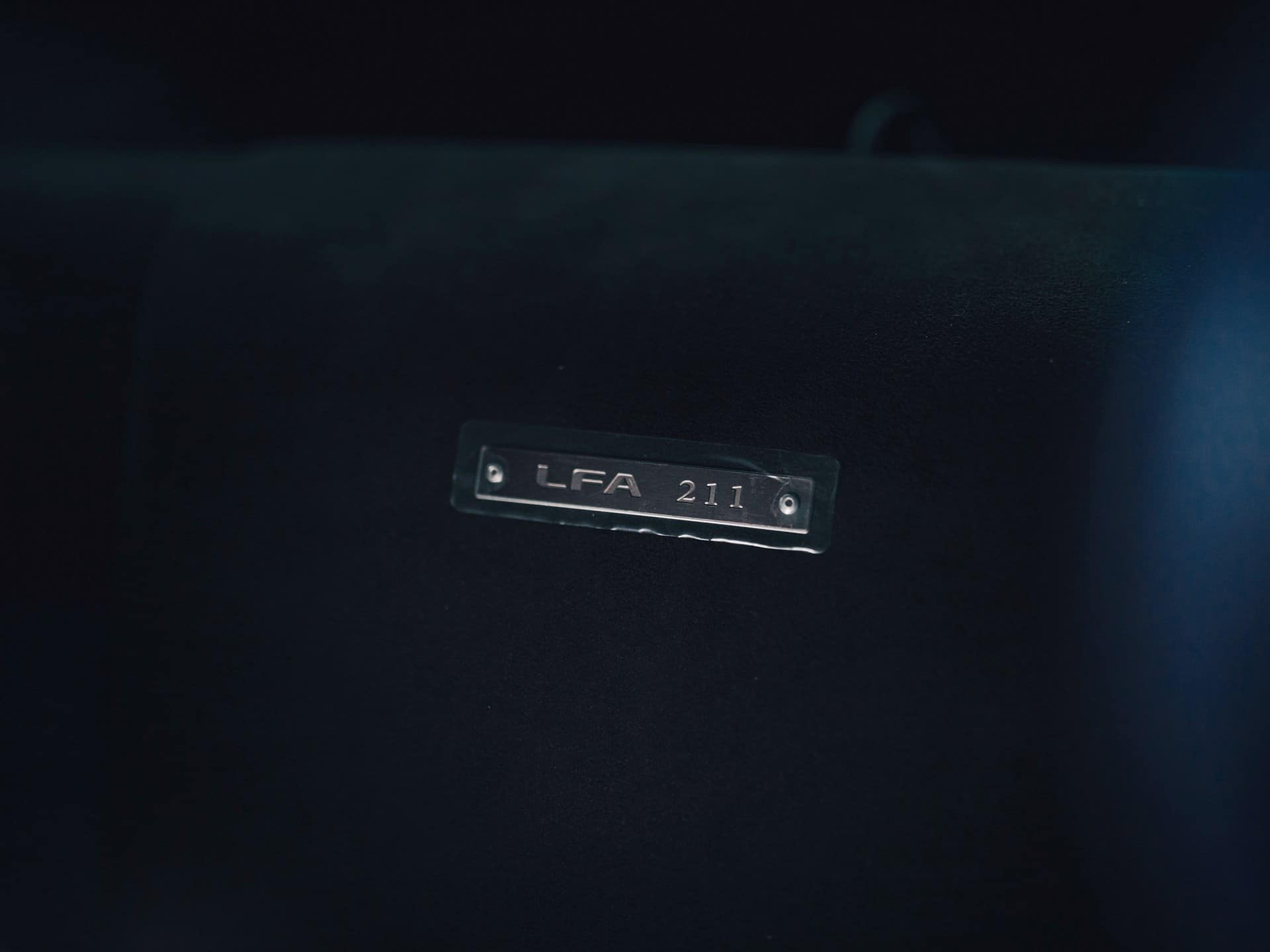
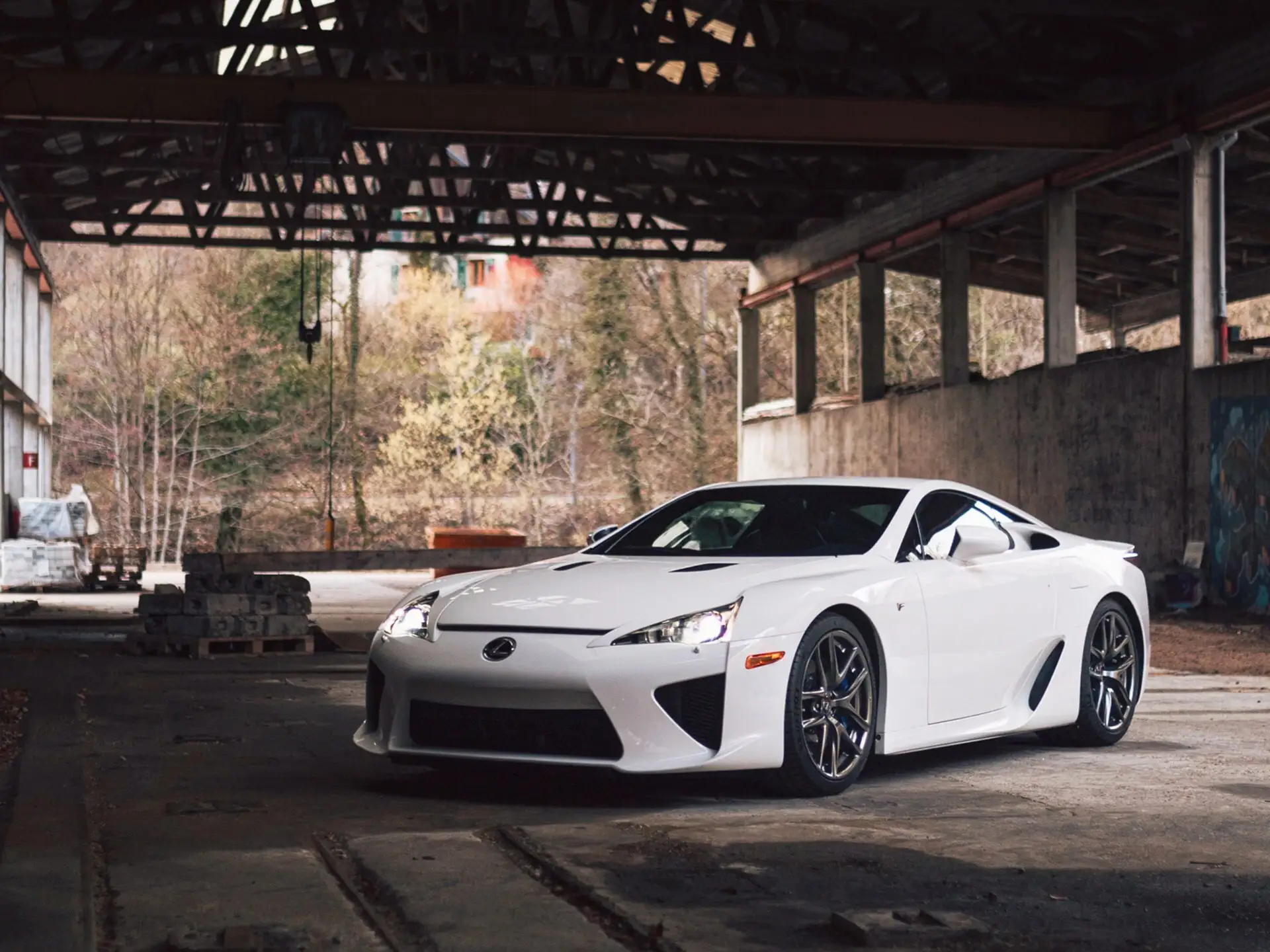
Because the 2011 LFA was not built to join the supercar club politely. It was built to walk into the room, throw a chair through the window, and remind Europe that Japan can do obsession better than almost anyone. Lexus made just 500 of them. This particular LFA is number 211, finished in Whitest White over a Blue leather interior, and it is one of those cars that feels almost too unhinged, too expensive, too over engineered, and too gloriously unnecessary to exist at all. Which is precisely why it matters.
The reason the LFA still feels special is simple. Lexus did not build a machine around a spreadsheet. It built one around an idea. What if a luxury brand known for silence, restraint, and bulletproof reliability decided to create a front mid engined V10 supercar with a carbon fibre structure, a screaming 9,000 rpm red line, a six speed automated sequential gearbox, and an exhaust note so outrageous it sounds less like a car and more like a mechanical opera? The answer was the LFA, and the answer was magnificent.
Why the LFA still matters
The LFA matters because it was never supposed to happen in the first place. Lexus had already mastered luxury, refinement, and quality. It had no natural reason to produce a halo car designed to fight Ferrari, Lamborghini, Porsche, and Mercedes on emotional ground. That was the madness of it. The LFA was an act of ambition, not necessity.
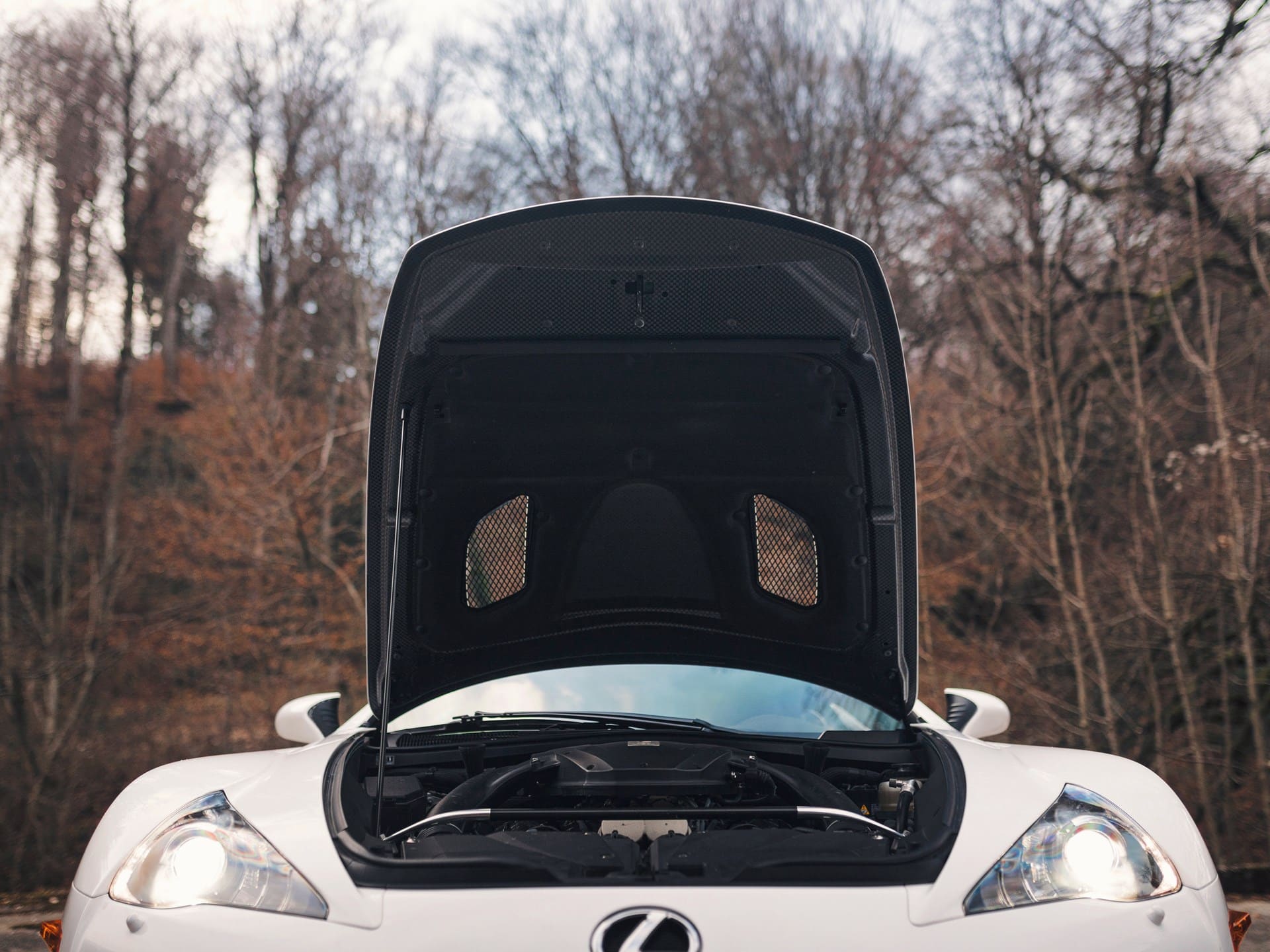
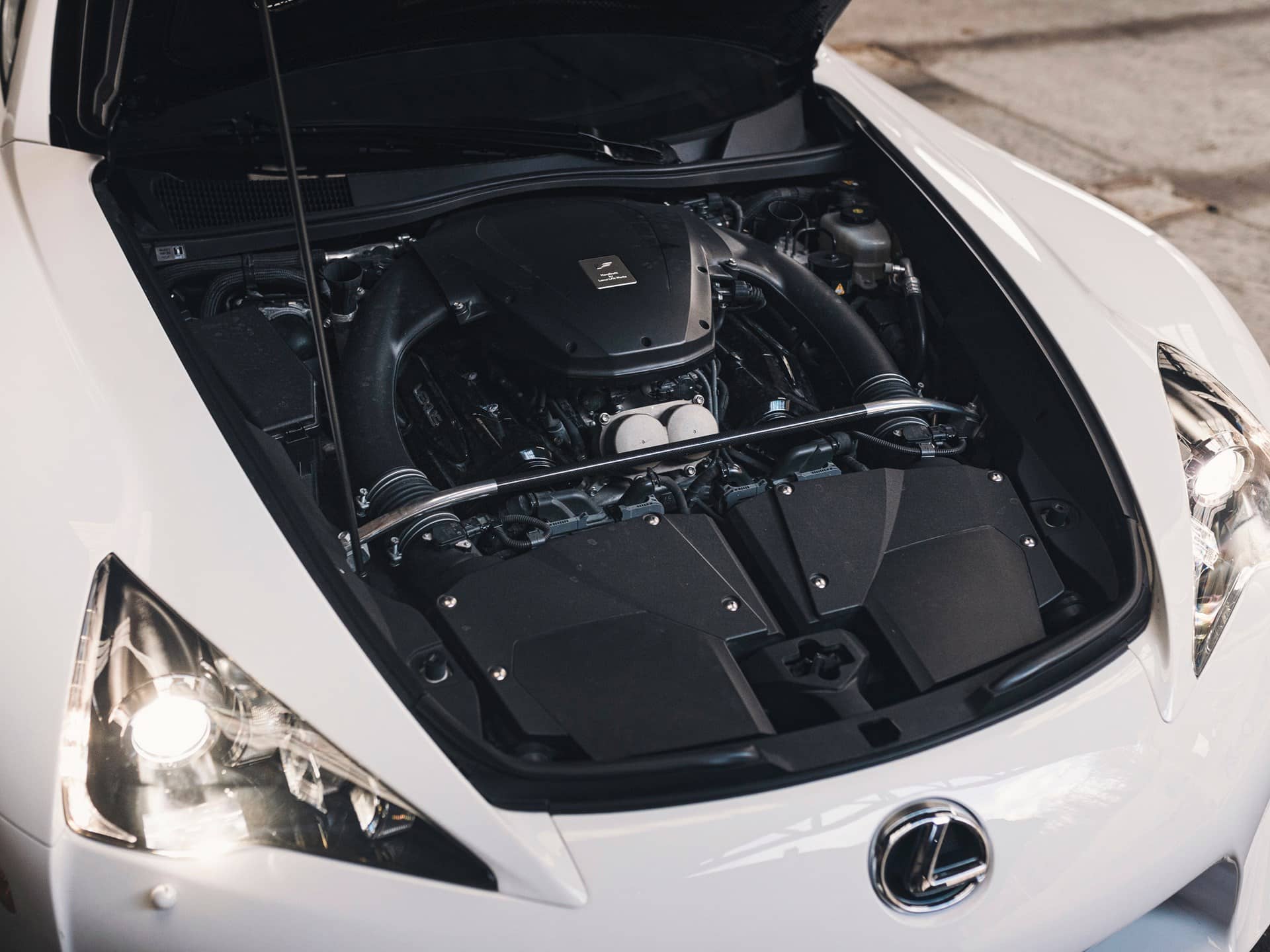
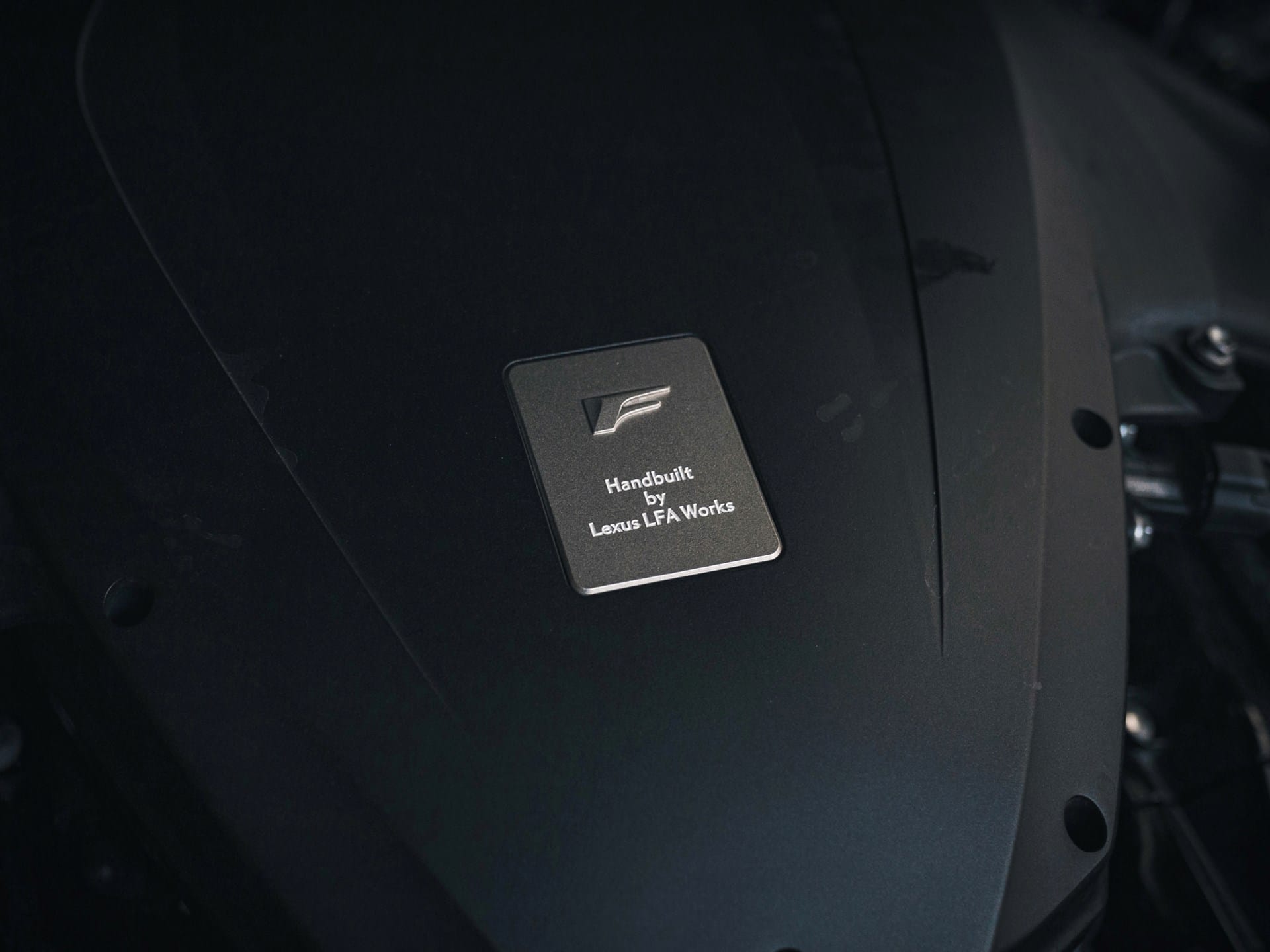
And because it was born from ambition, the LFA did not take the easy route. Lexus developed a bespoke 4.8 litre naturally aspirated V10, mounted it in a front mid position, sent power to the rear wheels through a rear transaxle, and used Carbon Fibre Reinforced Plastic extensively in the structure and bodywork. The result was not merely a Lexus that happened to be fast. It was a deeply serious supercar with its own identity, its own engineering logic, and its own unmistakable voice.
That is the key point. The LFA was not a Japanese imitation of an Italian idea. It was a Japanese supercar done the hard way, with almost absurd attention to detail.
This 2011 LFA: number 211 of 500
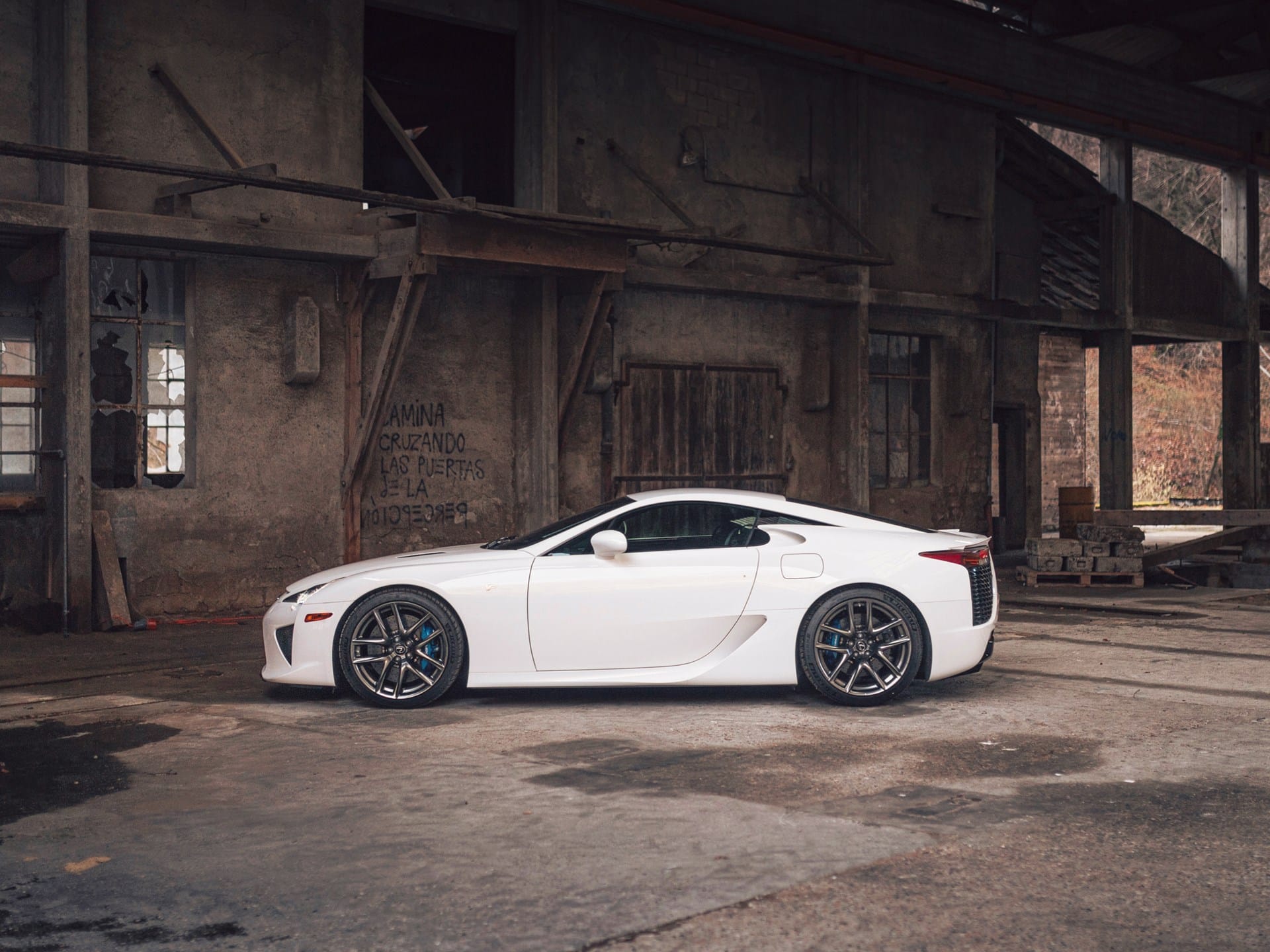
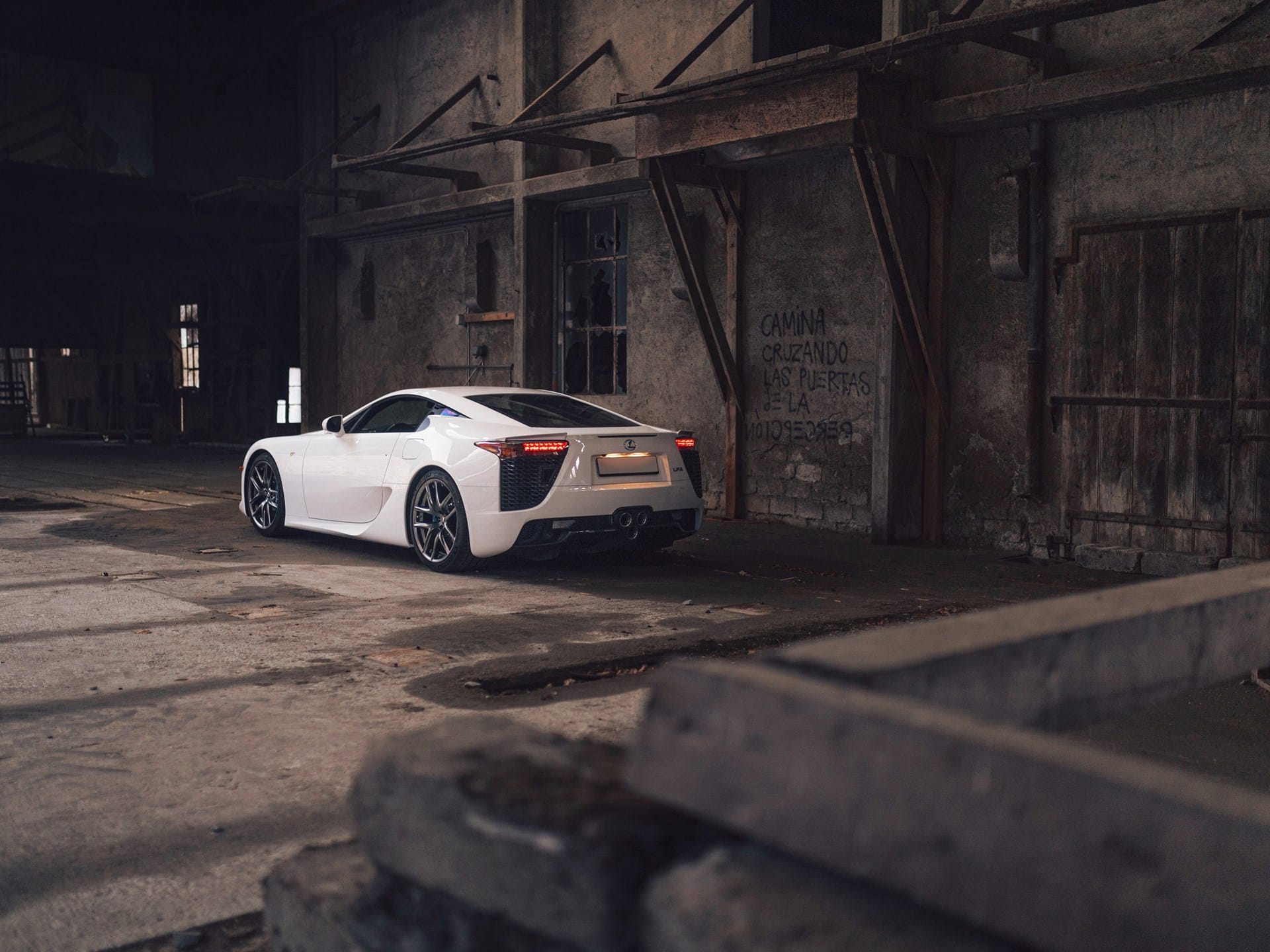
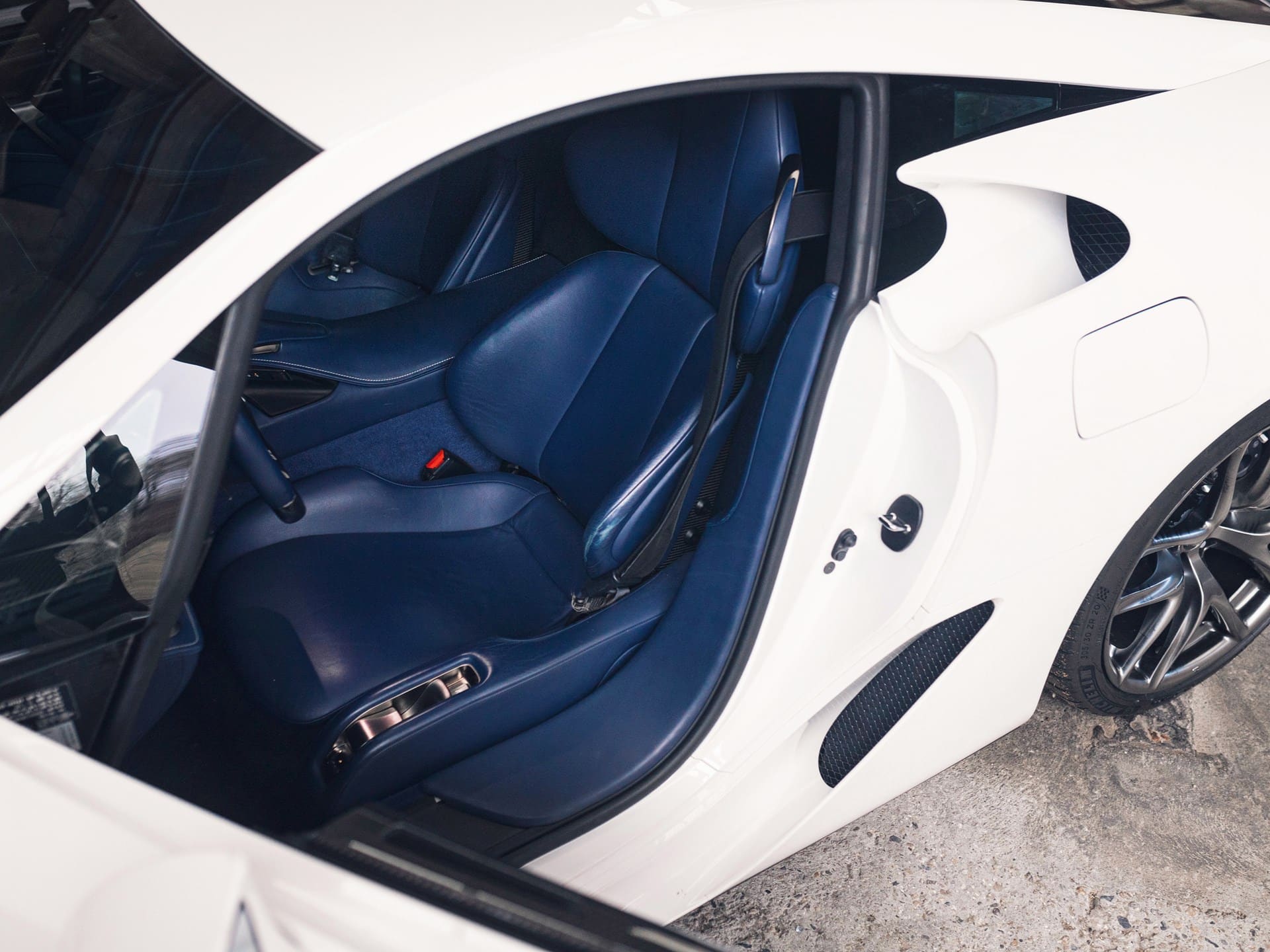
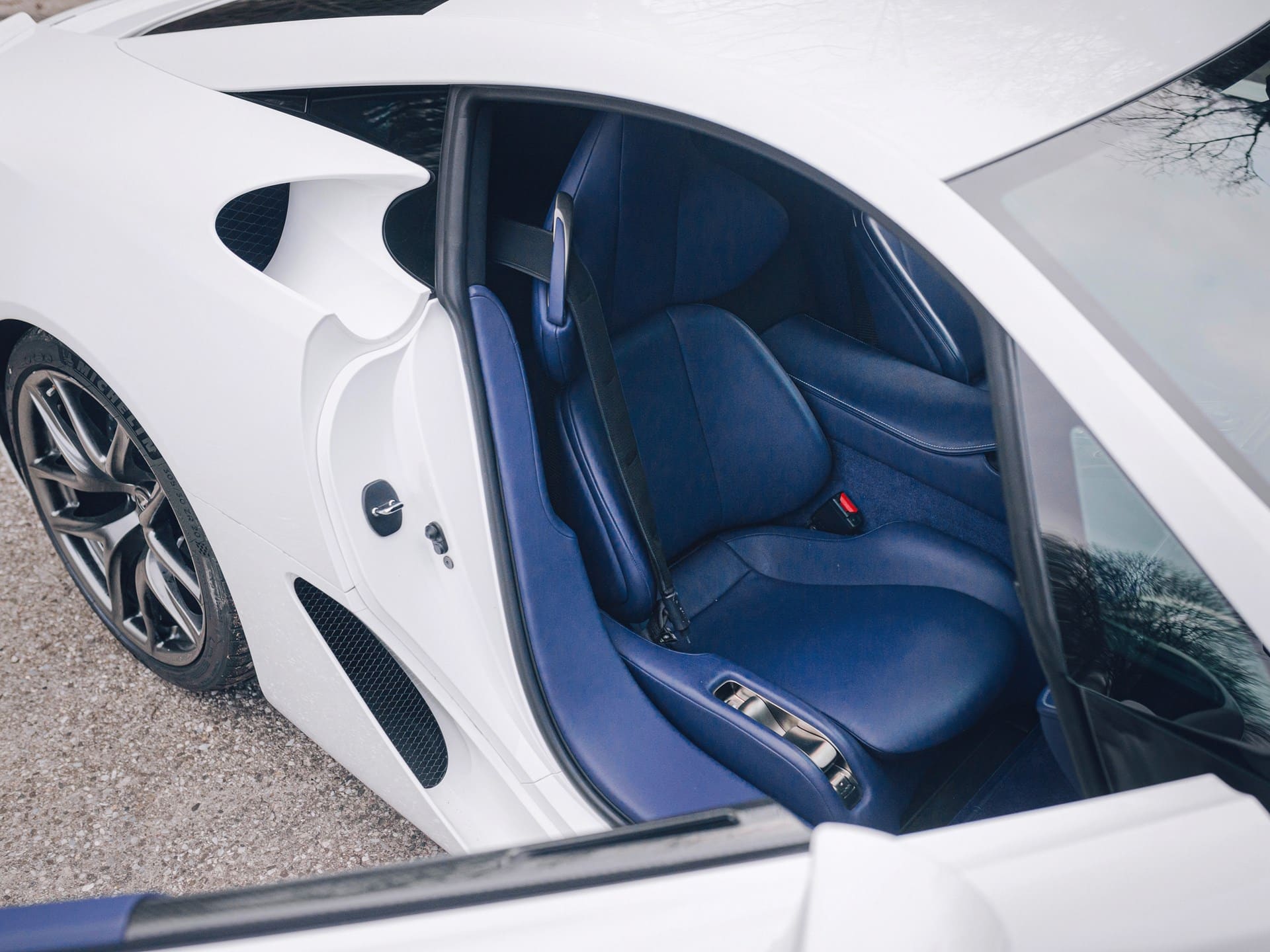
What elevates this particular LFA even further is its specification. According to RM Sotheby’s, this car is serial number 211 of the 500 total LFAs produced between 2010 and 2012, finished in Whitest White over a Blue leather interior. RM Sotheby’s also notes that it is one of just 44 left hand drive examples in Whitest White, and that it was completed in November 2011 for the Middle East market.
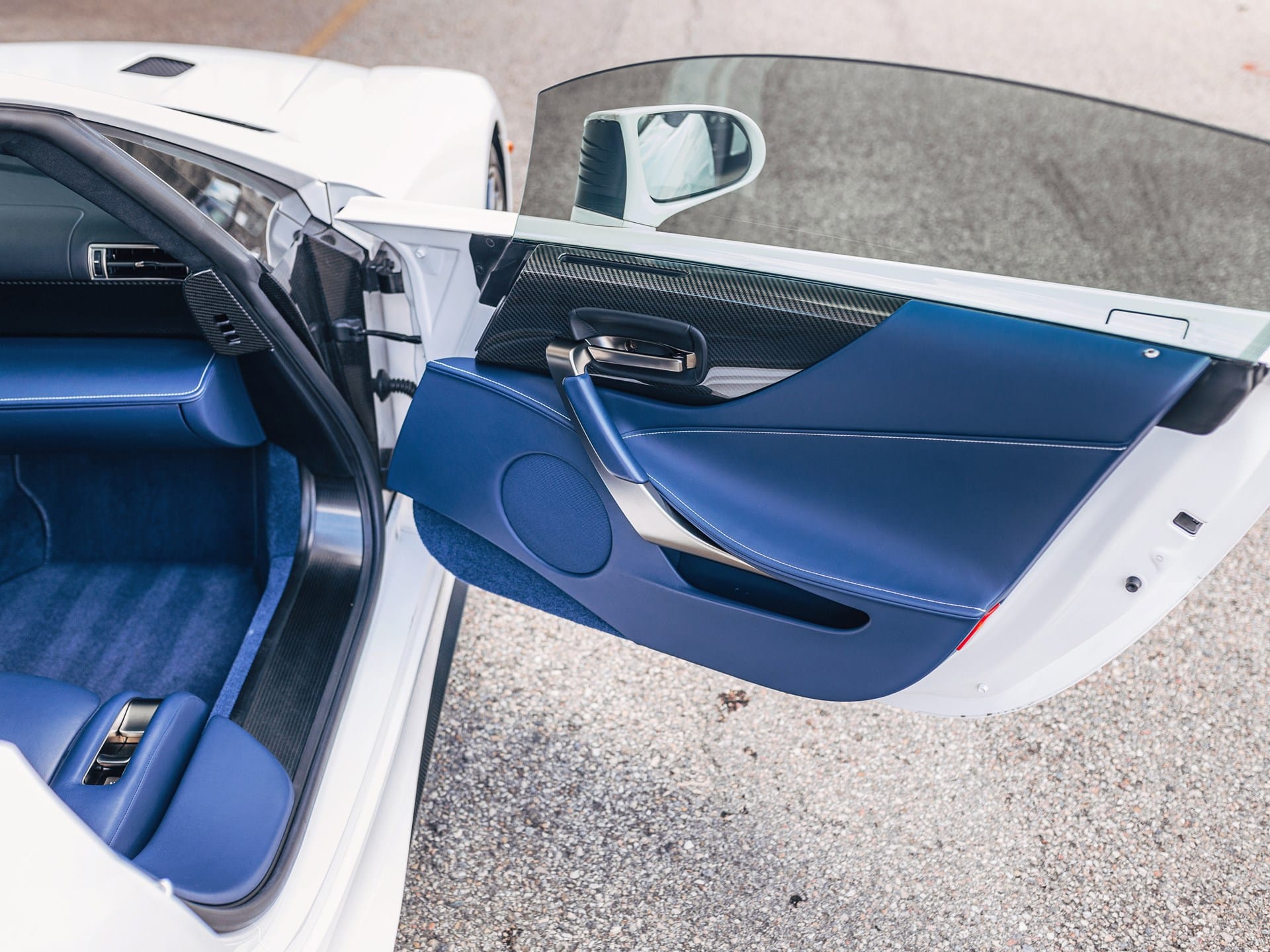
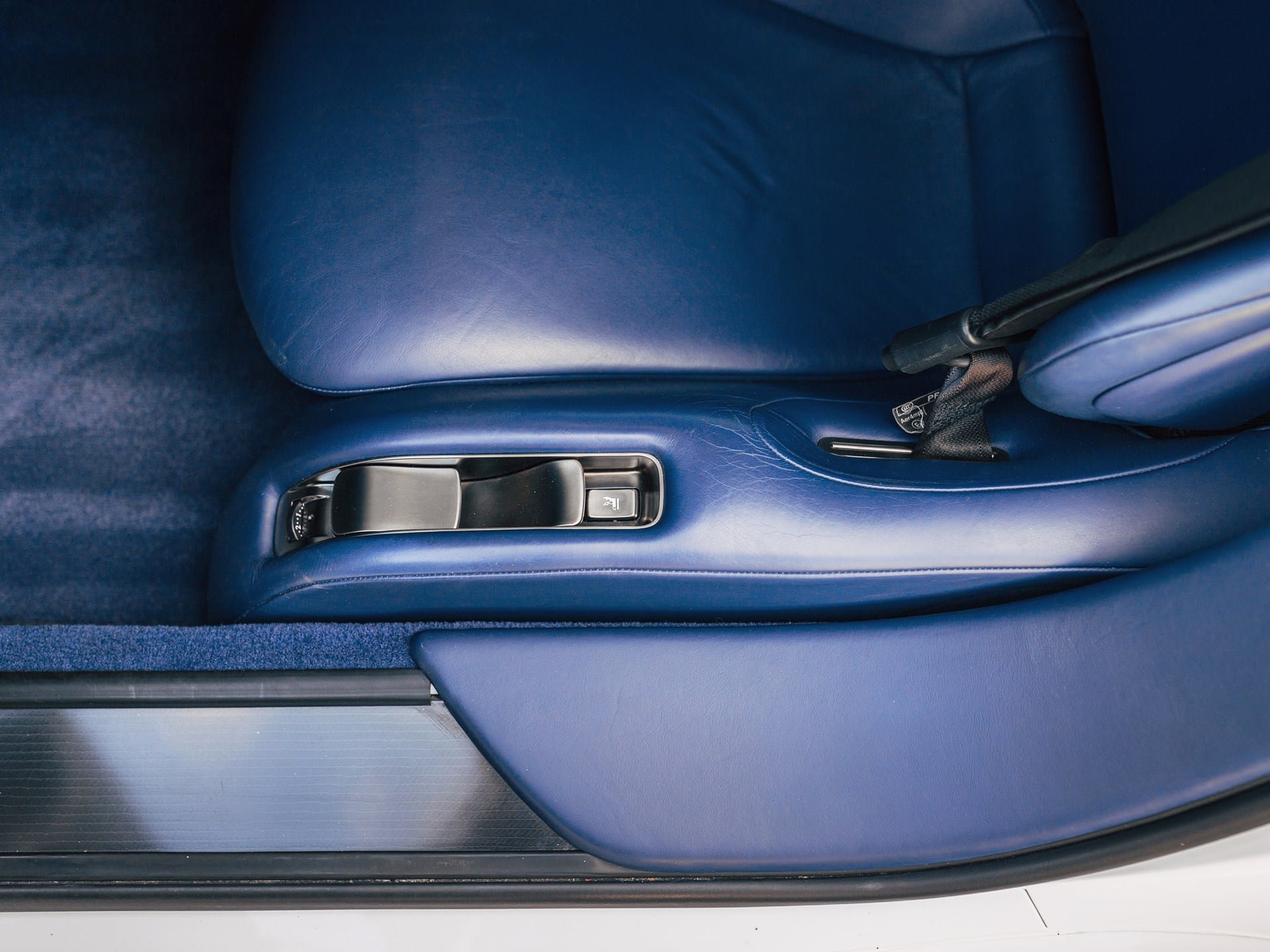
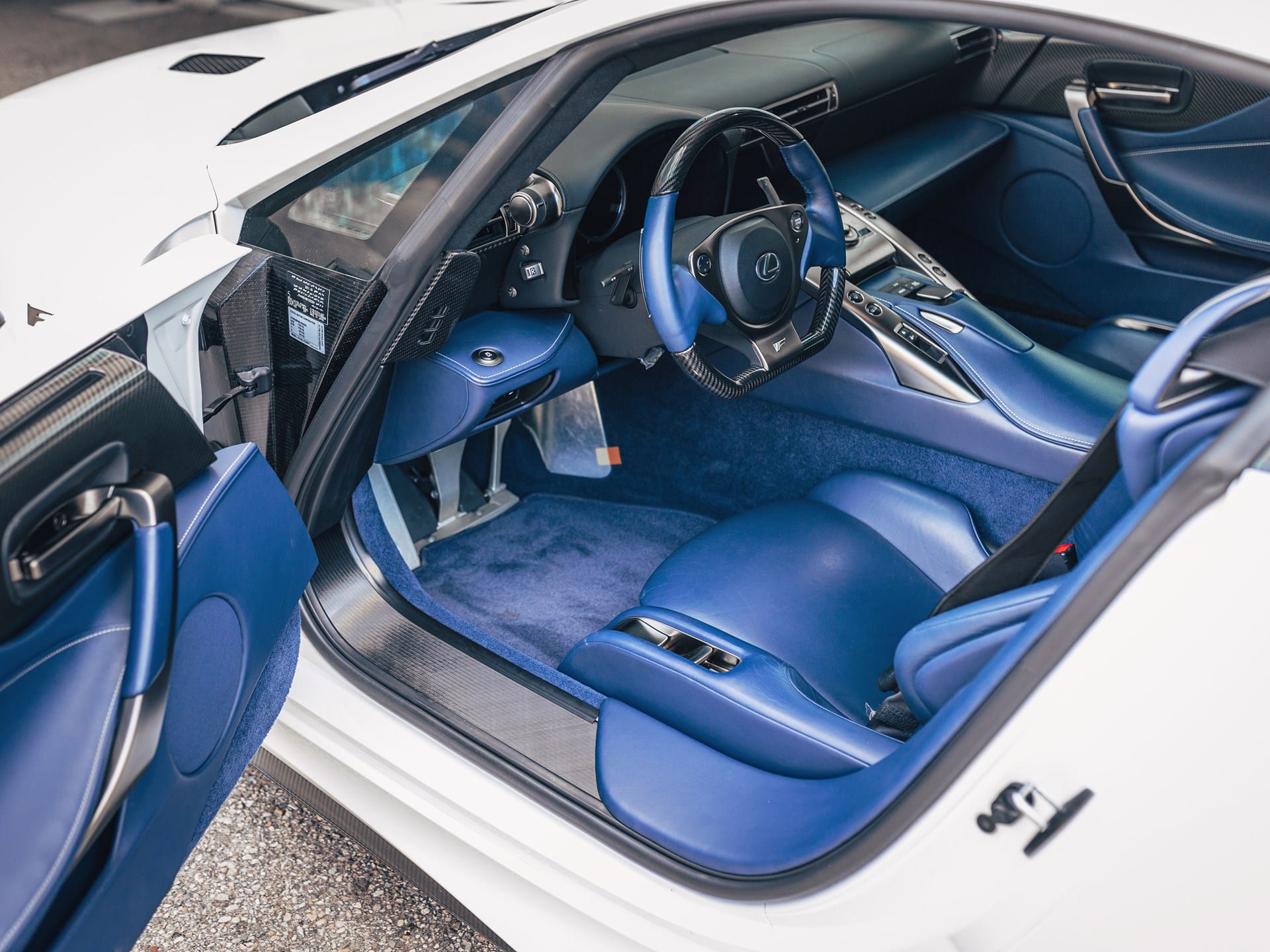
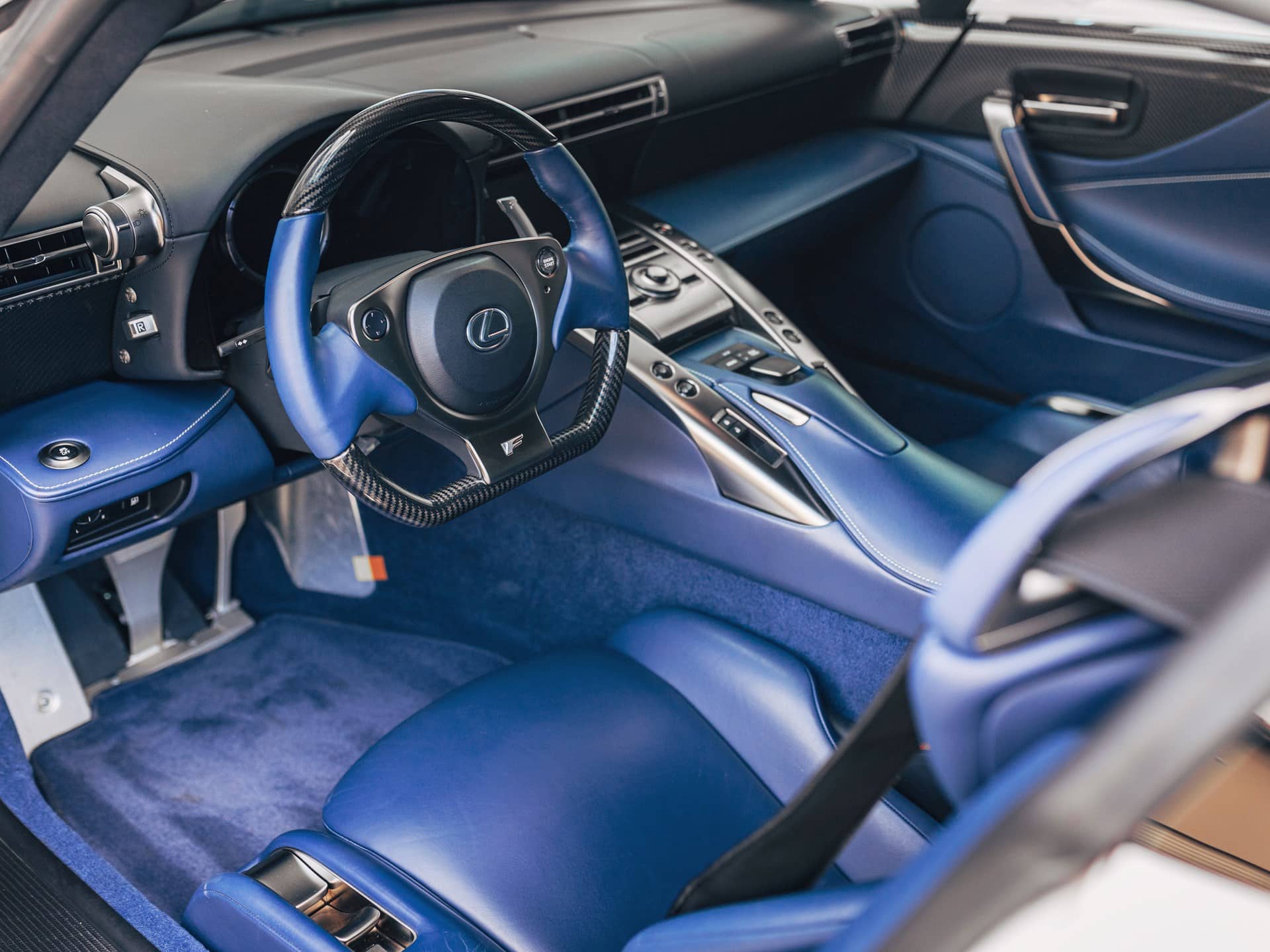
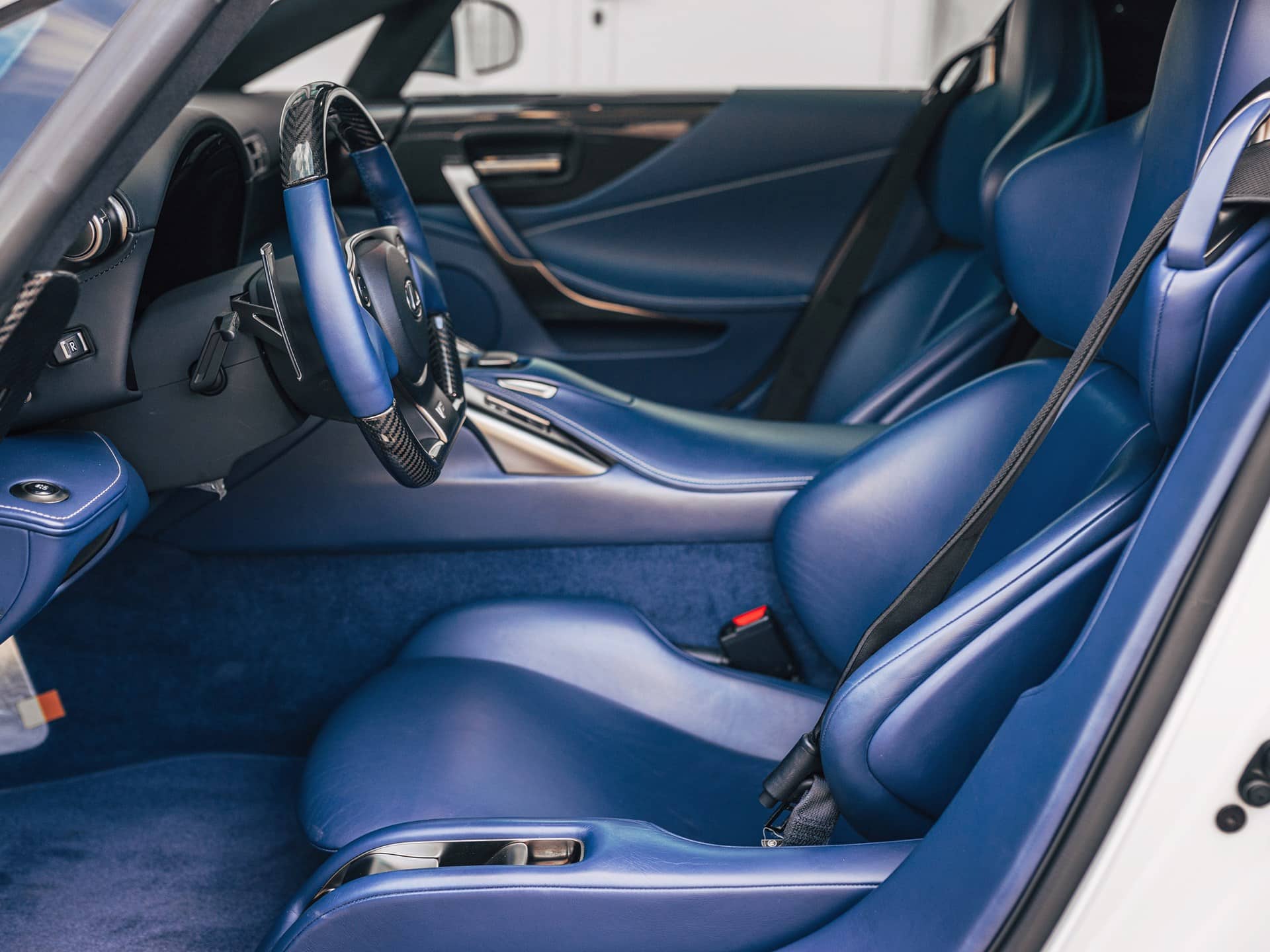
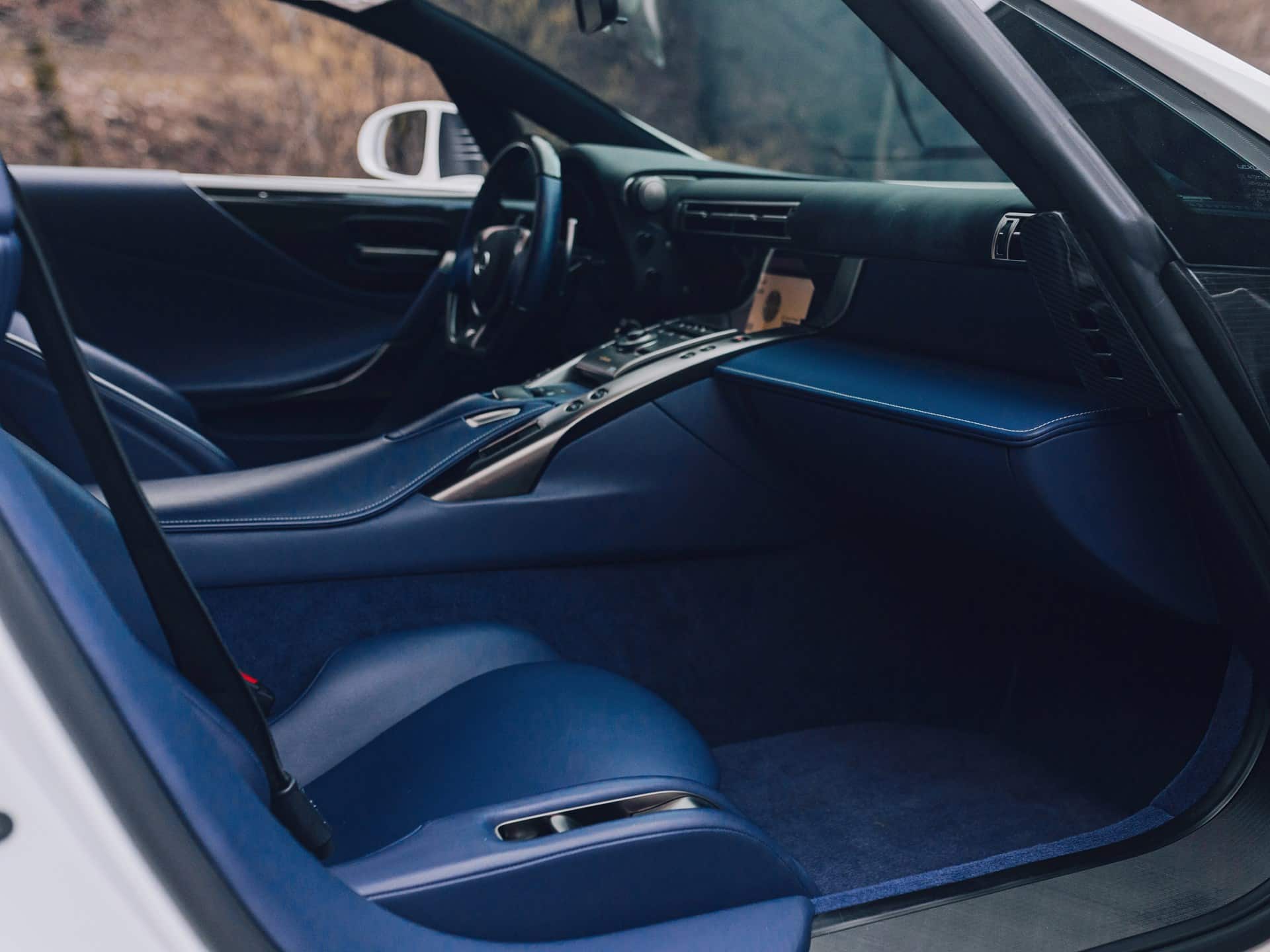
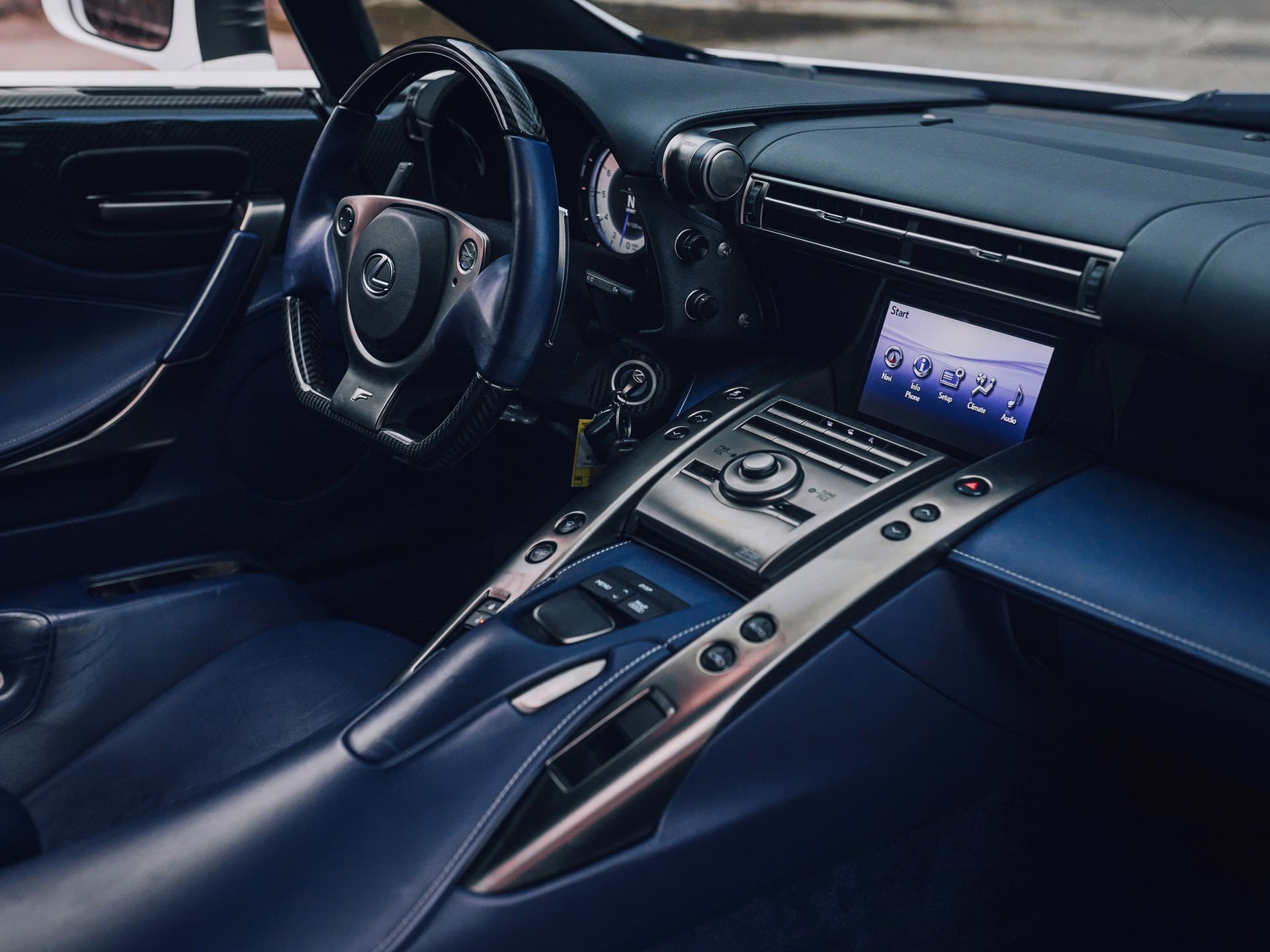
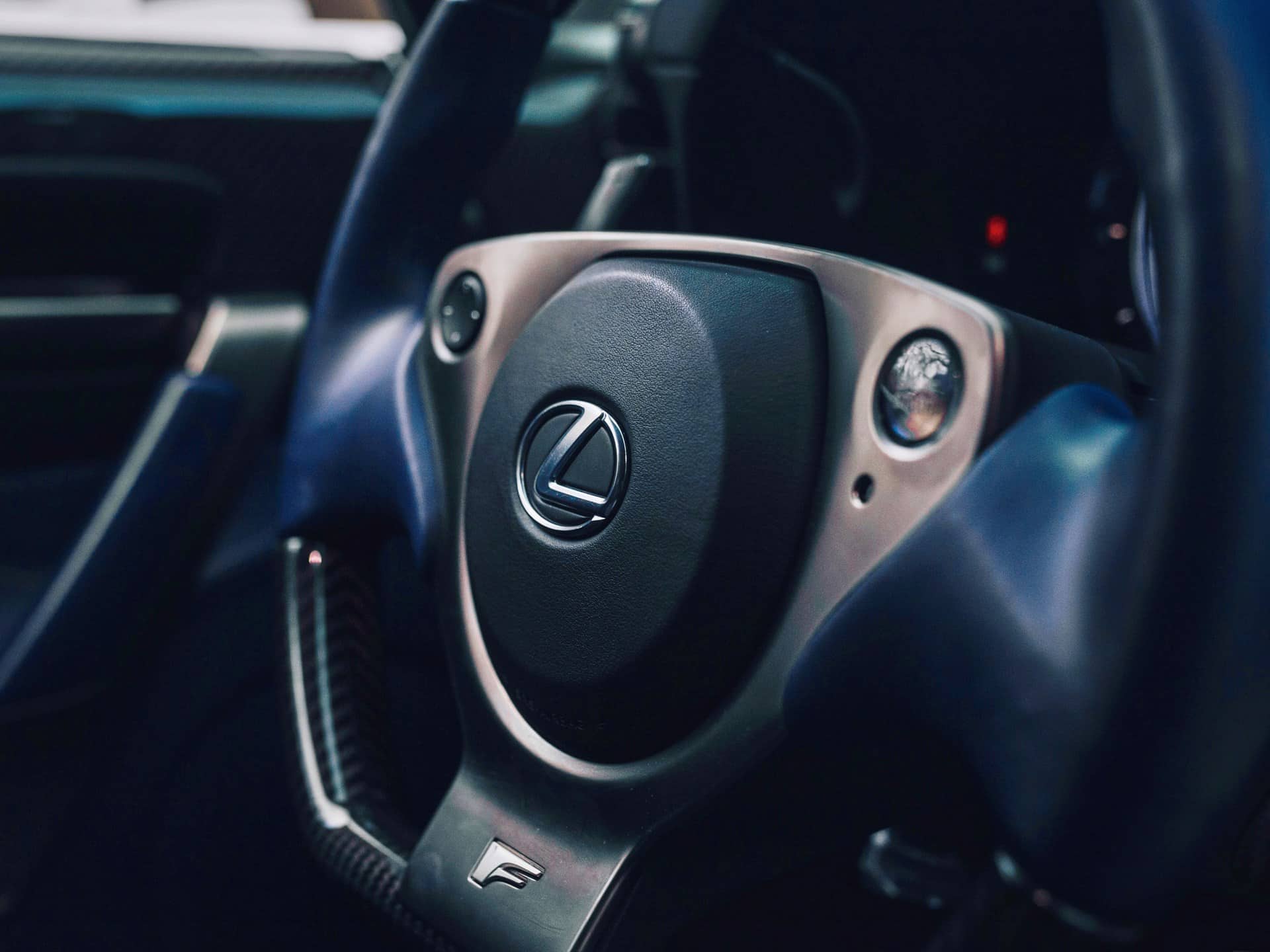
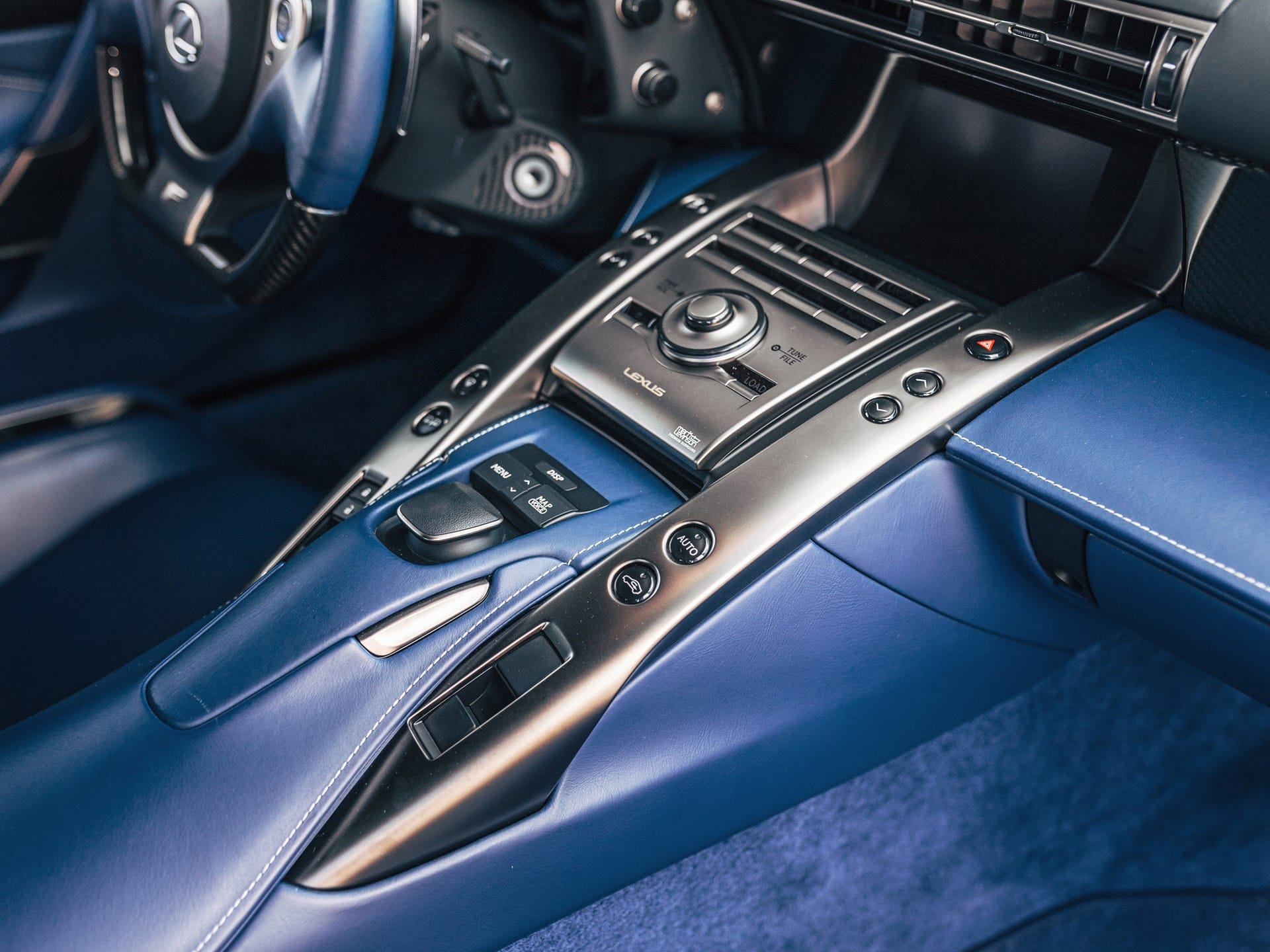
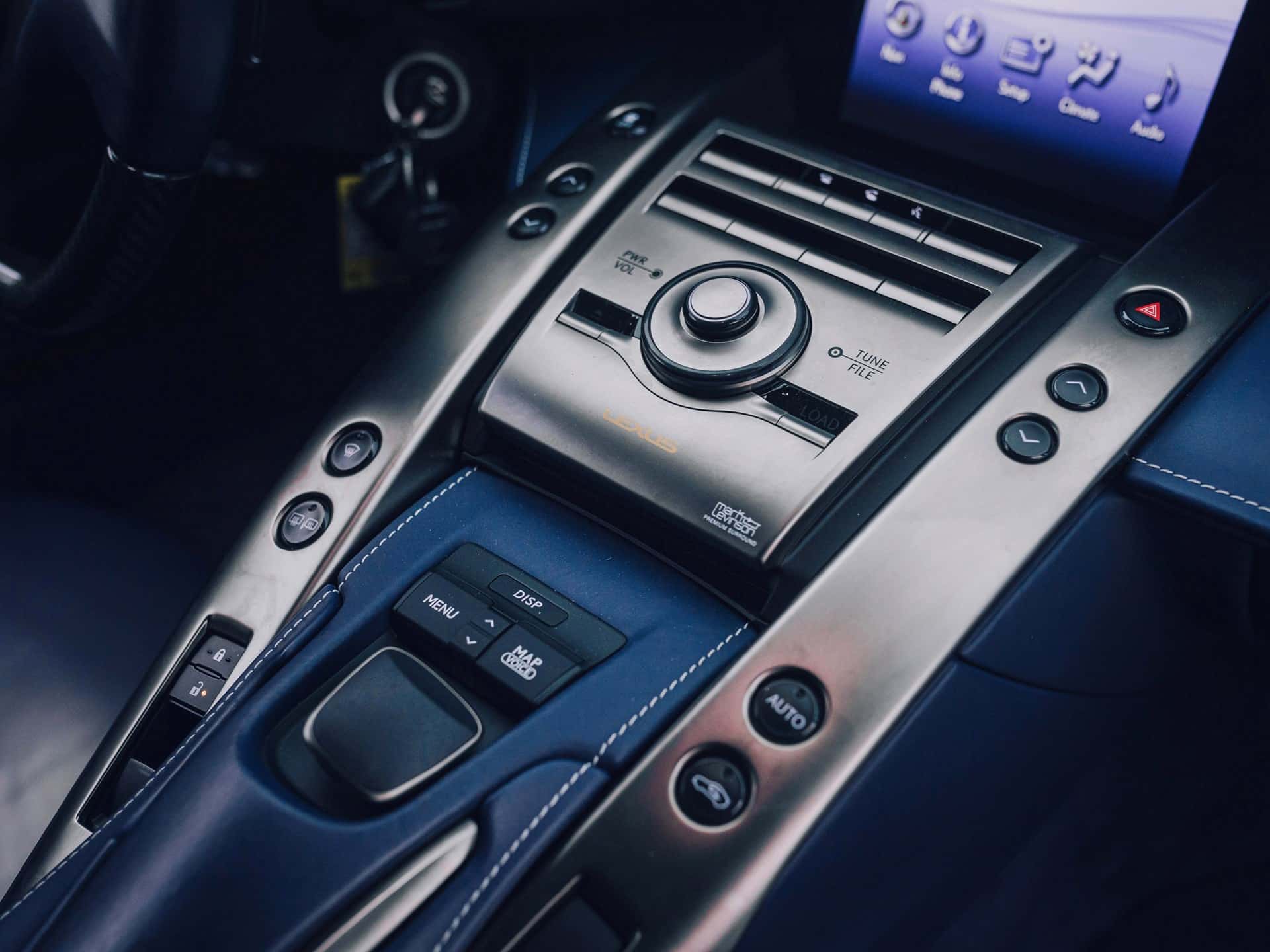
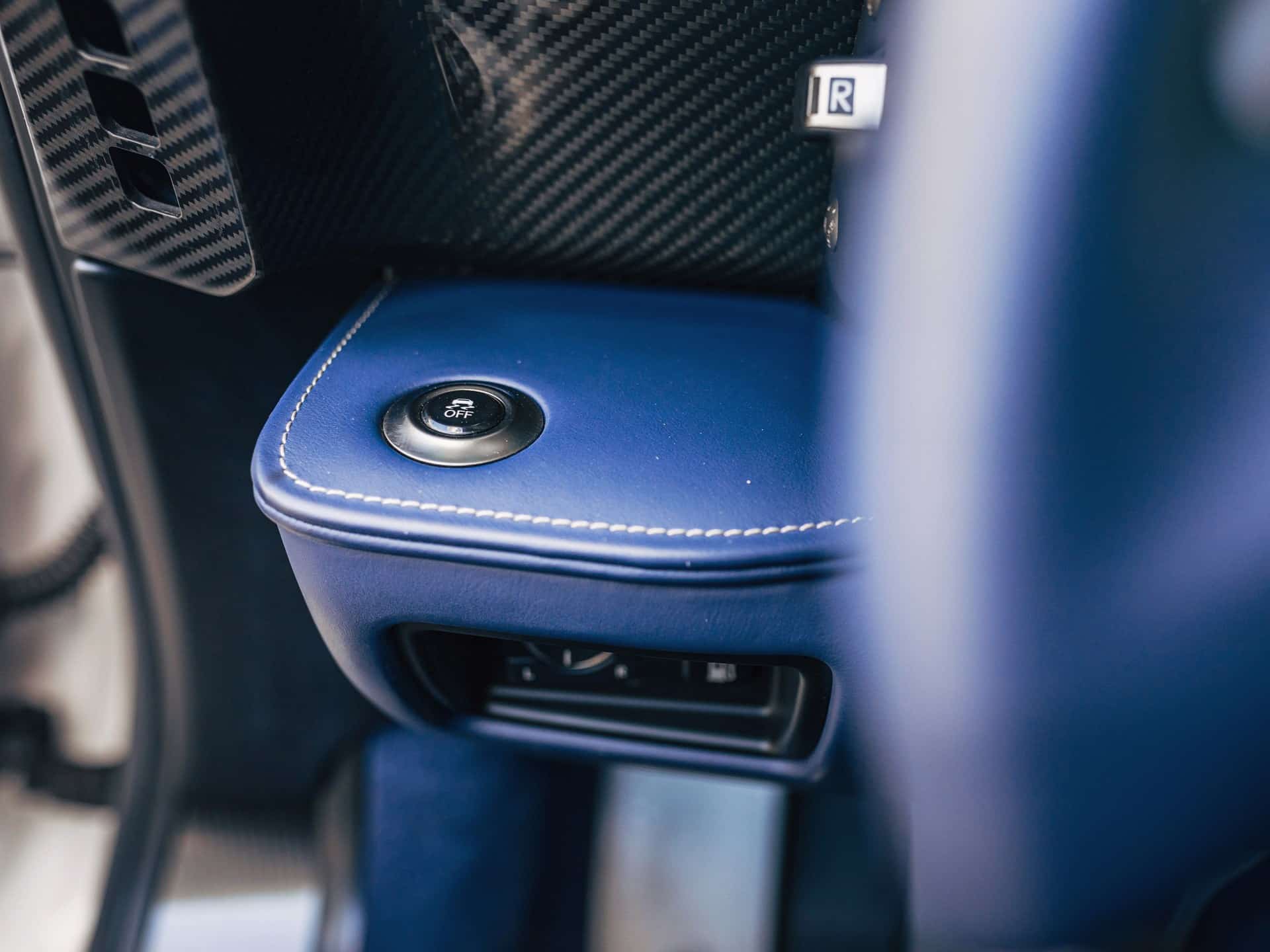
That matters because the LFA was always a special car, but certain specifications make it feel even more theatrical. Whitest White is exactly the kind of clean, clinical, high contrast finish that suits the car’s technical intensity. Then you open the door and the Blue leather interior changes the whole mood. Suddenly the LFA is not just a precision instrument. It becomes something more vivid, more daring, and far more memorable than the usual black on black supercar uniform.
In other words, this is not an LFA for someone hiding in the background. This is an LFA for someone who understood that if you are going to buy one of the most exotic Japanese road cars ever made, you may as well make it look the part.
LFA design: sculpture with a knife behind its back
The design of the LFA has aged beautifully because it was never lazy. It is low, wide, taut, and muscular, but not bloated. Every intake, every surface, every opening seems to have been put there because it serves a purpose. Cooling, airflow, stability, packaging. This is what happens when a design team and an engineering team stop pretending to be separate tribes and start working toward the same goal.
The proportions are also crucial to the LFA experience. The front mid engine layout gives the car a long, confident nose and a tightly packaged cabin, while the rear mounted transaxle helps achieve near ideal weight distribution. Lexus quoted a 48:52 front to rear balance, which tells you everything about the seriousness of the project. This was not some styling exercise with a big engine thrown in for drama. This was a full blooded engineering statement.
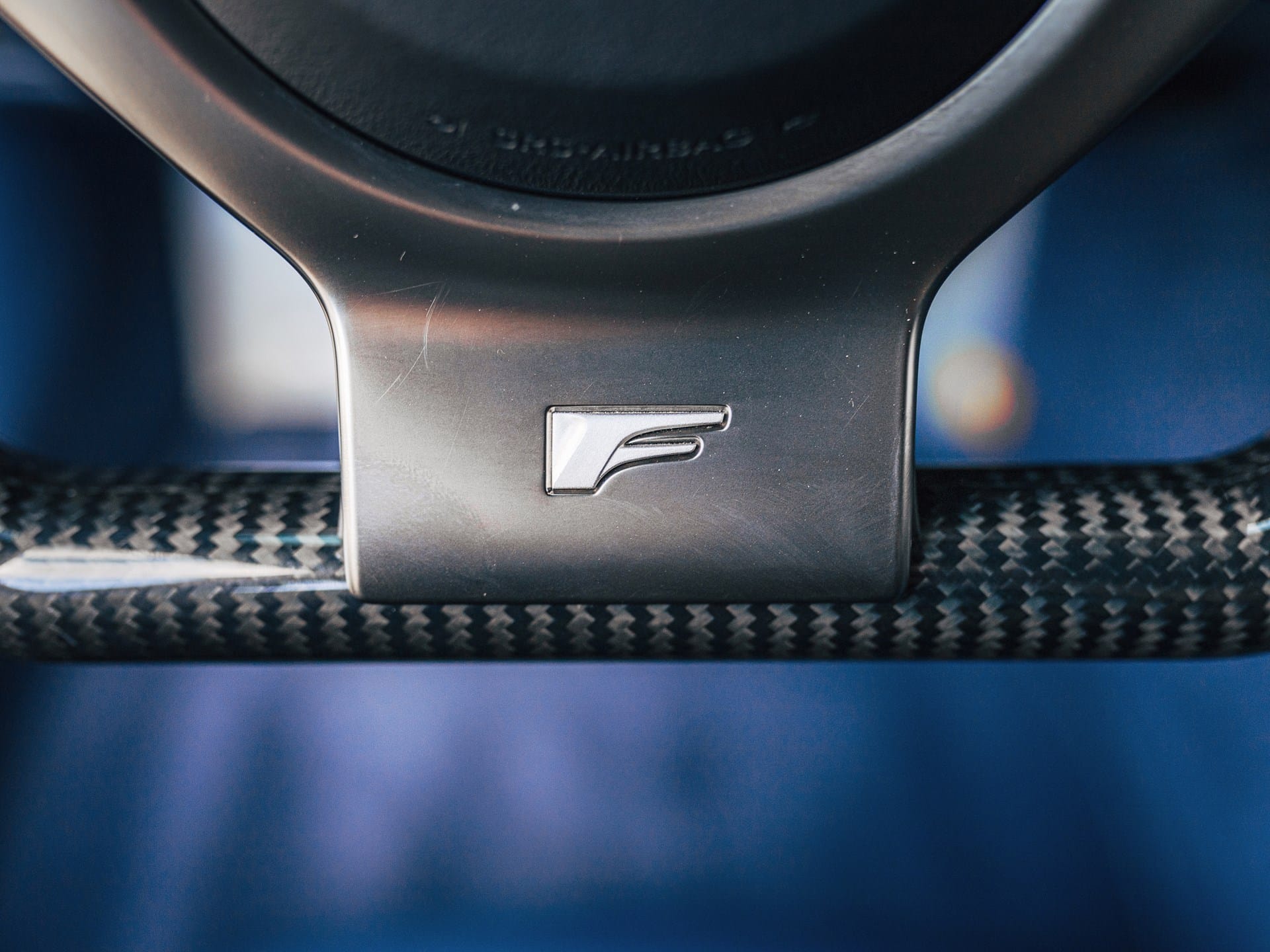
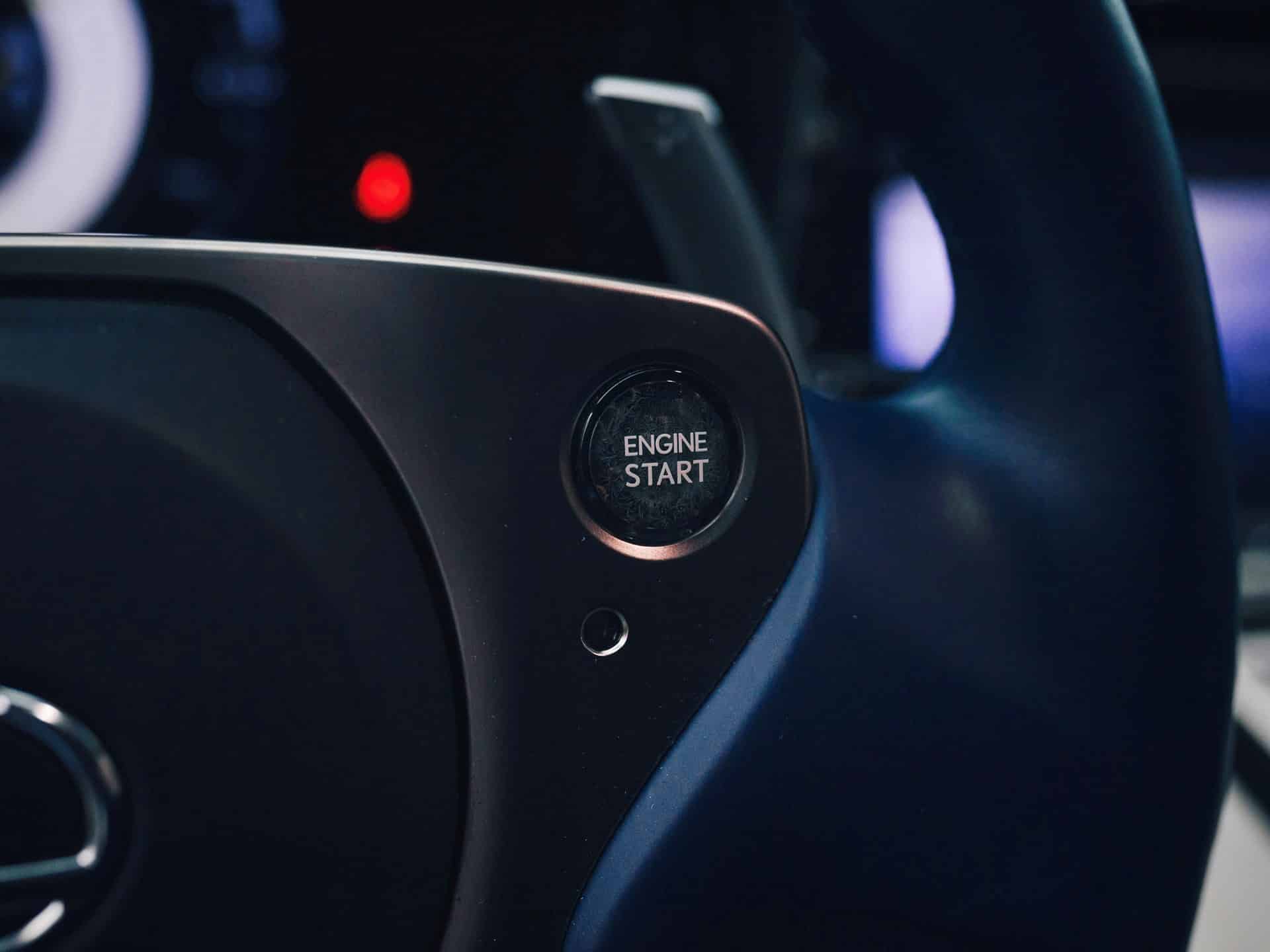
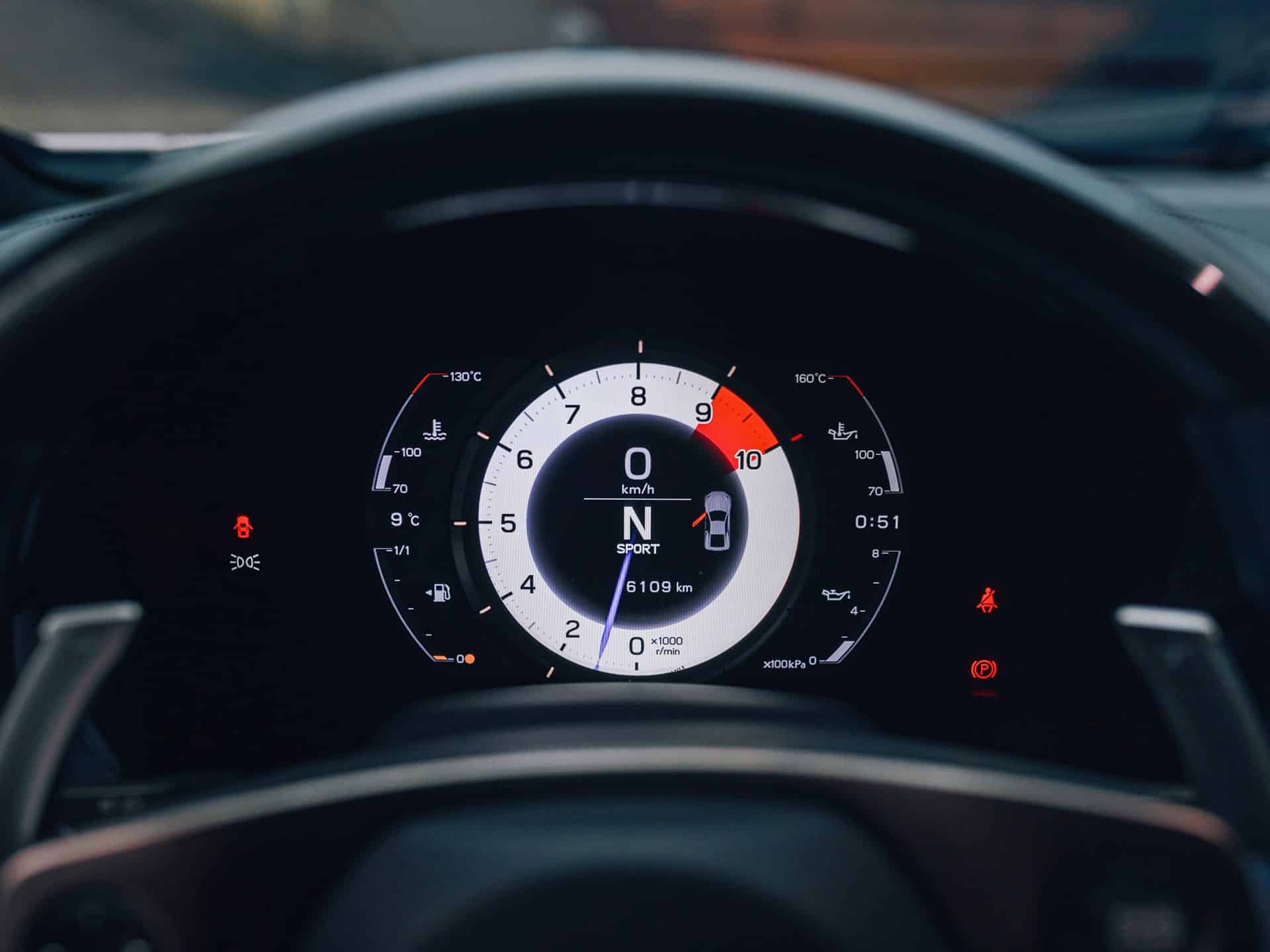
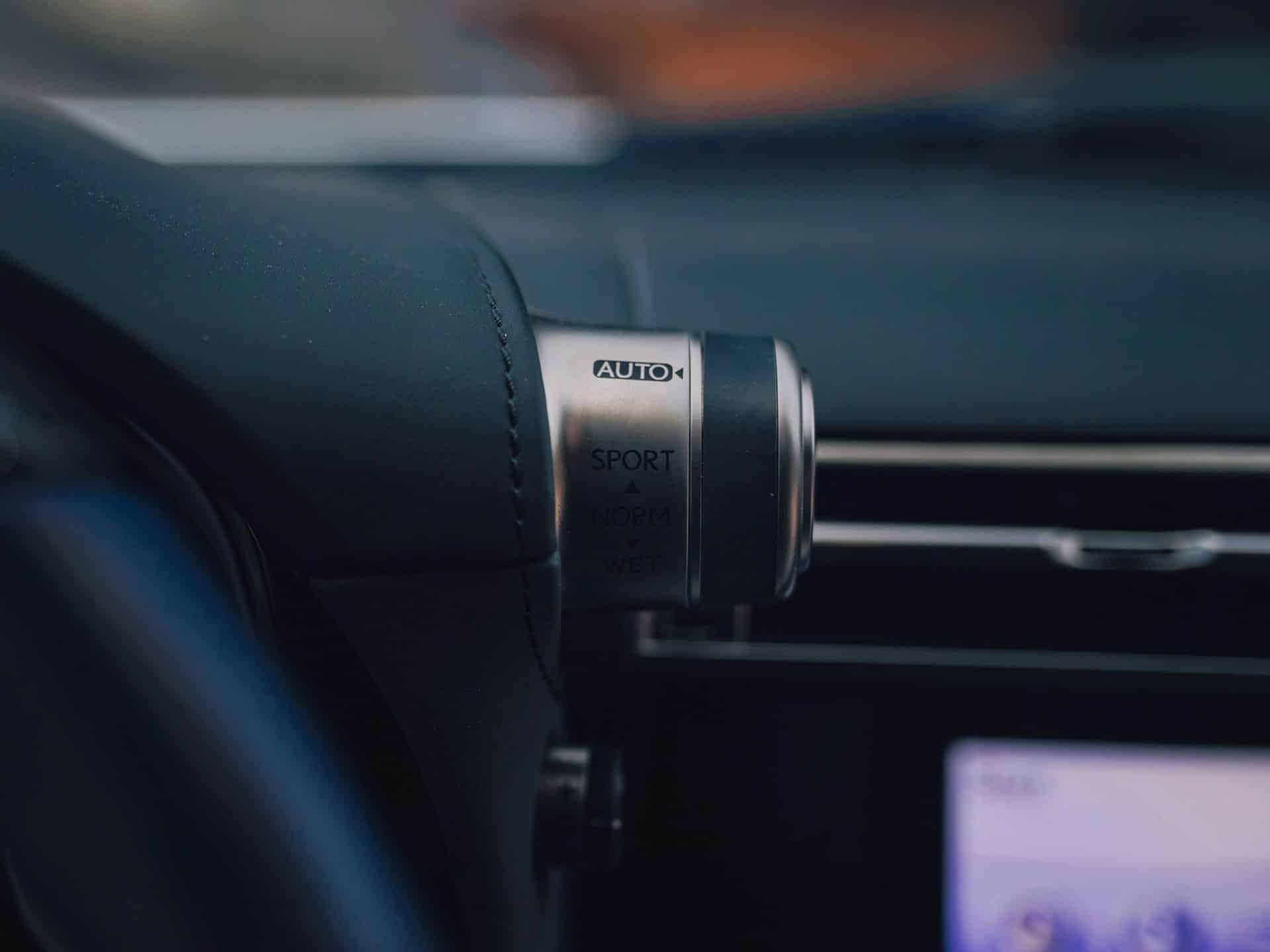
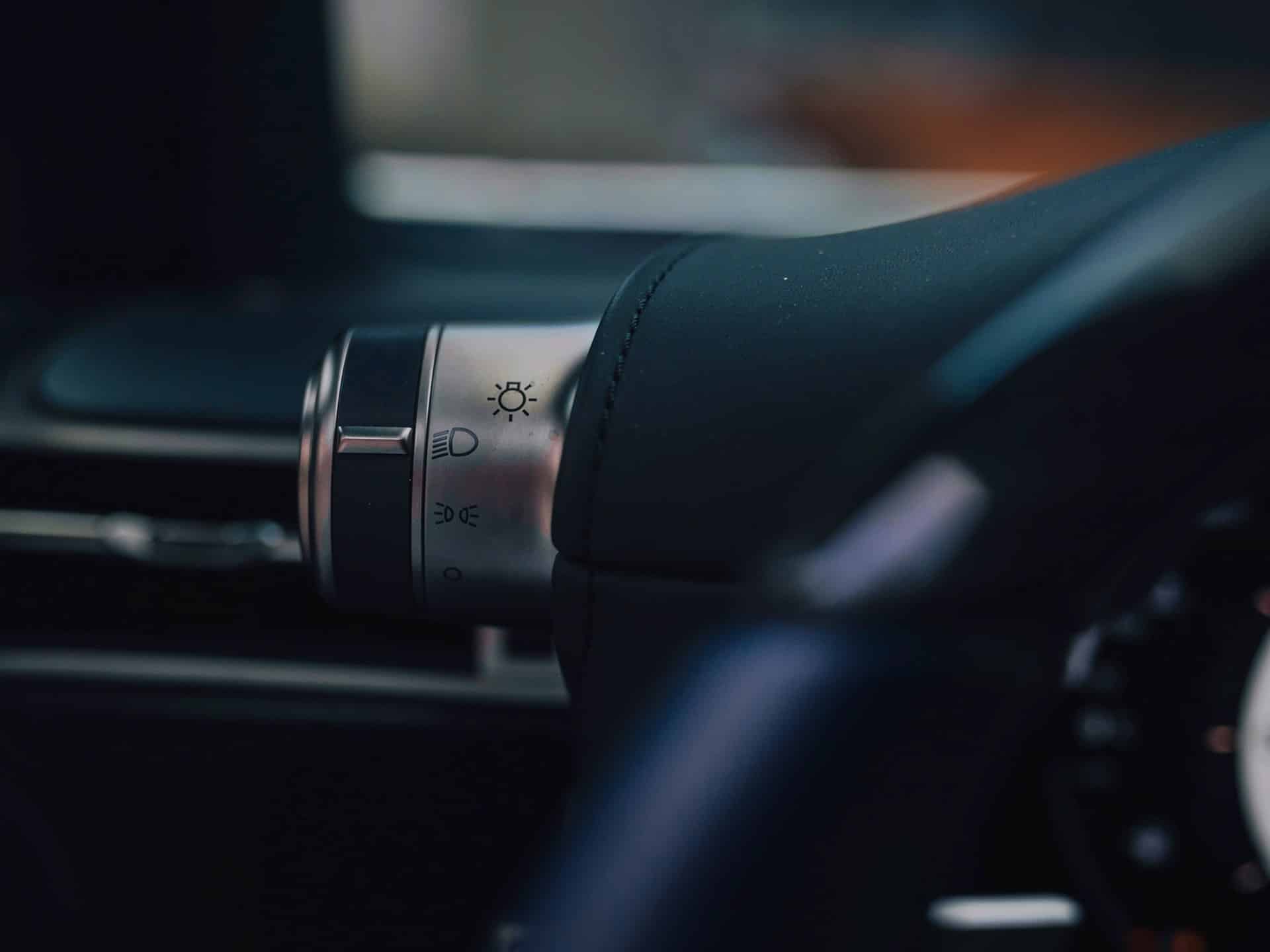
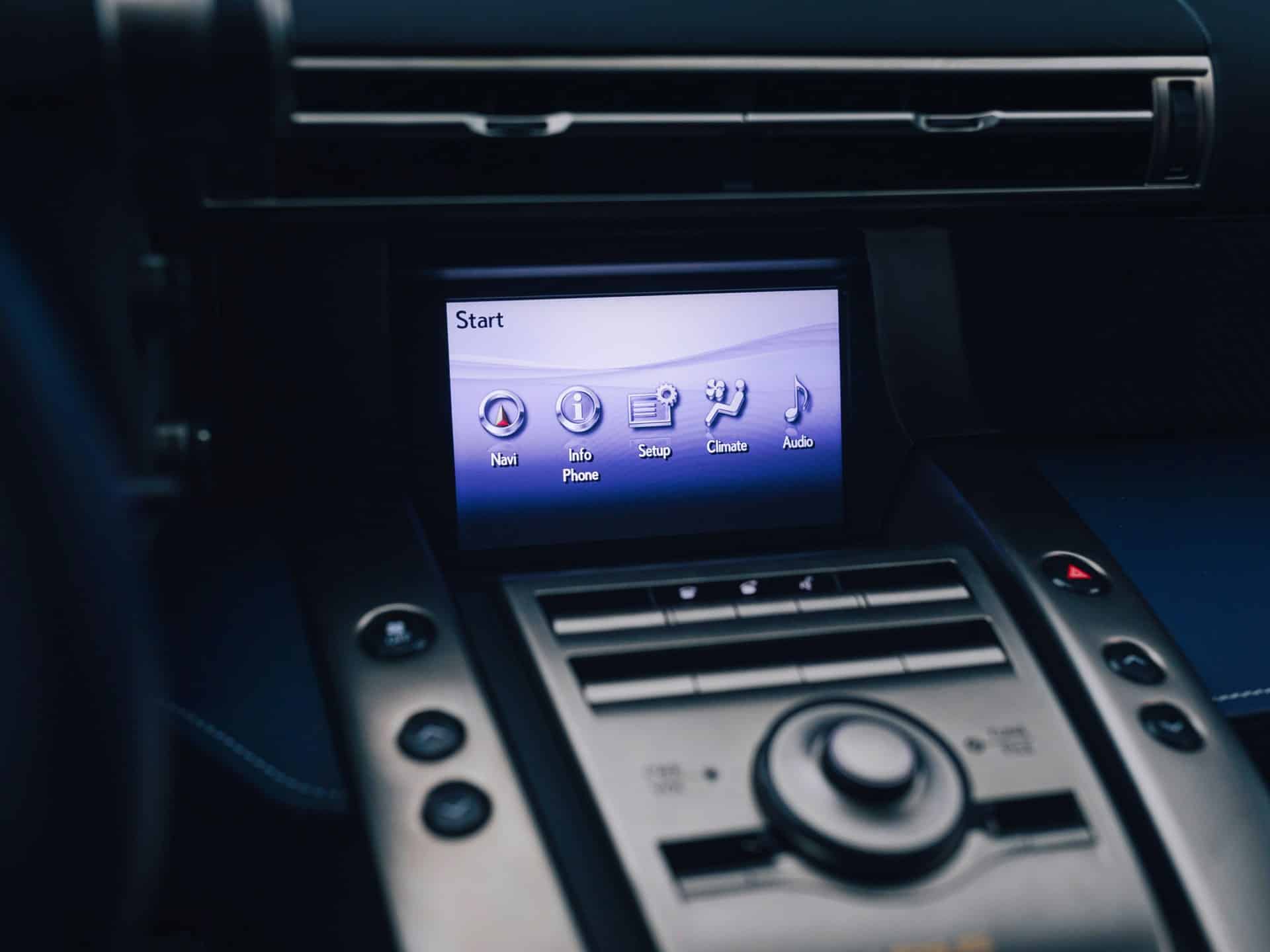
Then there is the interior. Even now, the cabin of the LFA feels special because it was built around the driving experience rather than around infotainment theatre. The famous digital instrument cluster exists for one very good reason: the engine revs so quickly that an analogue tachometer could not keep up. That is one of the greatest engineering flexes in modern car history. Most carmakers would issue a press release. Lexus built a dashboard that had to adapt because the engine was too savage for old solutions.
LFA engine: one of the great modern masterpieces
At the centre of the LFA lies one of the finest engines ever fitted to a road car. It is a 4.8 litre naturally aspirated V10 producing 552 bhp at 8,700 rpm and 480 Nm at 6,800 rpm, with a 9,000 rpm red line. Lexus also stated that 0 to 62 mph takes 3.7 seconds and top speed is 202 mph, while the U.S. press material quoted 0 to 60 mph in 3.6 seconds. However you phrase it, the point is obvious: the LFA was ferociously quick.
But raw numbers are not the real story. The real story is how the LFA delivers them. This engine does not simply pull. It detonates. It spins toward 9,000 rpm with a speed and violence that still catches people off guard today. RM Sotheby’s notes that it could race from idle to 9,000 rpm in just six tenths of a second. That is why the car feels electric in its response even though it is gloriously, resolutely mechanical.
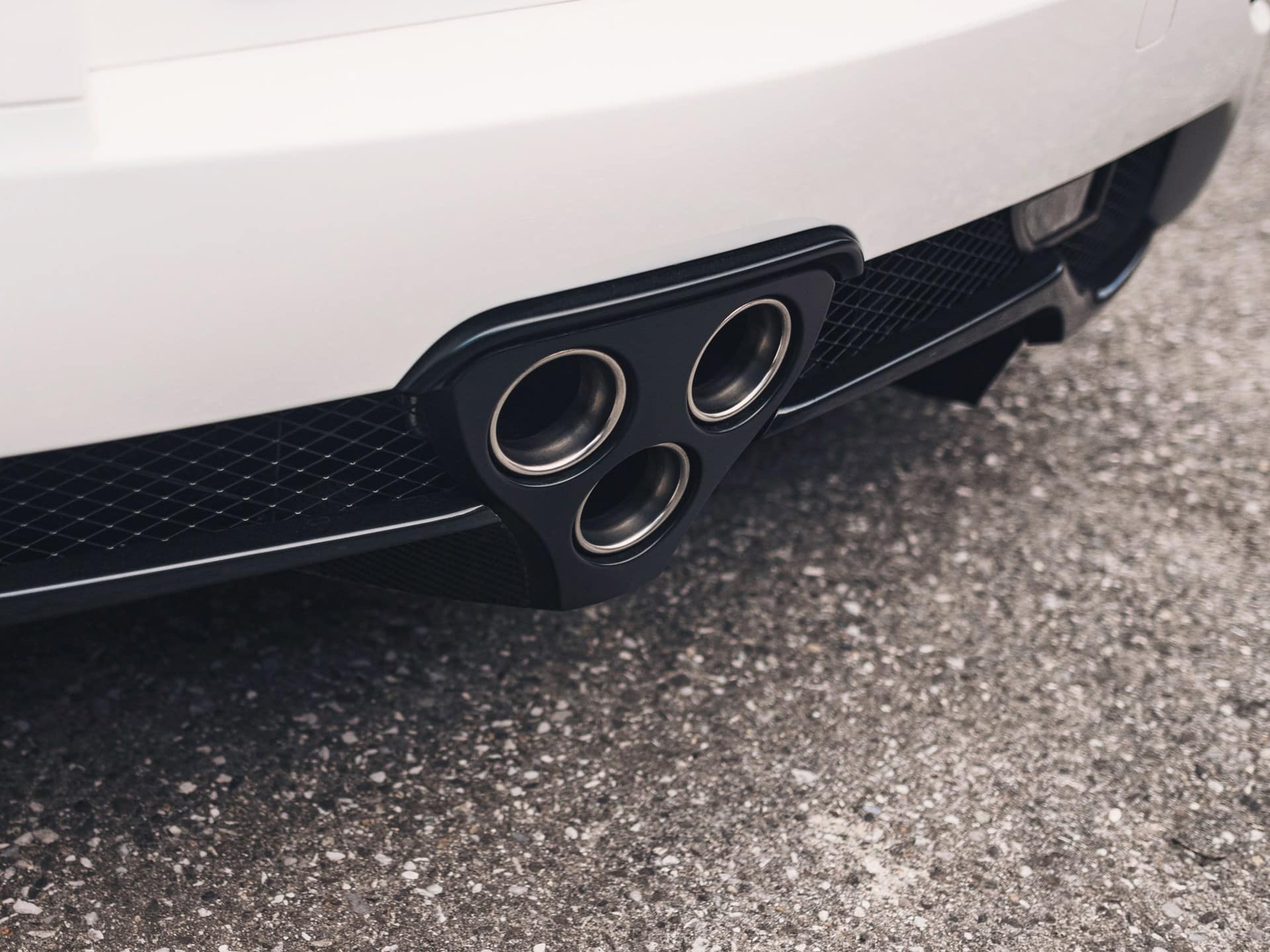
And then there is the sound. The LFA is one of those very rare machines whose engine note has become part of automotive folklore. It does not growl like an American V8. It does not howl like an Italian V12. It shrieks, hardens, and rises into something metallic, exotic, and almost supernatural. Plenty of cars sound good. The LFA sounds expensive, complicated, and slightly insane. Which, again, it is.
What the LFA feels like to drive
This is where the LFA separates itself from the usual garage poster nonsense. A lot of supercars are thrilling to look at but oddly synthetic to drive. Too much grip. Too much software. Too much confidence injected into the driver by computers cleaning up every mistake. The LFA comes from that transitional era where the electronics were there, but the machine still felt brutally honest.
The six speed Automated Sequential Gearbox is a perfect example. On paper, it is not as smooth or as seamless as later dual clutch systems. Good. That is part of the appeal. In the LFA, shifts feel mechanical and deliberate. They add drama. They remind you that the car is doing something substantial beneath you, not merely processing another command in silence. Lexus engineered the shift time down to 0.2 seconds, but it still feels physical rather than sterilised.
And that fits the whole character of the LFA. It is not trying to flatter you. It is trying to involve you. The steering, the chassis, the sound, the gearbox, the way the car loads up and responds at speed, all of it works together to make the LFA feel alive. Not digital. Alive.
Why collectors will always chase the LFA
The collector logic behind the LFA is almost brutally simple. Only 500 were made. It was the first true Lexus supercar. It used a bespoke V10. It had a carbon fibre intensive structure. It came from a major luxury manufacturer taking a huge, expensive gamble for the sake of engineering credibility. And it worked.
That sort of story does not come around often. It certainly does not come around twice. The LFA was not the start of a long line of Lexus V10 supercars. It was a singular event. A moonshot. A magnificent financial irrationality. When the final LFA was built on December 14, 2012, it closed a 500 unit production run that now looks less like a commercial program and more like a factory built legend.
This specific car adds another layer to that appeal. Number 211 of 500. Whitest White. Blue leather. Left hand drive. Swiss registration noted in the RM Sotheby’s listing. It is exactly the sort of LFA specification that stands out in a market full of predictable choices.
The LFA legacy
The reason the LFA still sits so high in the modern supercar conversation is that it achieved something very few halo cars ever manage. It earned its mythology. Not through rarity alone, not through price alone, and not through a badge alone. It earned it through engineering and sensation.
The LFA is one of those cars that people remember in sound, in texture, in the speed of its engine response, in the strange brilliance of a luxury brand deciding to build something so uncompromising. It did not just prove that Lexus could build a supercar. It proved that Lexus could build a supercar with soul.
And that is why the LFA remains one of the defining modern collectibles. Not because it was sensible. Because it was not.



SPECIFICATIONS
NUMBER PRODUCED
500
DATE OF DELIVERY
2010-2012
CHASSIS TYPE
Carbon fibre reinforced plastic
LENGTH
4,505 mm
WIDTH
1,895 mm
HEIGHT
1,220 mm
WEIGHT
1,480 kg
ENGINE
4.8 litre naturally aspirated V10
POWER
552 PS
TORQUE
480 Nm
0-60 MPH
3.6 sec
TOP SPEED
325 km/h


GALLERY