PORSCHE
PORSCHE
911 GT2 RS 997
WP0ZZZ99ZBS776203
WP0ZZZ99ZBS776203
Porsche 911 GT2 RS Type 997 2011: The Last Great Widowmaker
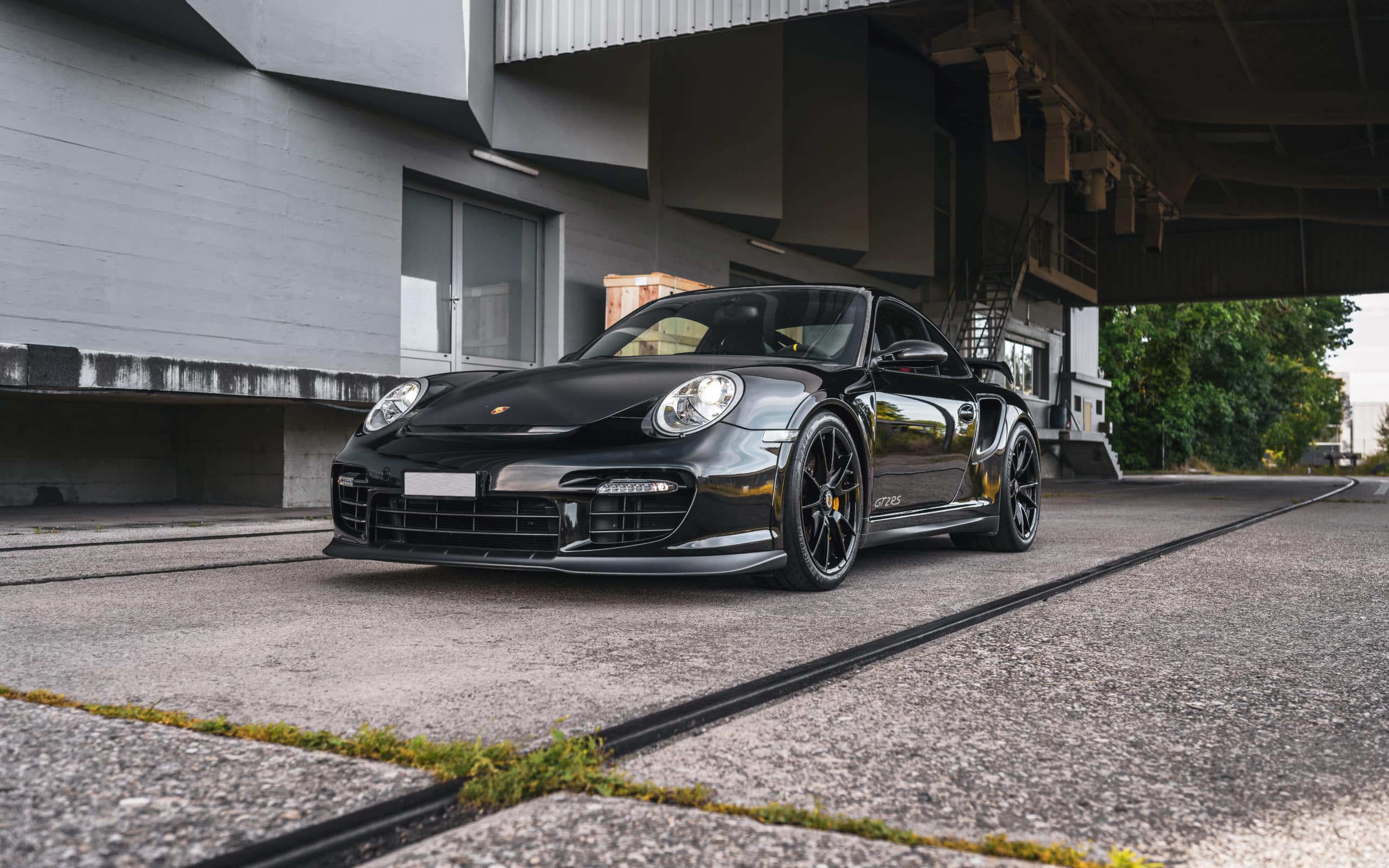
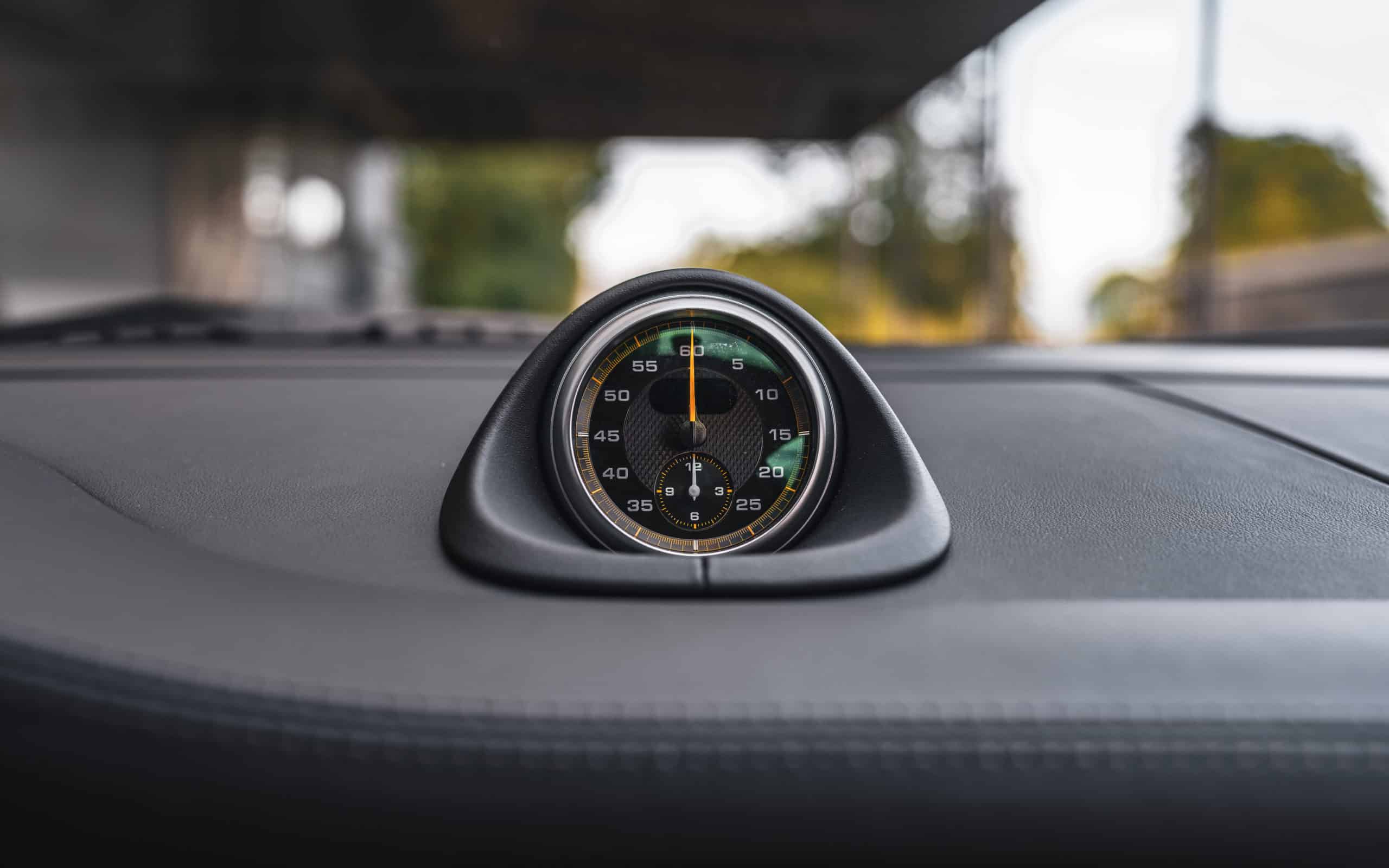
There are fast cars, there are serious cars, and then there is the GT2 RS. The 2011 Porsche 911 GT2 RS Type 997 was not designed to flatter your ego, protect your dignity, or save you from your own stupidity. It was built to do one thing: deliver a savage, unforgettable driving experience with the kind of force that makes most modern performance cars feel like padded furniture. Porsche limited the 997 generation GT2 RS to 500 units, gave it 620 PS, stripped weight down to 1,370 kg, and sent all that violence to the rear wheels through a six speed manual gearbox. That was not an accident. That was the point.
The numbers still land like a slap. The GT2 RS could reach 100 kmh in around 3.5 seconds, continue to a top speed of 330 kmh, and lap the Nürburgring Nordschleife in 7 minutes 18 seconds. Even today, those figures are not merely impressive. They are faintly absurd for a rear engine road car with a manual transmission and no interest whatsoever in making the driver feel comfortable. Porsche itself described the 997 era GT2 RS as the most powerful and fastest road going sports car it had ever built at the time.
Why the GT2 RS matters
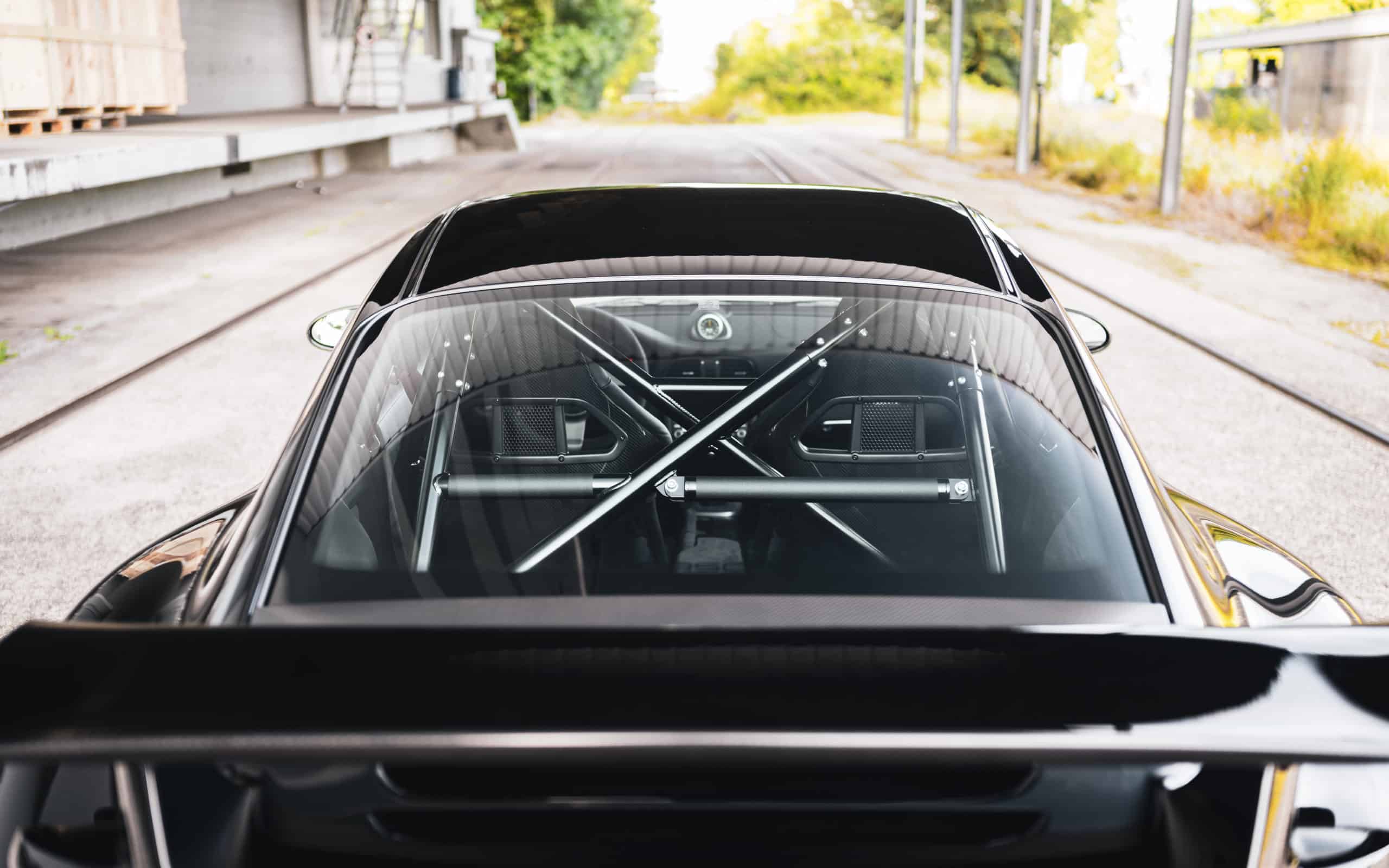
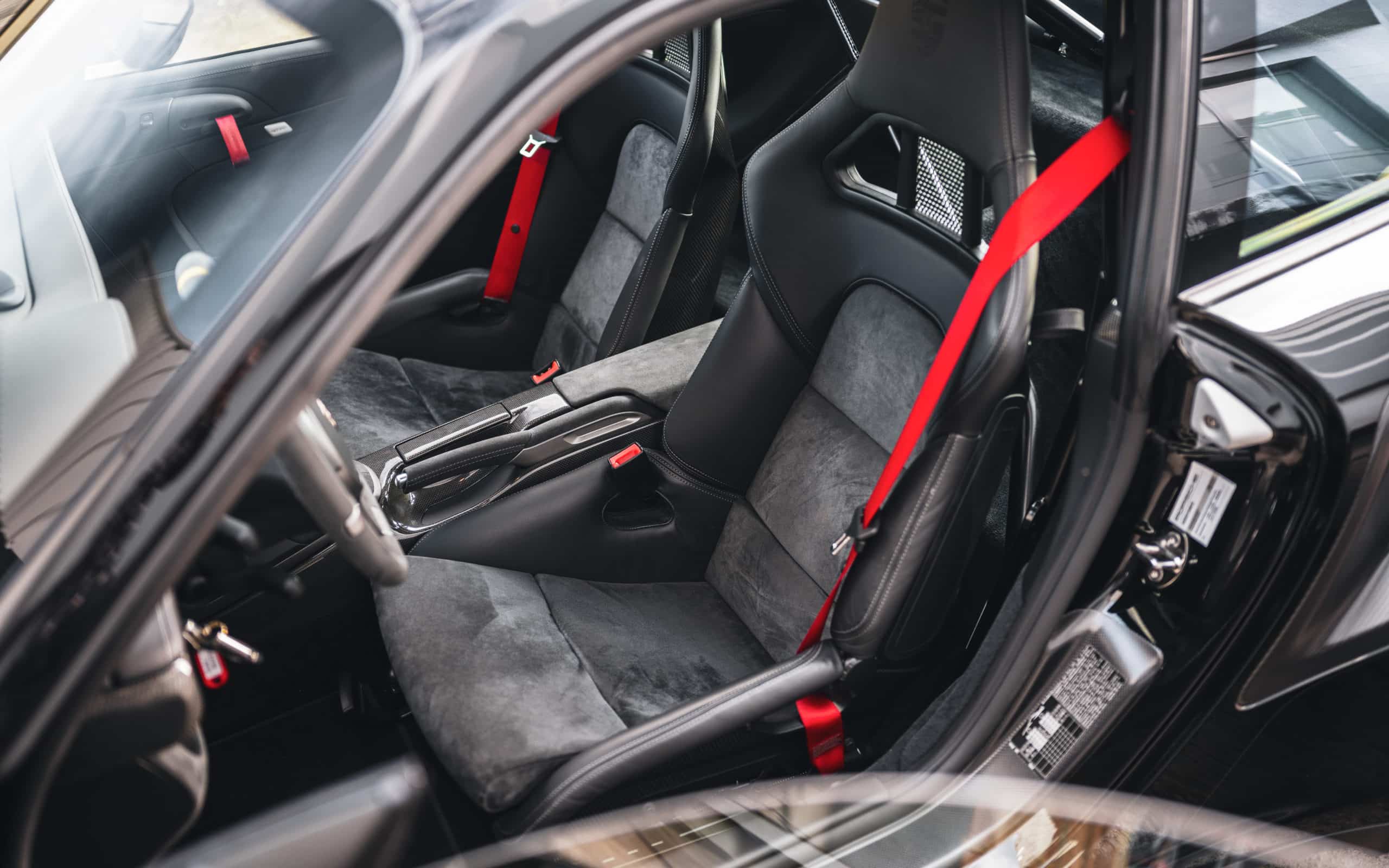
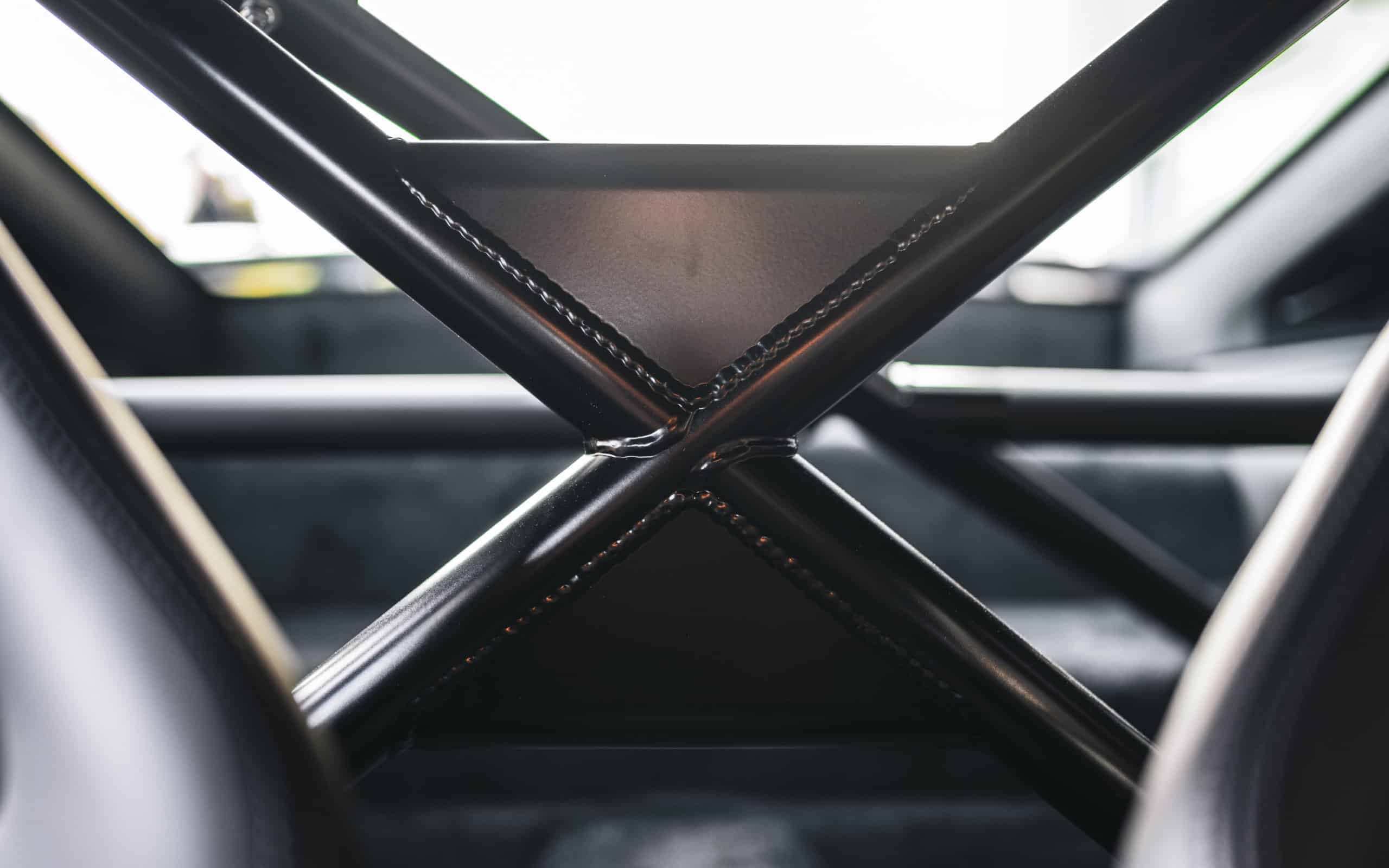
The GT2 RS sits at a very particular point in Porsche history. It belongs to that rare moment when engineers still seemed allowed to be slightly unreasonable. The 997 generation had already restored visual purity to the 911 after the more controversial 996 years. Then Porsche took that shape, bolted in a twin turbocharged flat six, cut mass with carbon fibre reinforced plastic and lightweight components, widened the body, added a cage, and created something that felt less like a polished supercar and more like a mechanical threat.
That is what makes the GT2 RS so important. It was not just fast. Plenty of cars are fast. It was gloriously, unapologetically hostile in the right way. It demanded respect. It demanded technique. It demanded commitment. In an era increasingly obsessed with software, filters, and effortless speed, the 997 GT2 RS remains one of the last truly intimidating machines sold by a major manufacturer.
GT2 RS design: function first, fear second
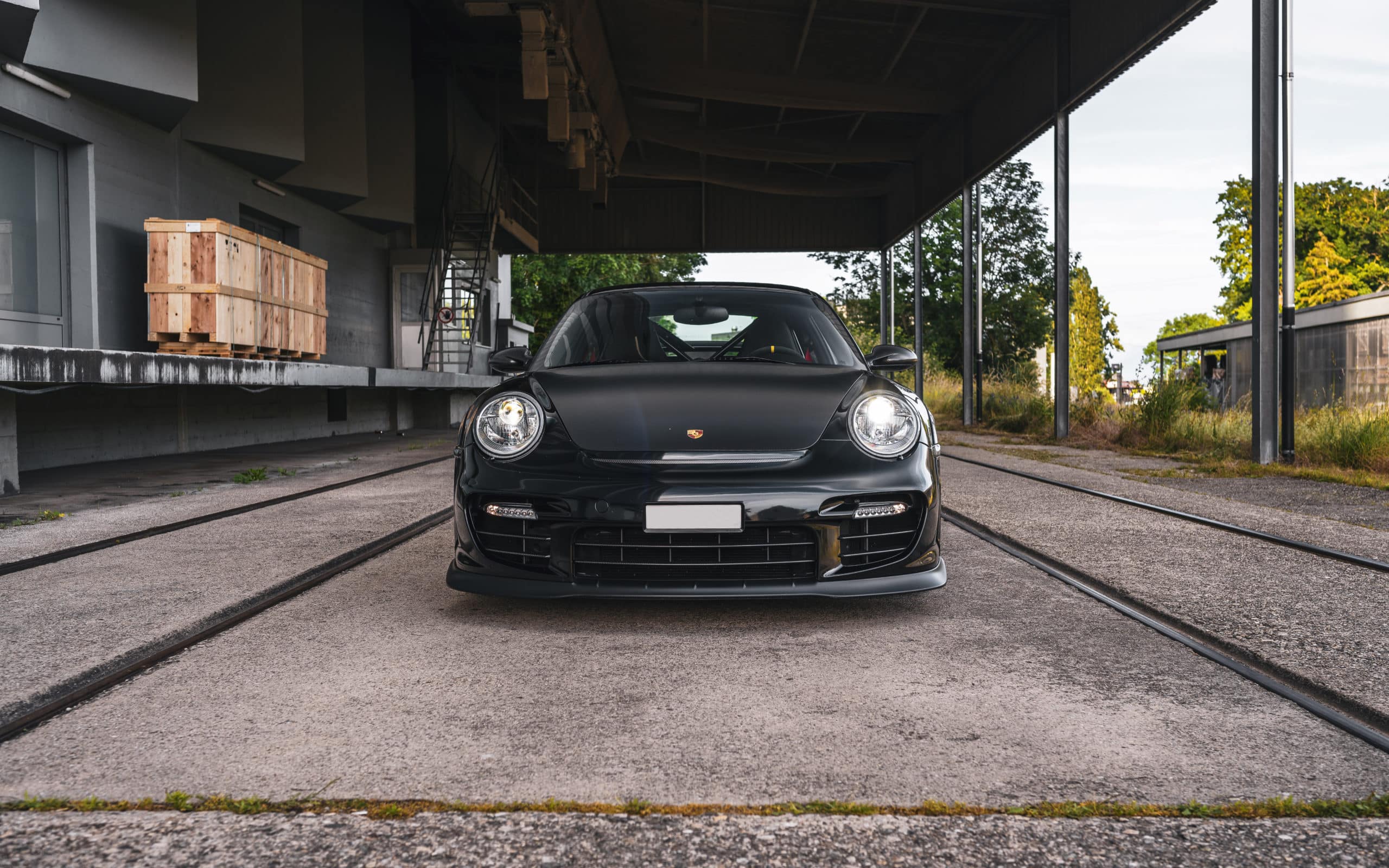
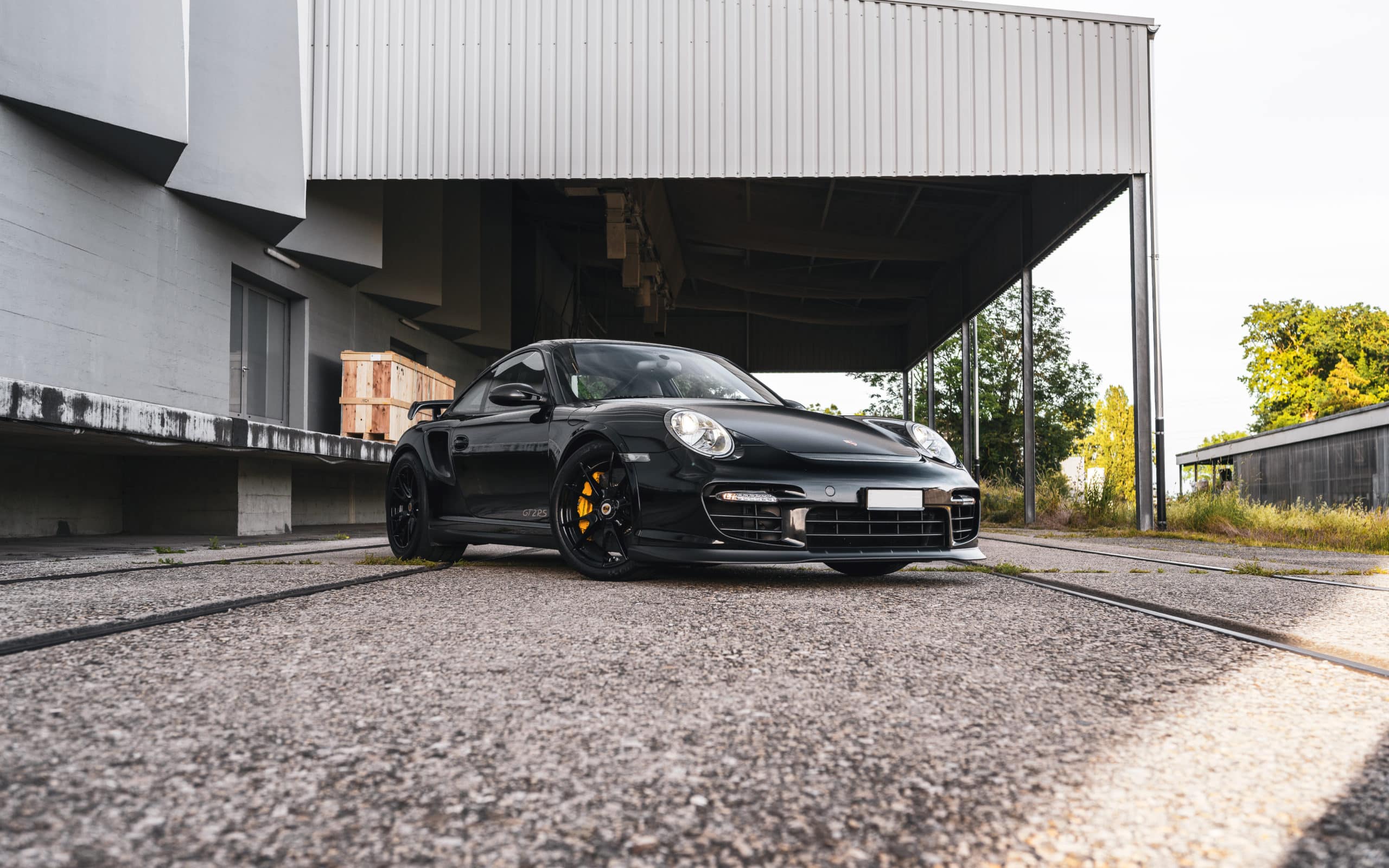
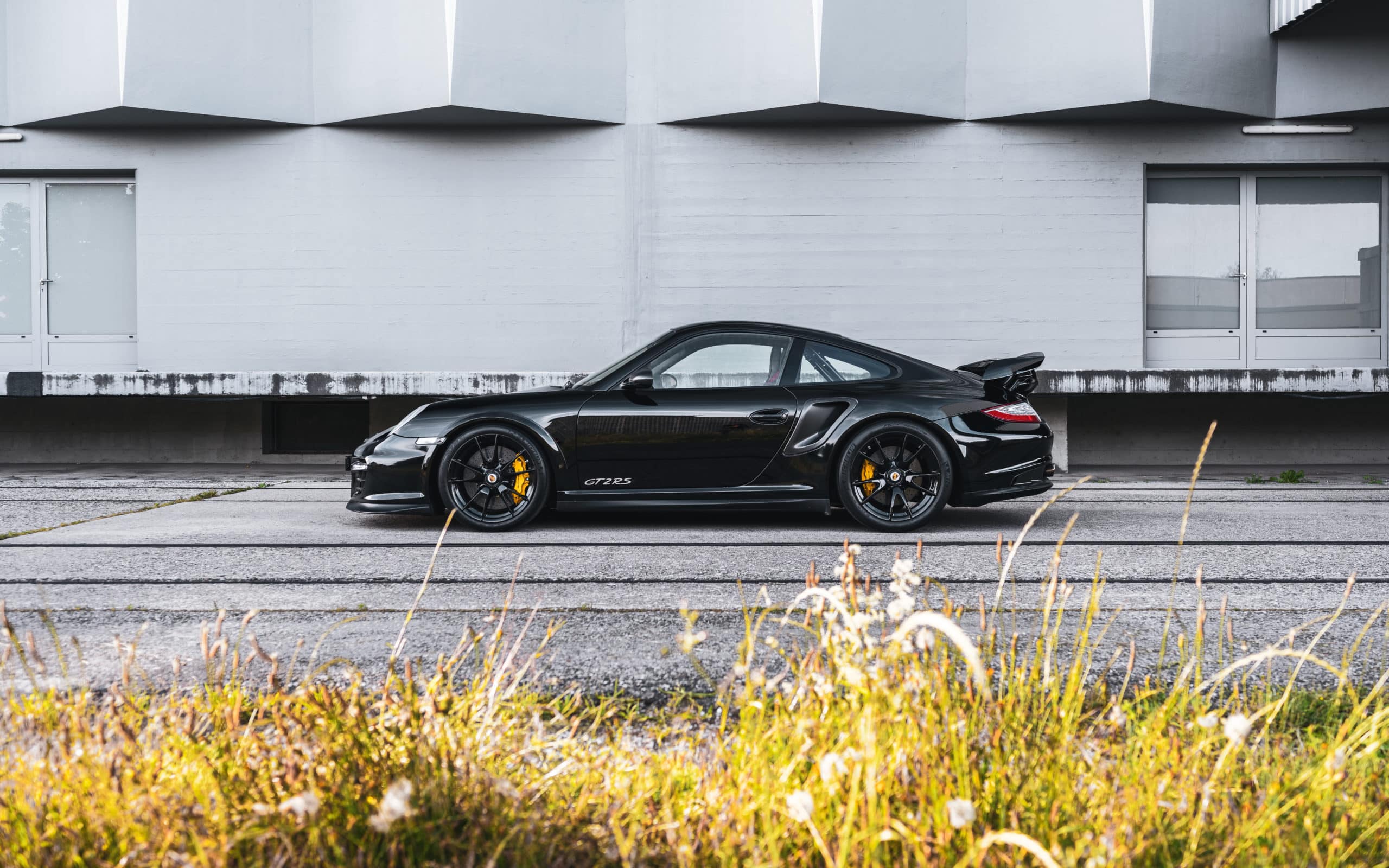
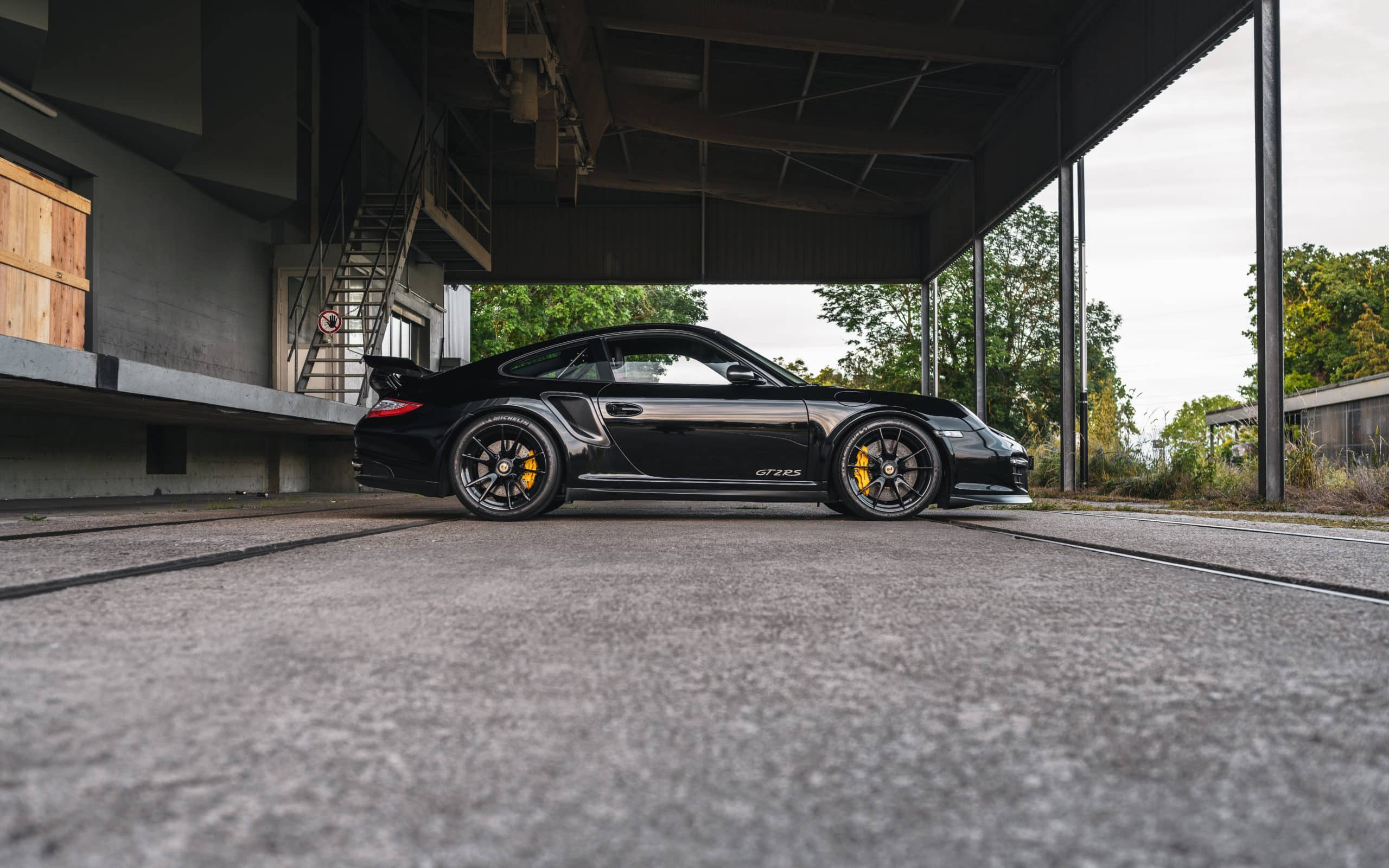
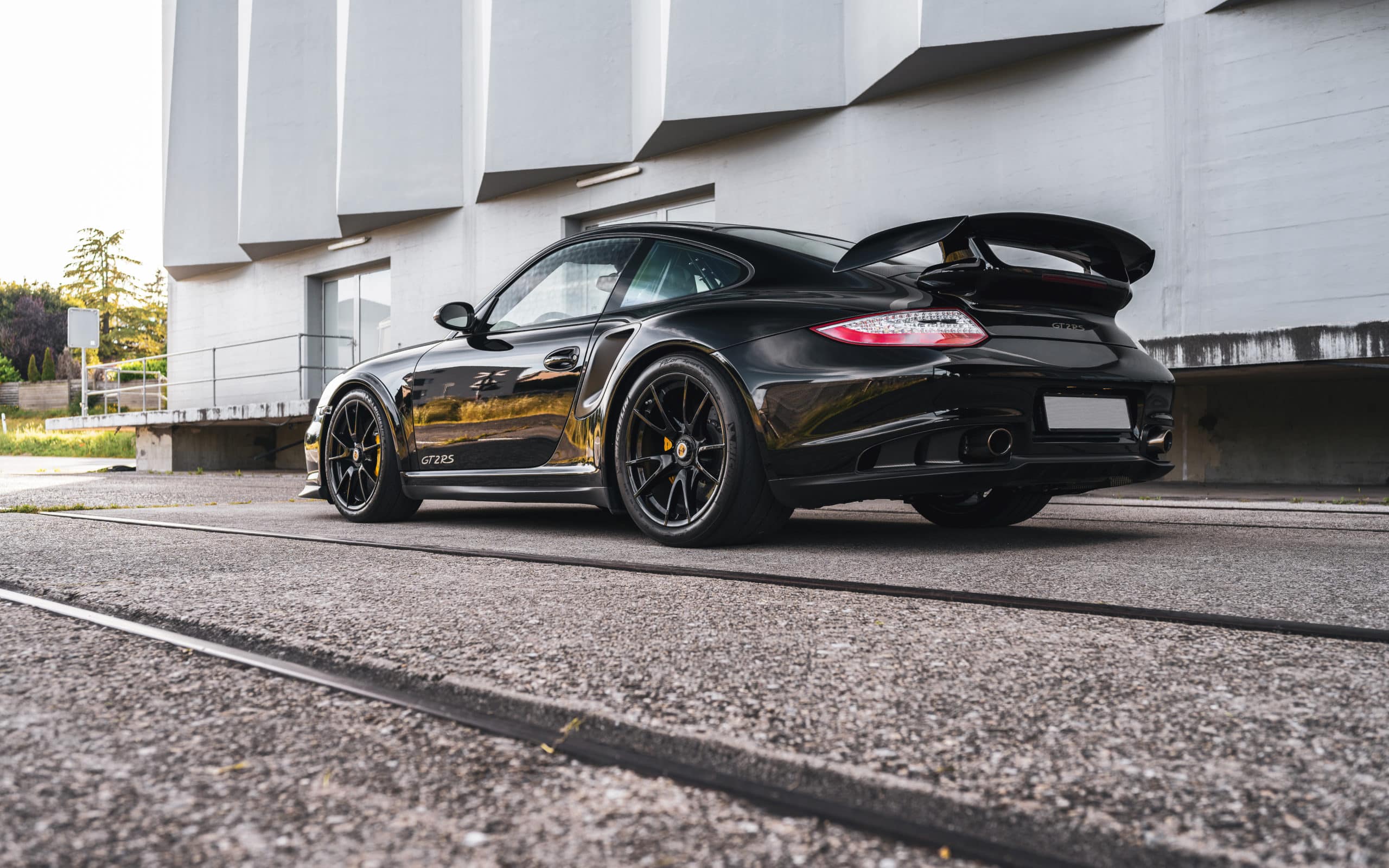
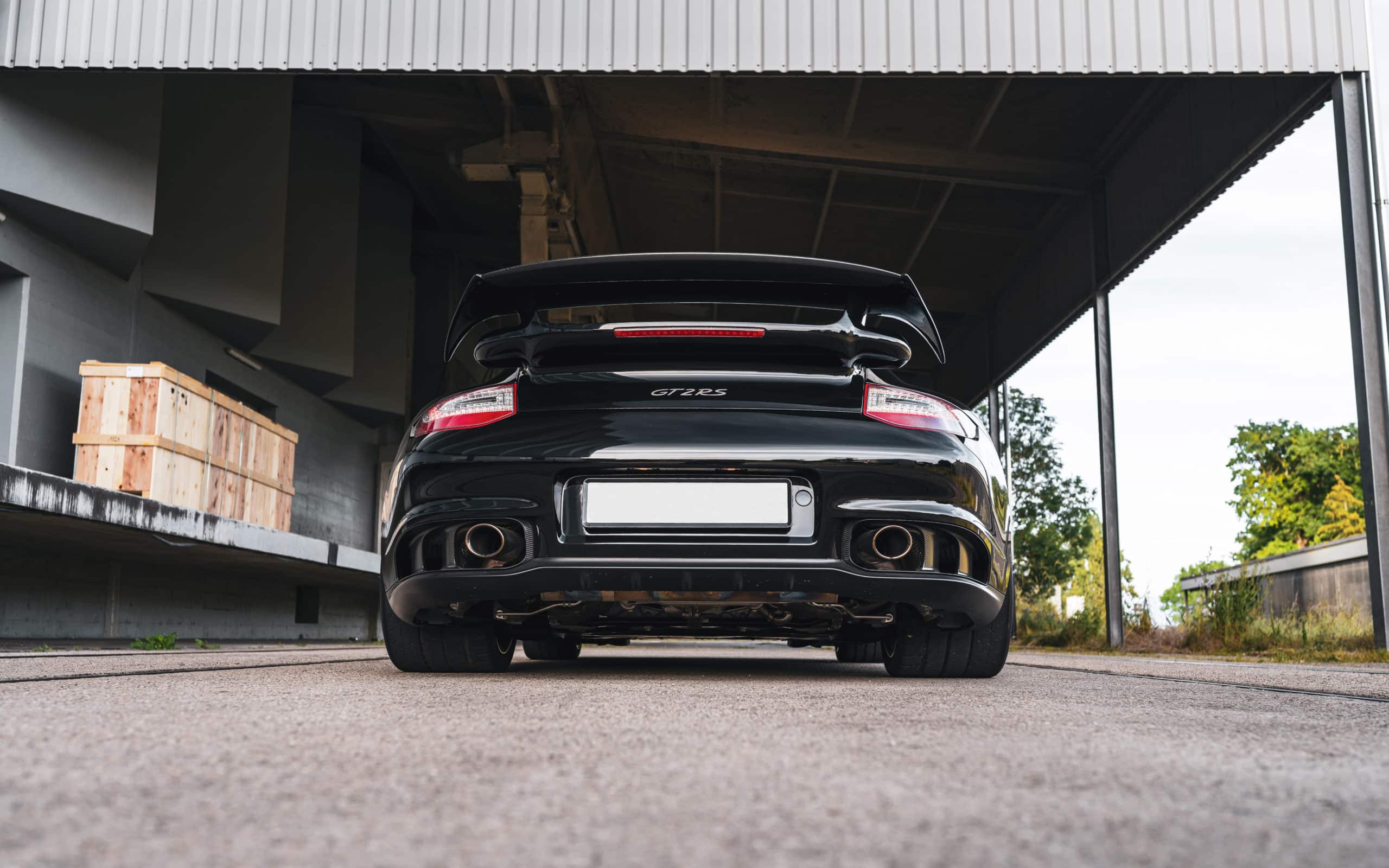
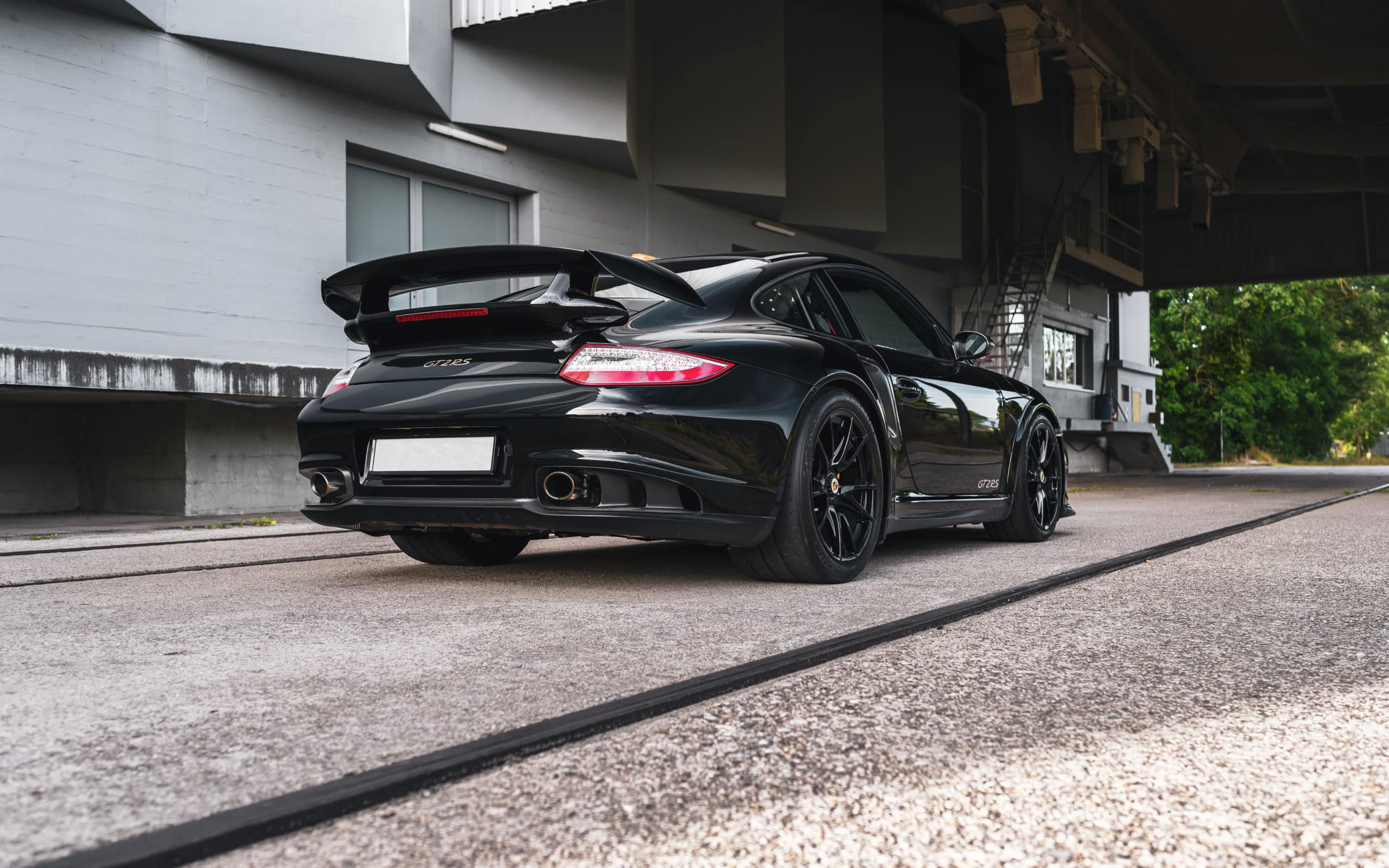
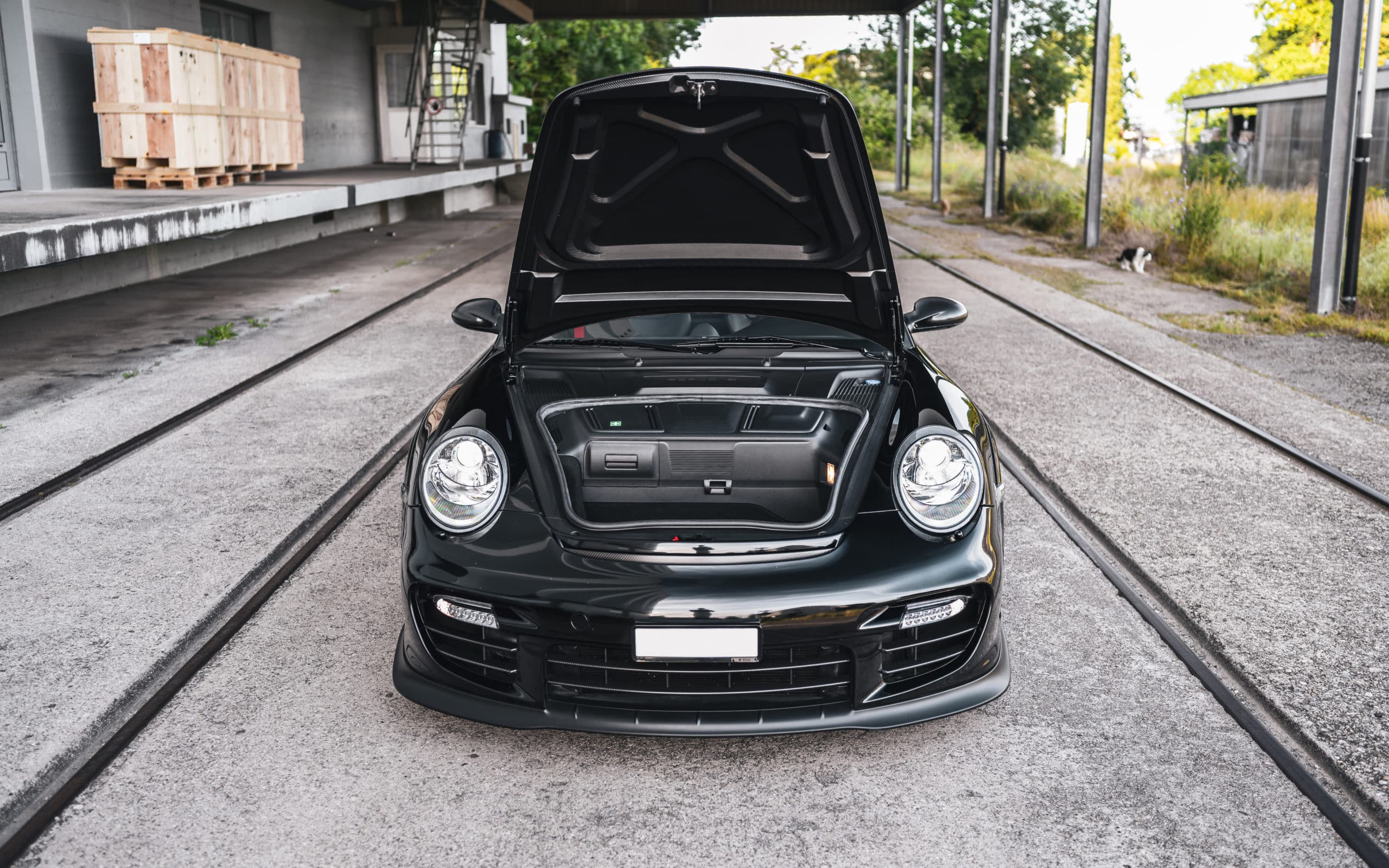
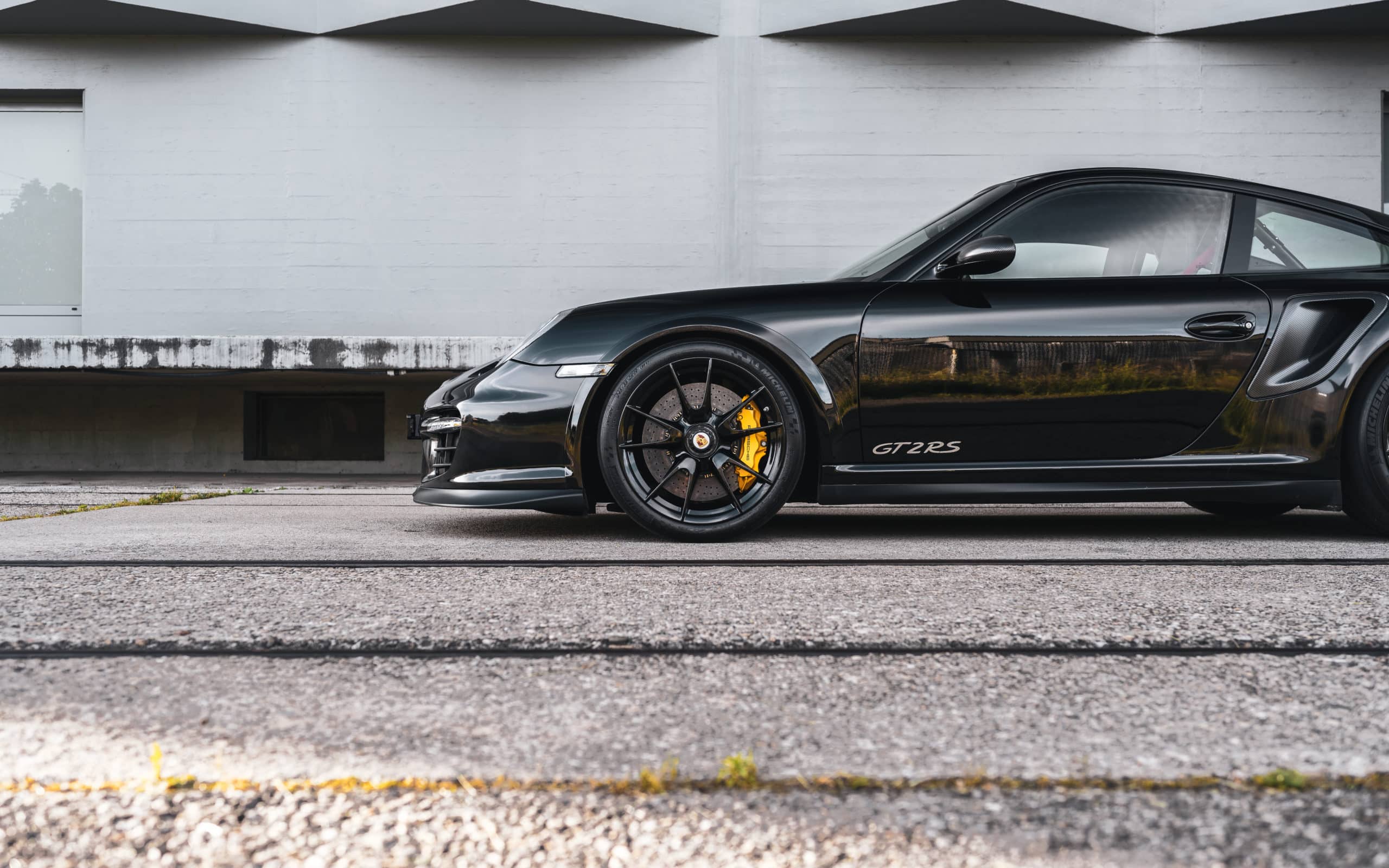
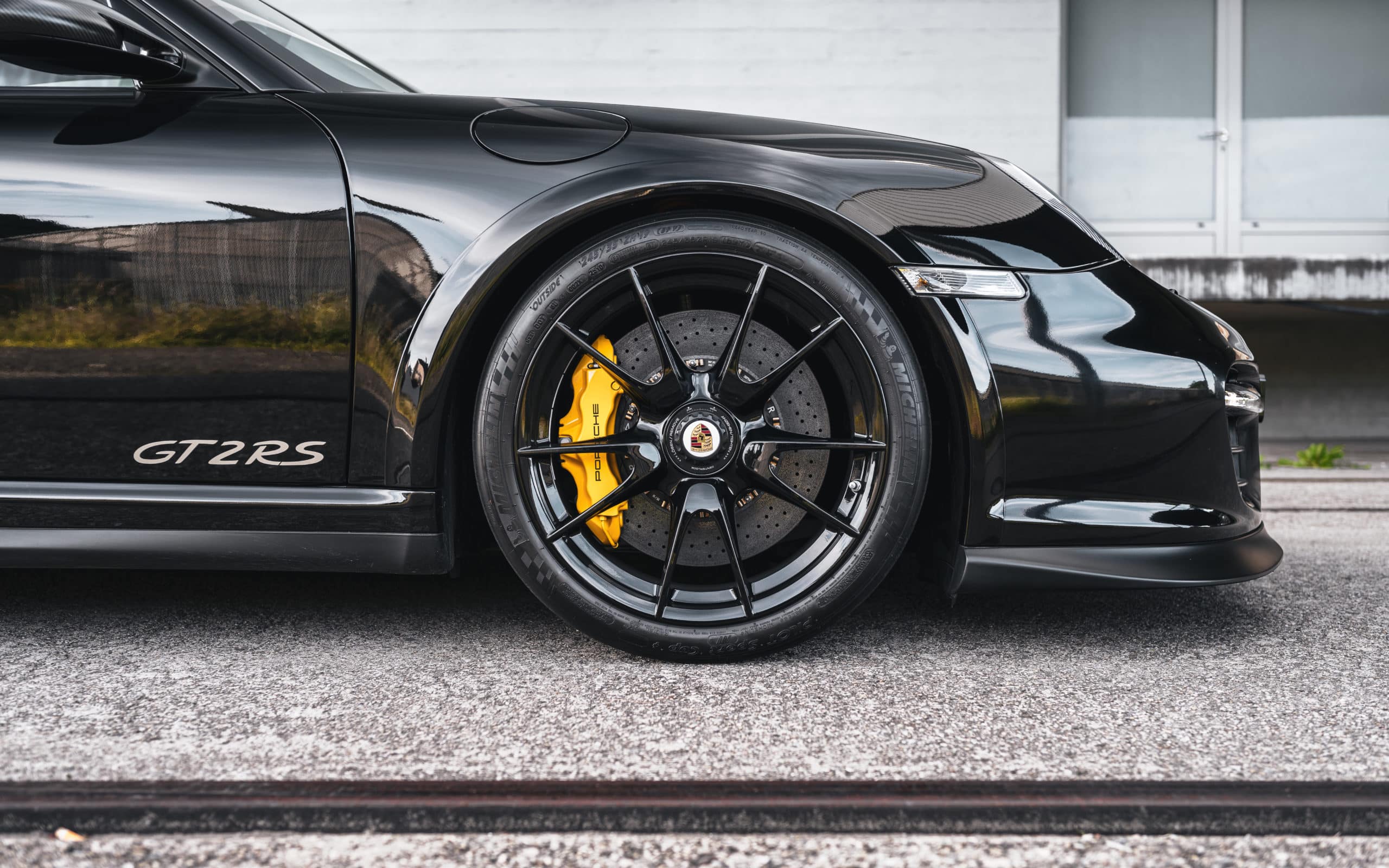
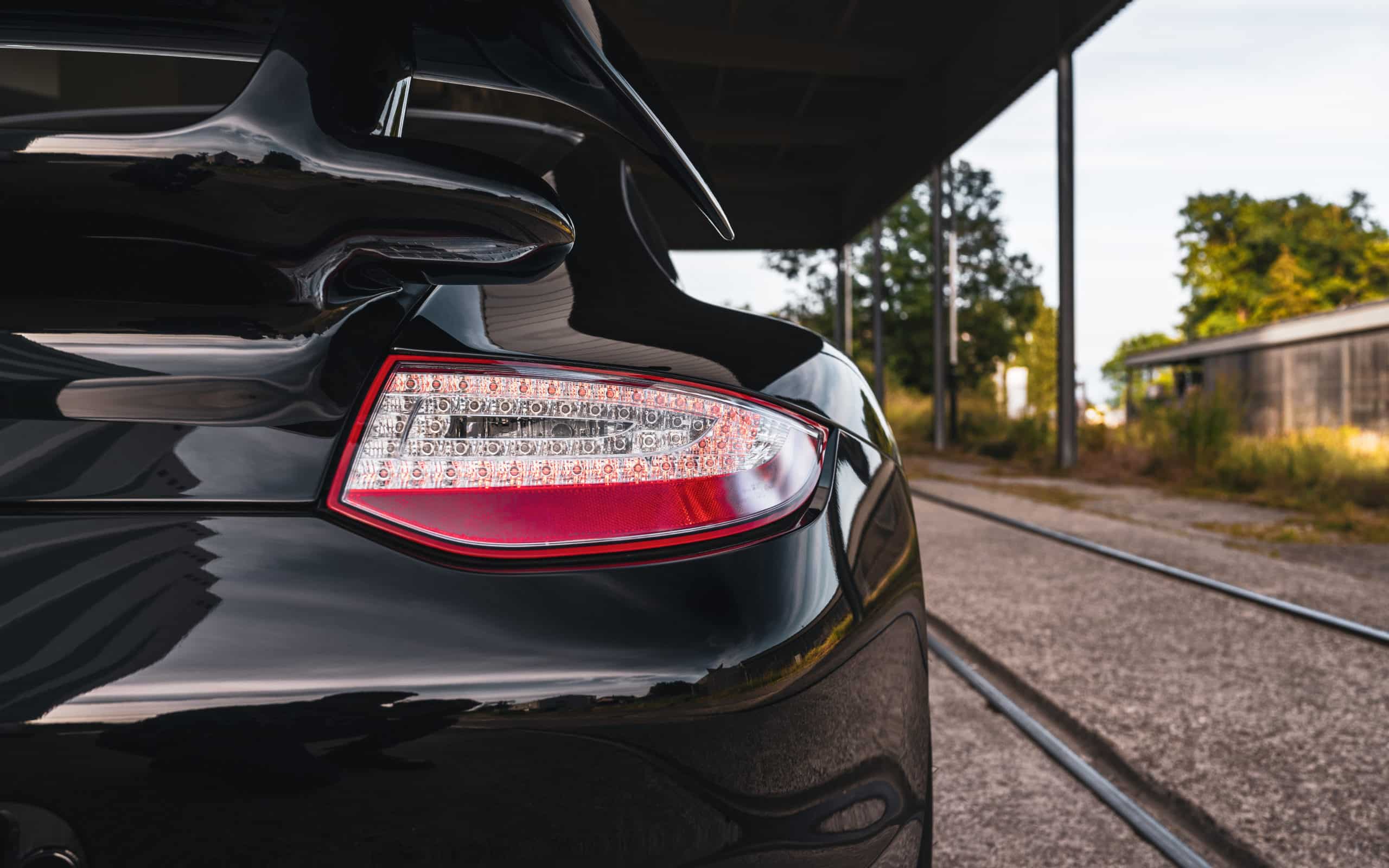
Look at the GT2 RS for more than three seconds and the message becomes obvious. This is not a 911 in an expensive jacket. This is a 911 that has been dragged into the gym, starved, sharpened, and taught to throw punches. The broader body, aggressive air intakes, lightweight panels, dramatic rear wing, and stripped intent all serve the same purpose: cooling, downforce, stability, and speed.
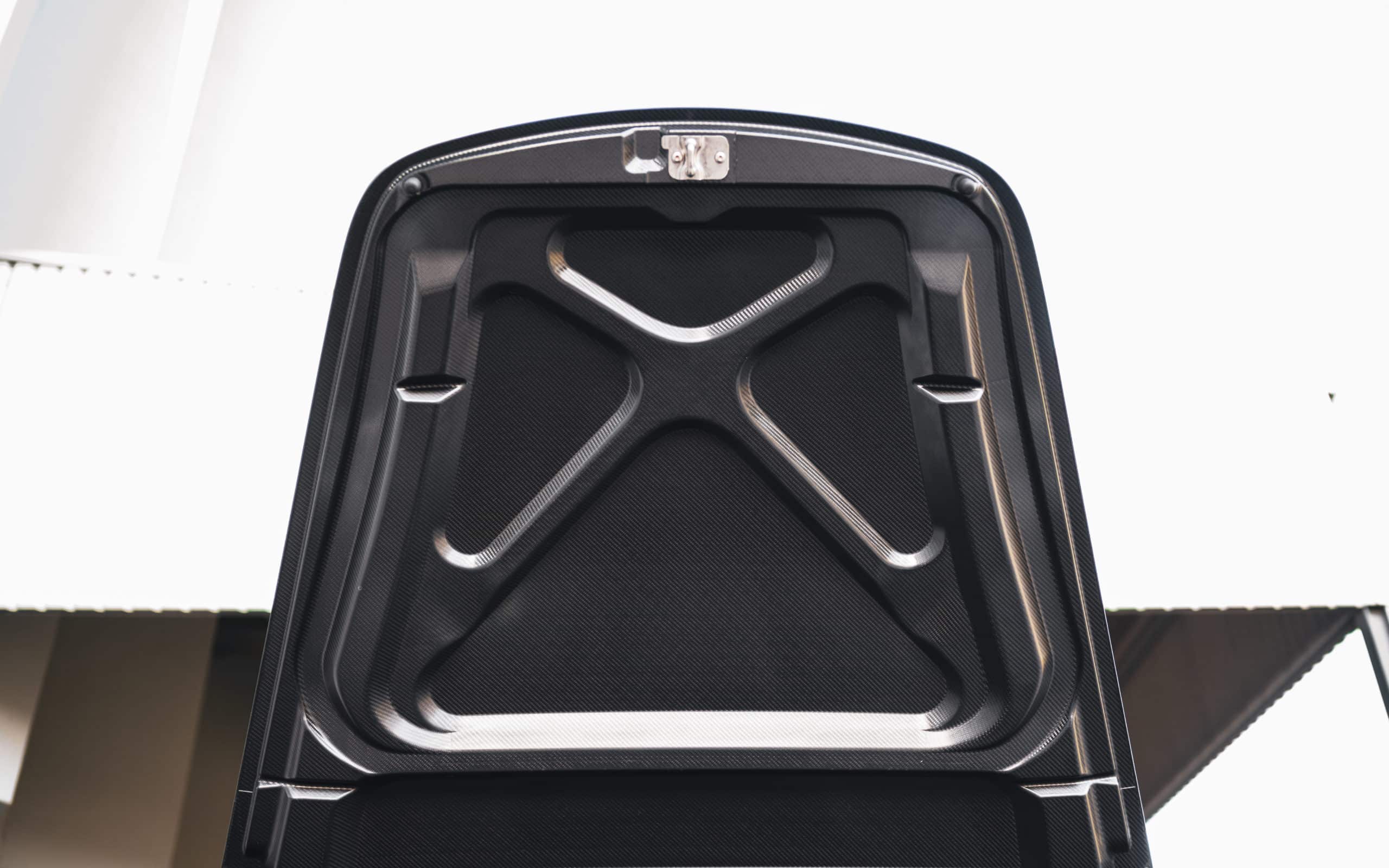
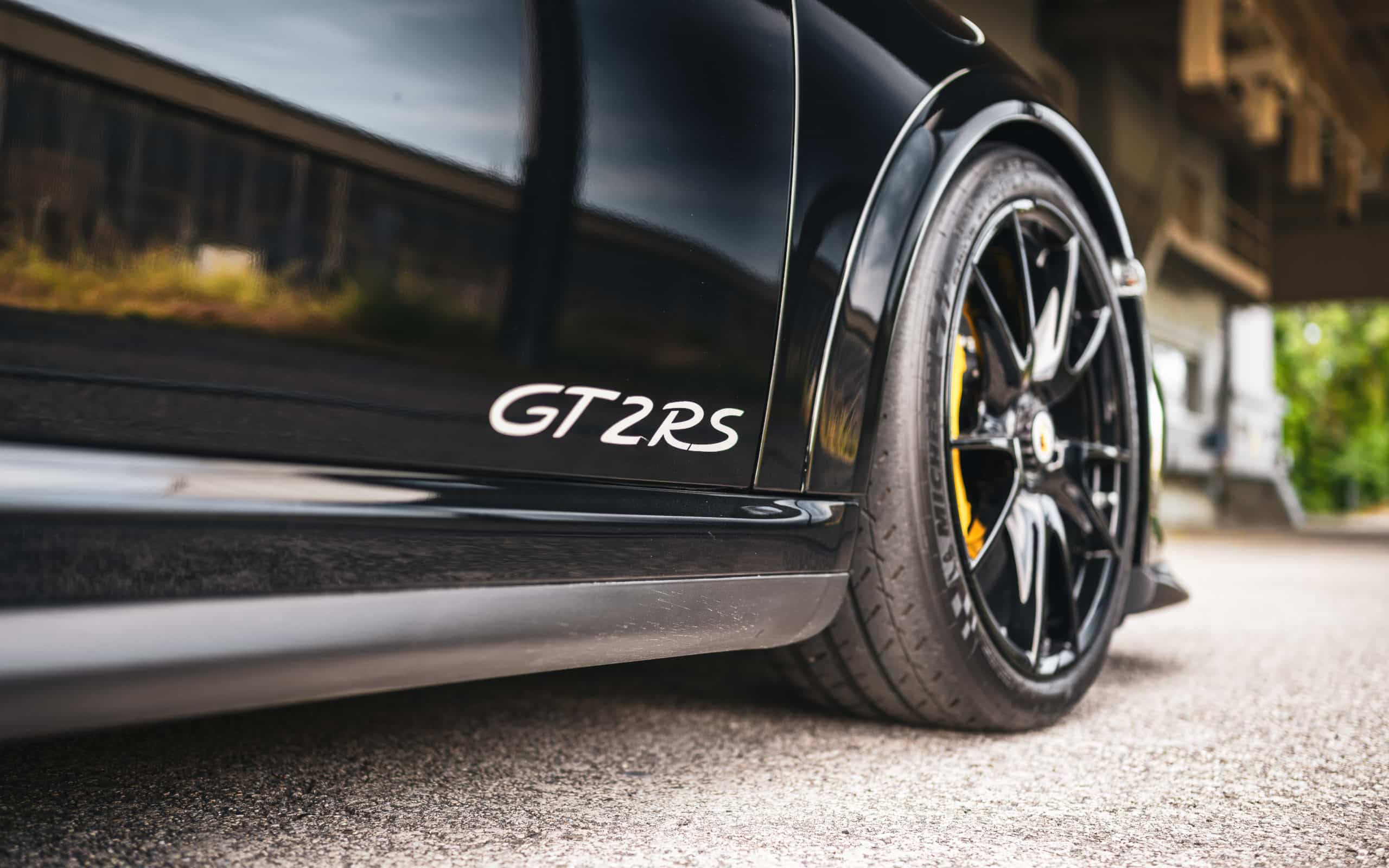
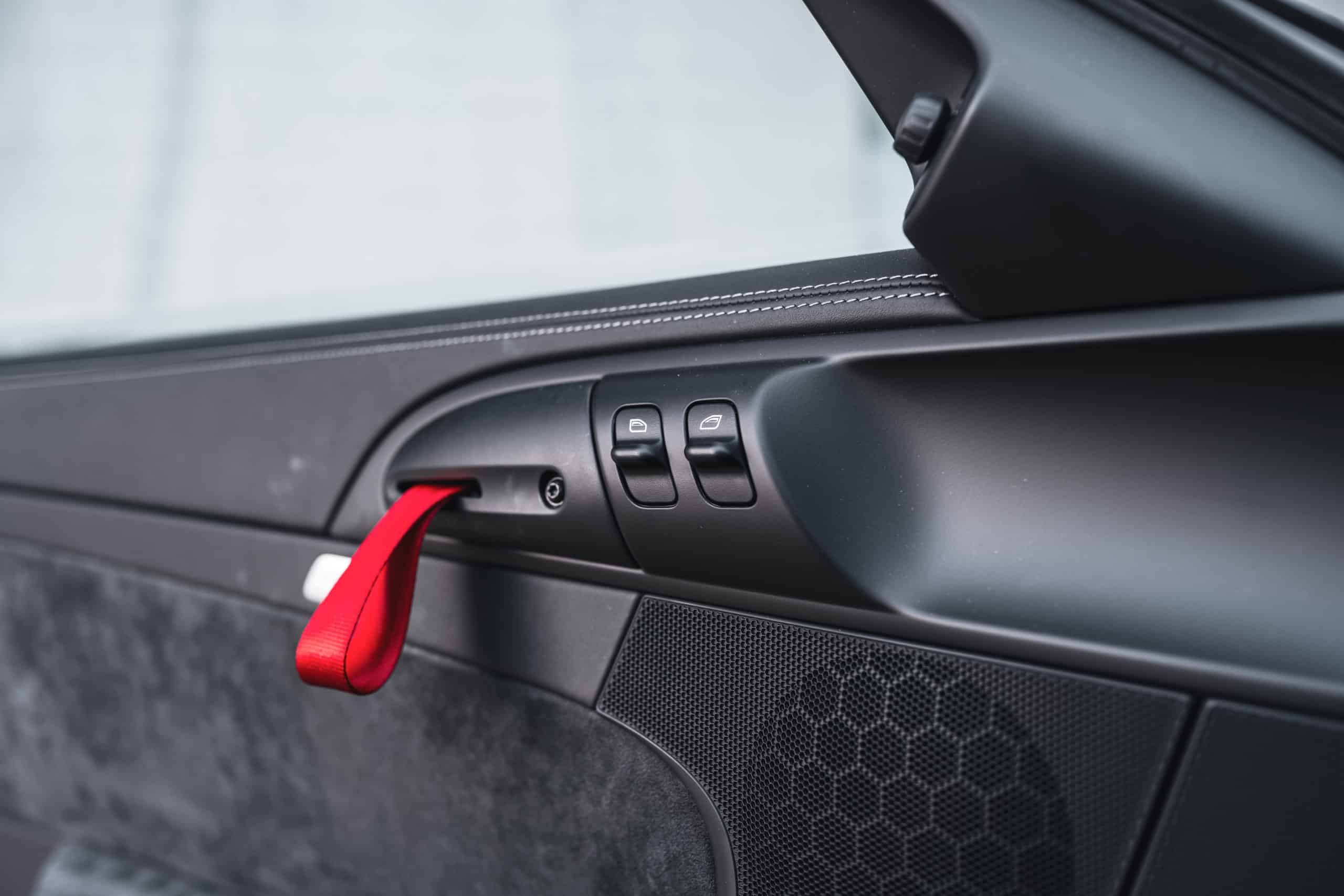
Porsche reduced weight through the use of CFRP components, a plastic rear window, and other lightweight measures, helping the GT2 RS achieve an extraordinary power to weight ratio for its time. It was offered only in a tightly controlled specification, reinforcing the sense that this was less a luxury object and more a factory sanctioned act of lunacy. The available exterior colours included Guards Red, Carrera White, GT Silver, and Black, with Silver or Gold rims.
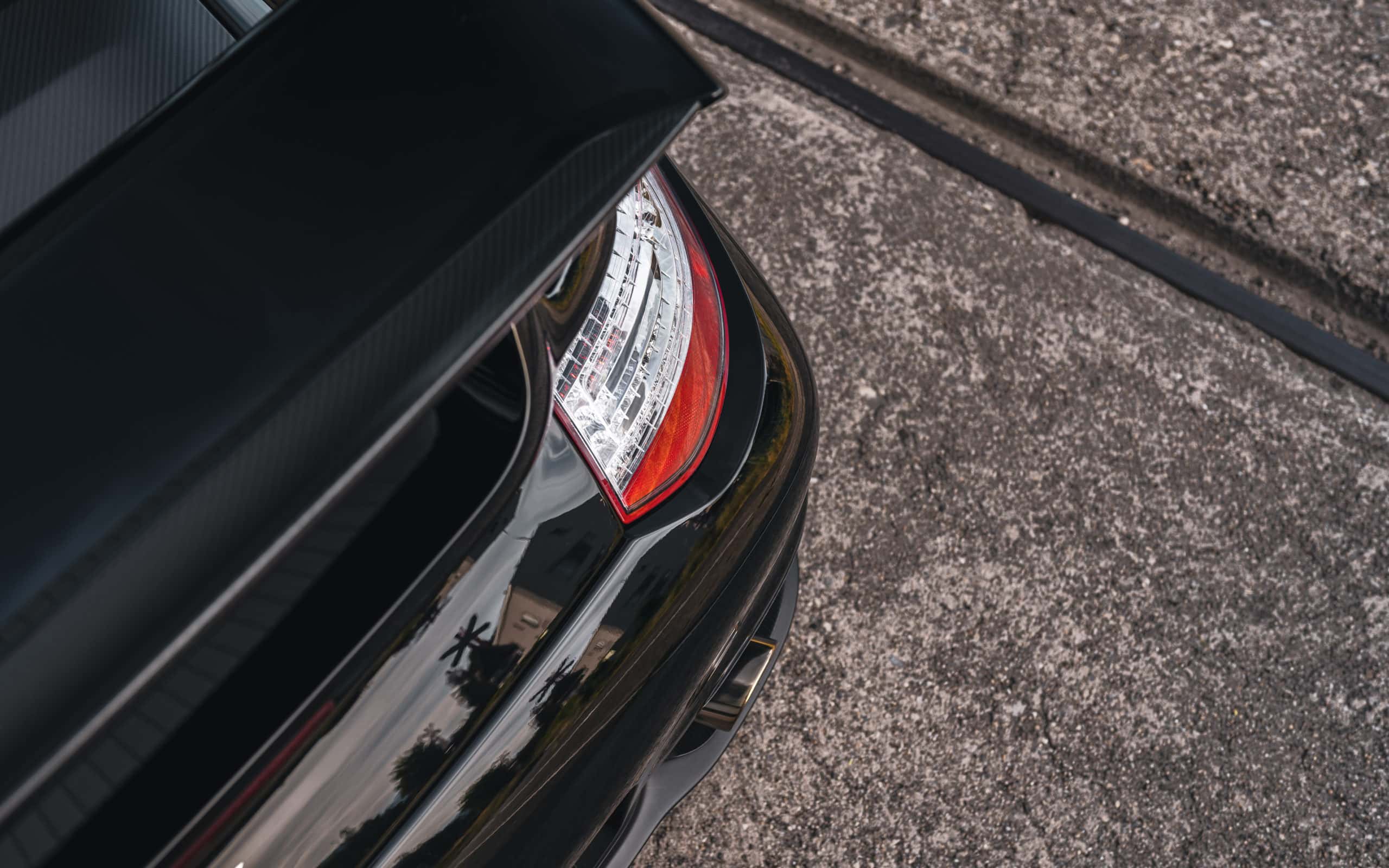
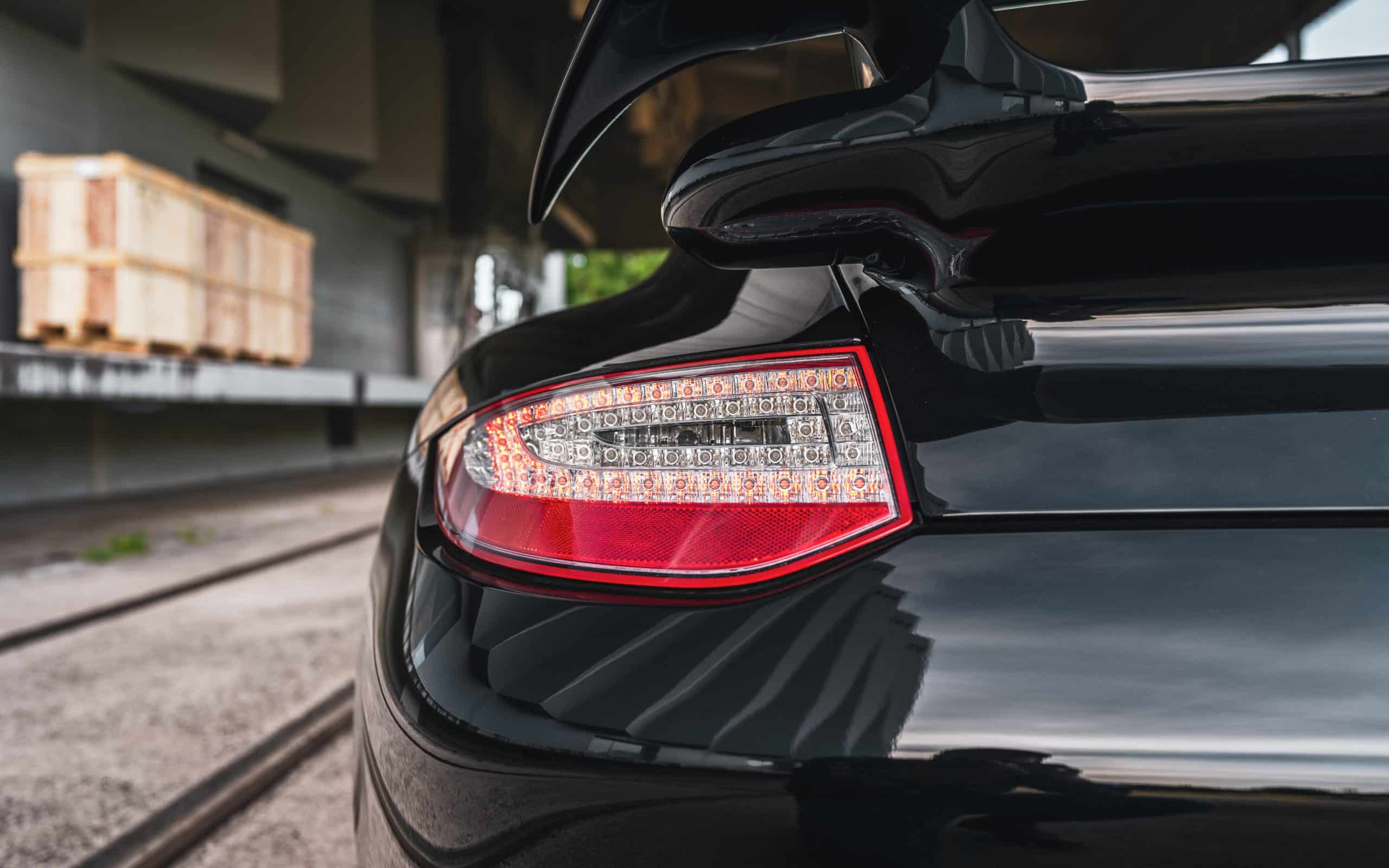
And that is the charm of the GT2 RS. It does not try to be subtle. It does not whisper about performance. It arrives wearing a rear wing the size of a household appliance and looks ready to start an argument with the horizon.
GT2 RS engine and performance: turbocharged violence
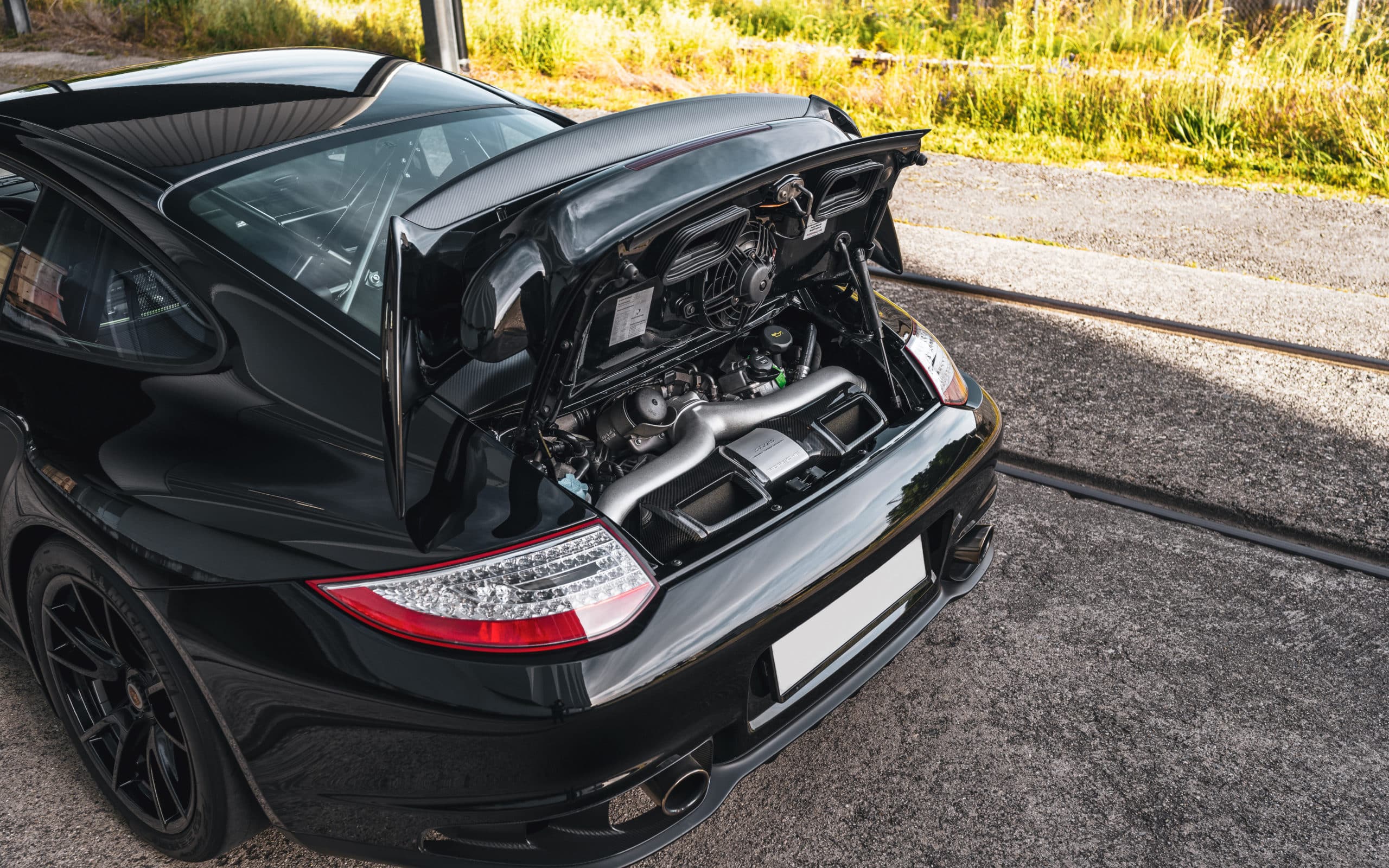
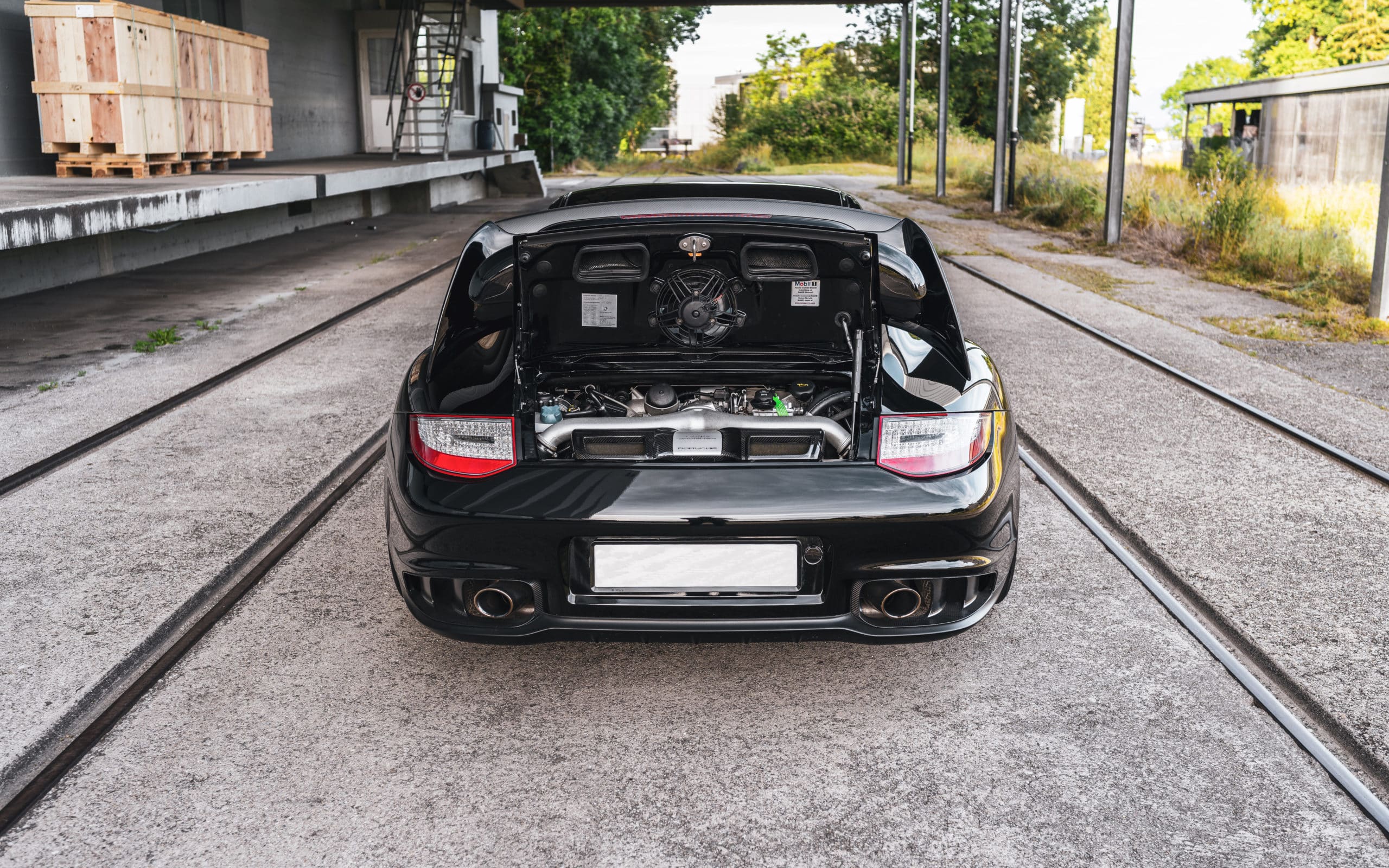
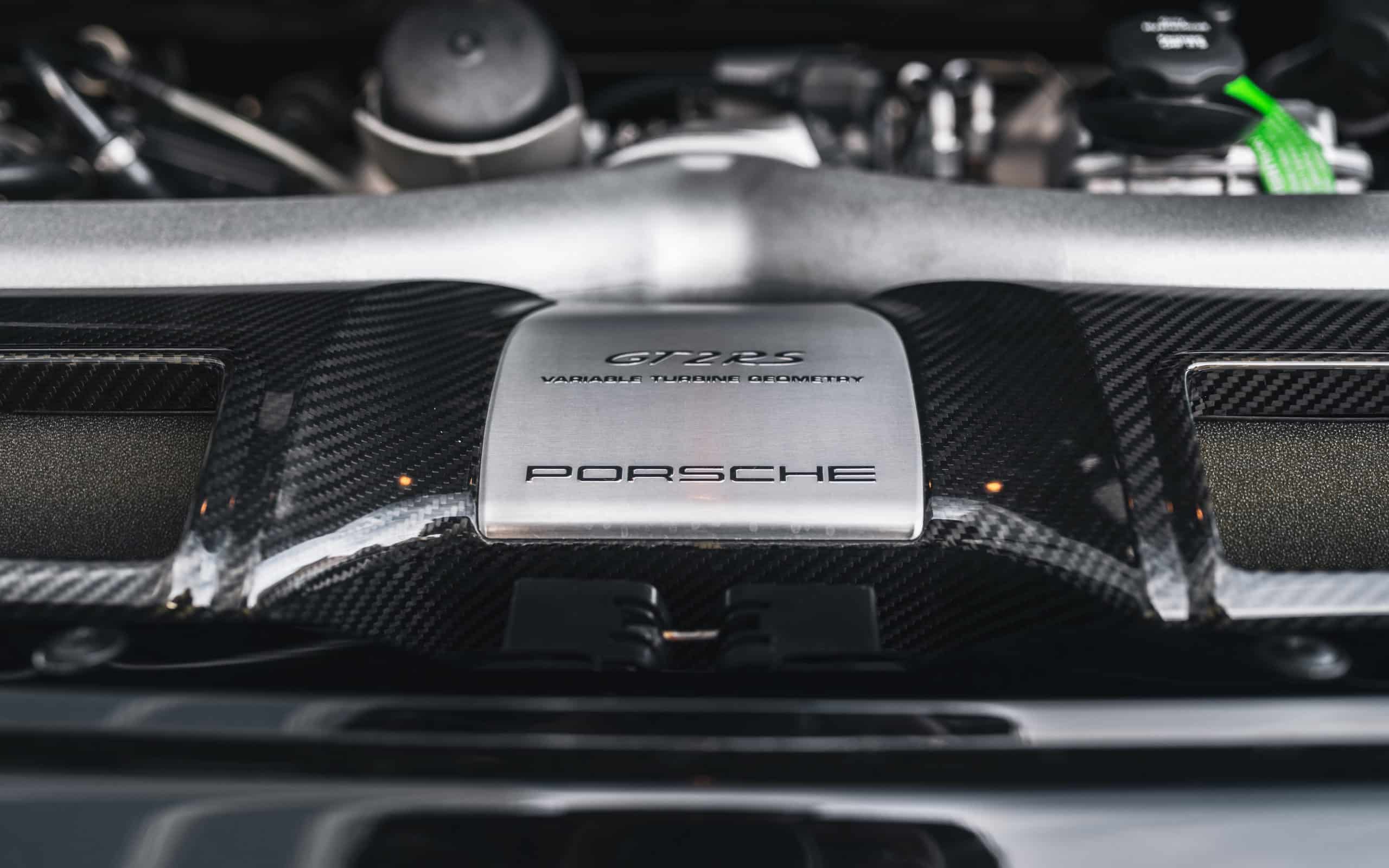
At the heart of the GT2 RS is a 3.6 litre twin turbocharged flat six producing 620 PS. Porsche extracted 90 PS more than the standard 911 GT2 and paired that increase with a 70 kg weight reduction. The result was a road car with the kind of power delivery that feels less like acceleration and more like a geological event.
Peak torque stood at 700 Nm, which in a rear wheel drive 911 is exactly as sensible as putting a flamethrower in a violin case. Yet Porsche made it work because Weissach has always understood a simple truth: numbers matter, but calibration matters more. The GT2 RS was not some clumsy brute. It had precision. It had traction, provided your inputs were clean and your ambition had not exceeded your talent by several tax brackets.
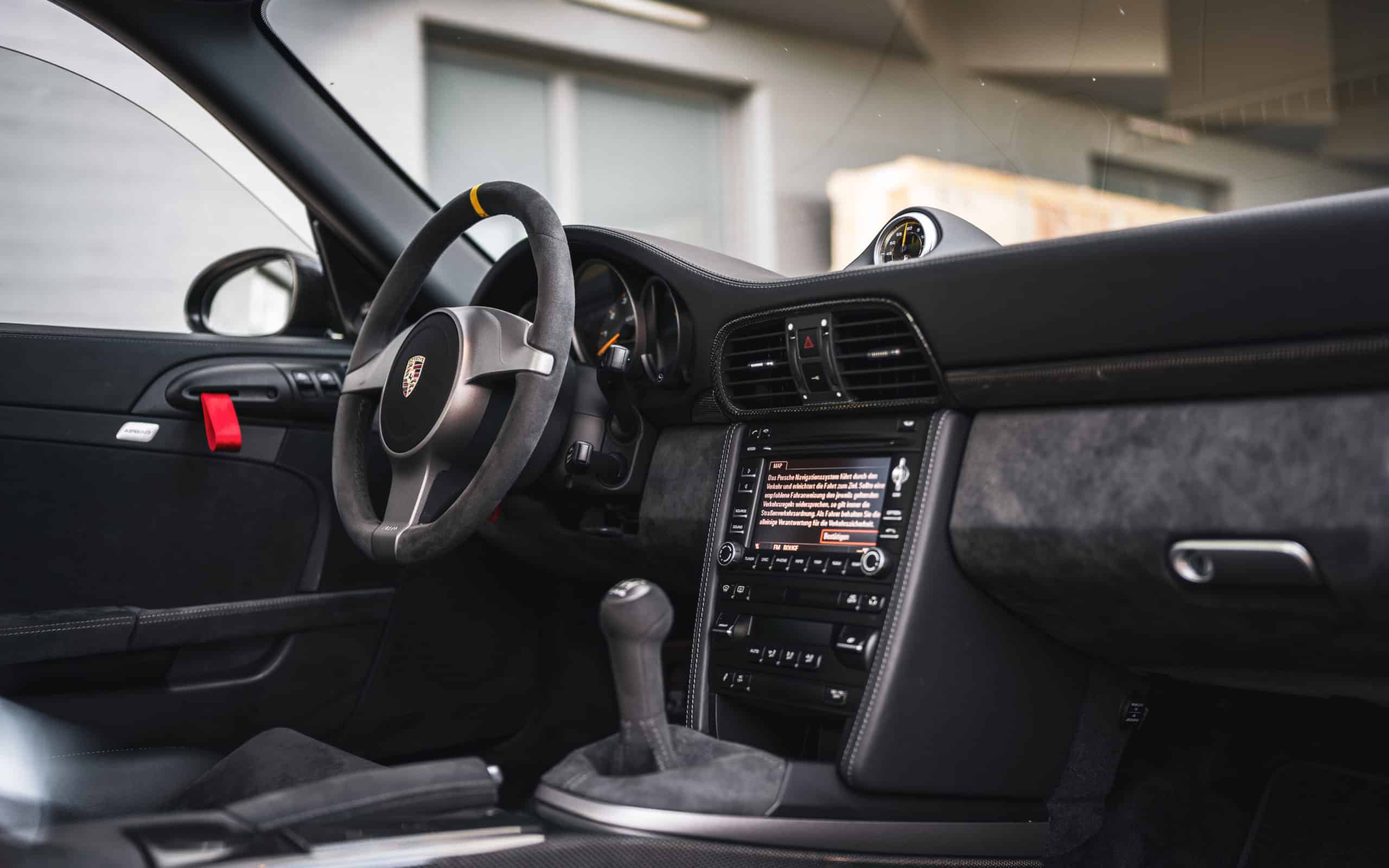
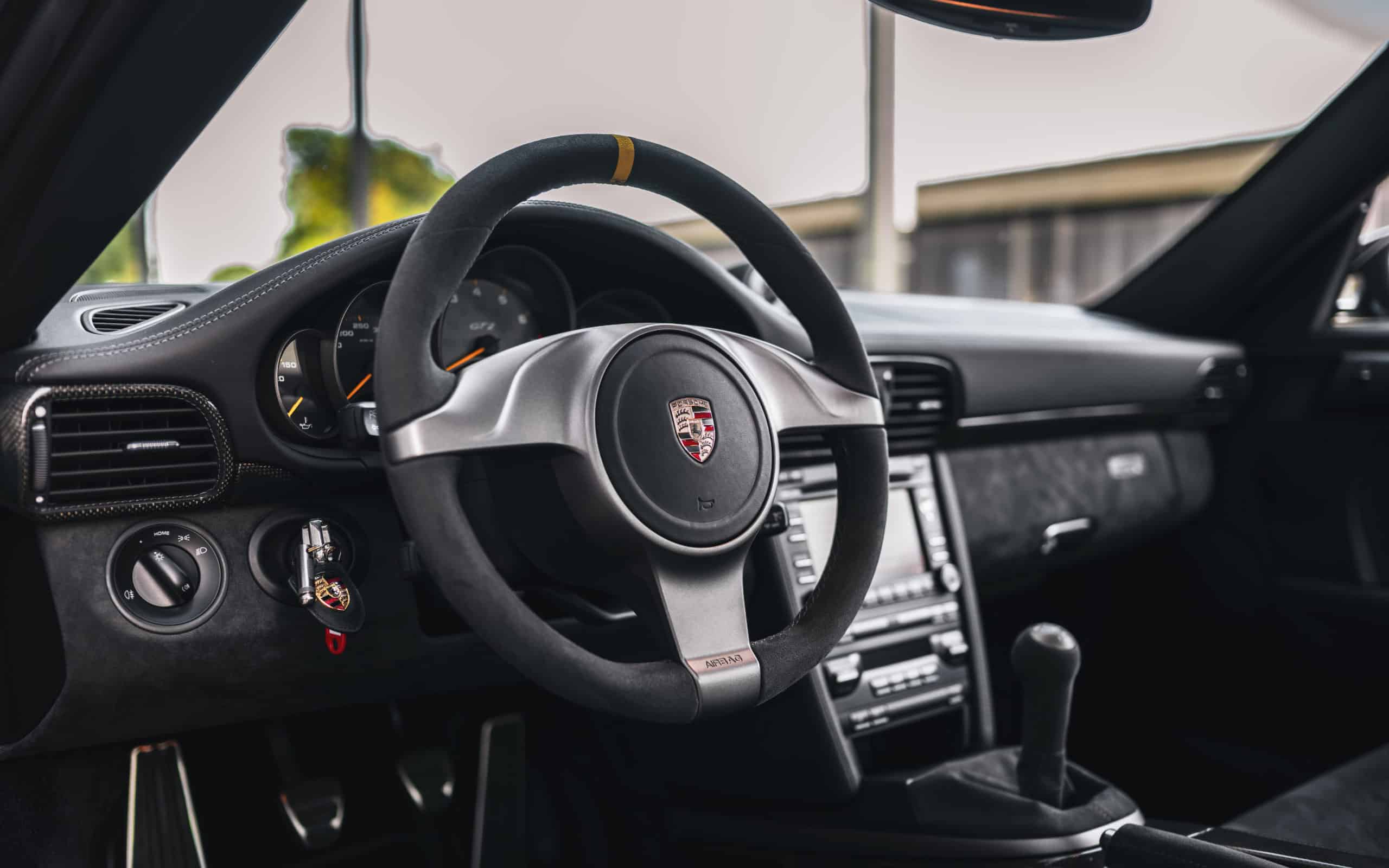
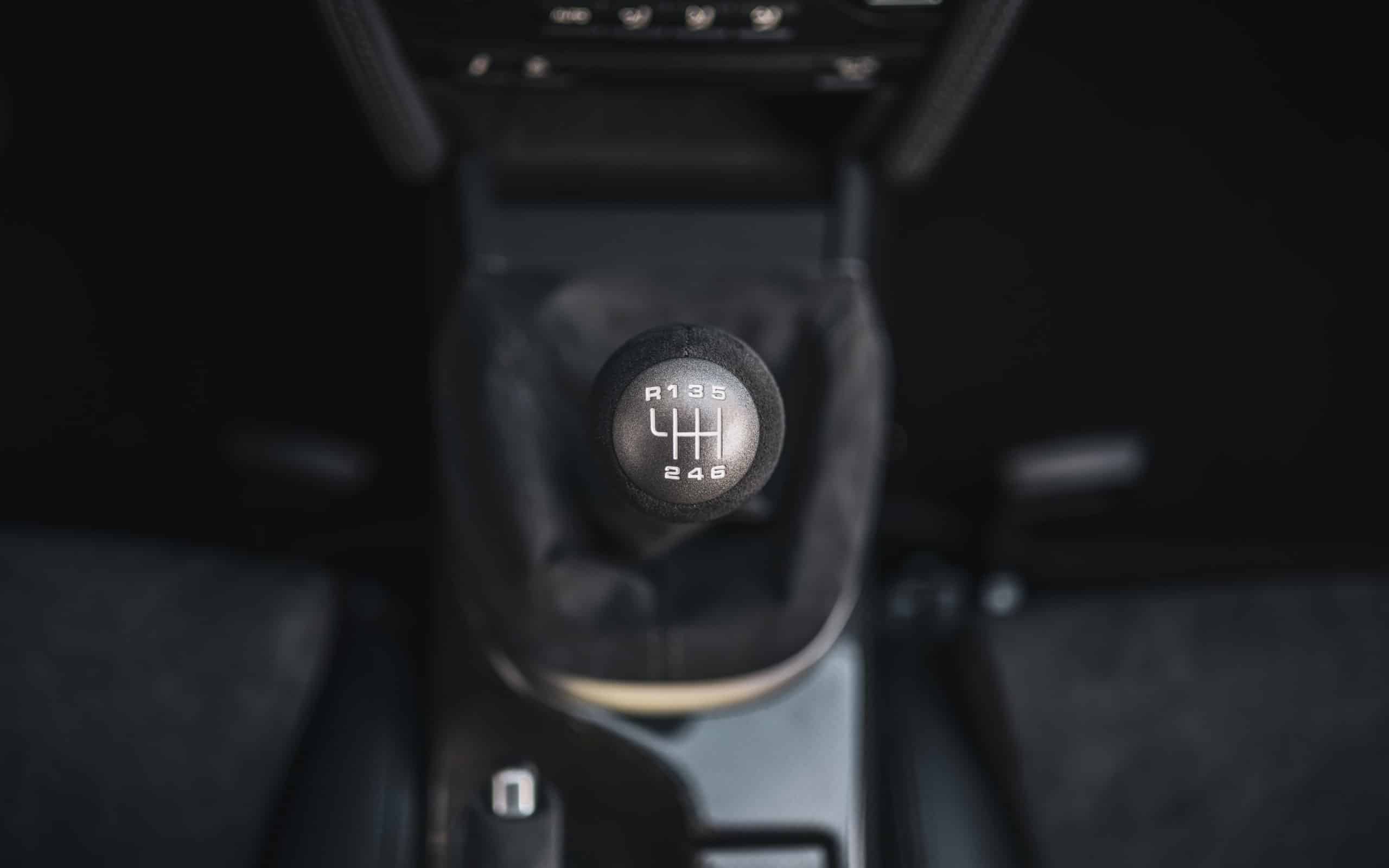
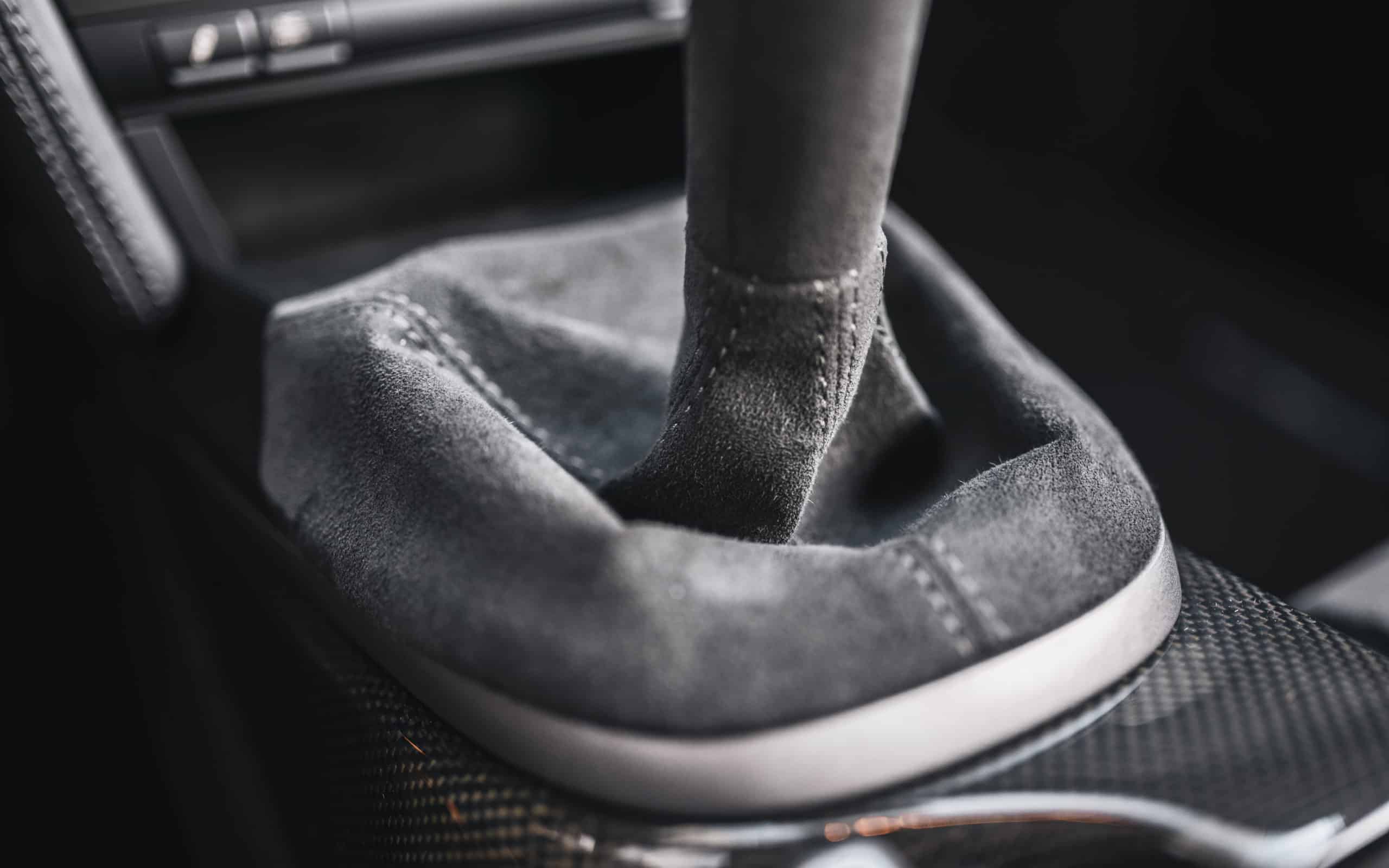
The standard gearbox was a six speed manual. No paddles. No excuses. No electronic theatrical nonsense pretending to be involvement. In the GT2 RS, every gear change matters, every throttle input matters, and every corner exit is a conversation between confidence and consequences. That is why collectors adore it and why drivers still speak about it with a mixture of reverence and mild trauma.
The GT2 RS on the road
Driving a GT2 RS is not like driving a normal high performance car. Most modern supercars flatter. They tell you that you are a hero even when you are mostly along for the ride. The GT2 RS does the opposite. It exposes hesitation. It punishes greed. It rewards discipline. It is a machine that asks whether you actually know what you are doing, then waits for your answer with 620 PS in reserve.
And yet, this is where the brilliance lies. Beneath the menace, the GT2 RS is still a Porsche. The steering is alive. The front end bites with conviction. The chassis communicates. The brakes are monumental. There is engineering discipline beneath the theatre. This is not chaos. It is highly organised aggression.
That is why the 997 GT2 RS has become such a landmark. It is one of the few cars that genuinely feels alive at every speed. It crackles with intent. It never feels remote. It never feels filtered. It is a physical, noisy, demanding thing. You do not merely operate it. You wrestle with it.
Why collectors chase the GT2 RS
The collector appeal of the GT2 RS is brutally obvious. Limited to 500 units, manual only, rear wheel drive, deeply connected to the analogue side of Porsche GT history, and positioned at the top of the 997 performance hierarchy, it is exactly the sort of car the market tends to worship once the world has moved on to quieter and safer machinery.
It is also one of the last Porsche halo cars to combine truly old school fear factor with modern enough engineering to be usable. That matters. The GT2 RS occupies the sweet spot between classic and contemporary. It is modern enough to be devastatingly quick, but analogue enough to make every drive feel like an event.
For Drive Vintage, that is precisely where the magic lives. Cars like the GT2 RS are not interesting because they are expensive or rare. They are interesting because they still have teeth.
The GT2 RS legacy
Today, the later generations of GT2 RS are faster on paper. Of course they are. Everything is faster now. But speed alone is not the whole story. The 997 GT2 RS remains special because it captured the last flash of an older philosophy: immense power, minimal compromise, and complete faith in the driver’s ability to either rise to the challenge or make a terrible mistake.
That is what gives the 2011 GT2 RS its aura. It is not merely a fast 911. It is one of the definitive modern Porsches. It represents the moment when the 911 stopped being merely brilliant and became faintly unhinged.
And that, frankly, is why people still want it.
The GT2 RS is not polite. It is not democratic. It is not interested in being your friend. It is the automotive equivalent of a final warning written in capital letters. And in a world of increasingly sanitised speed, that makes it one of the most desirable road cars Porsche has ever built.


SPECIFICATIONS
NUMBER PRODUCED
500
DATE OF DELIVERY
2010-2011
CHASSIS TYPE
Type 997 rear engine, rear wheel drive coupe
LENGTH
4,460 mm
WIDTH
1,852 mm
HEIGHT
1,285 mm
WEIGHT
1,370 kg
ENGINE
3.6 litre twin turbocharged flat six
POWER
620 PS
TORQUE
700 Nm
0-60 MPH
3.4 sec
TOP SPEED
330 km/h


GALLERY